
Style
DIVERSITY IN FASHION
The fashion industry is notorious for employing, in front of and behind the camera, only people who conform to the European ideal of beauty, and for excluding all other cultures. Awareness of these issues is changing, however, and with it the fashion industry is being forced to change too – and it is high time. A critical commentary by our fashion expert Alessandra Frank.
Text Alessandra Frank Photos Greg Kessler, Curtesy of Stella Jean, David Prutting, Rick Gebhardt, Dan Lecca
EXCLUSIVE WHITE
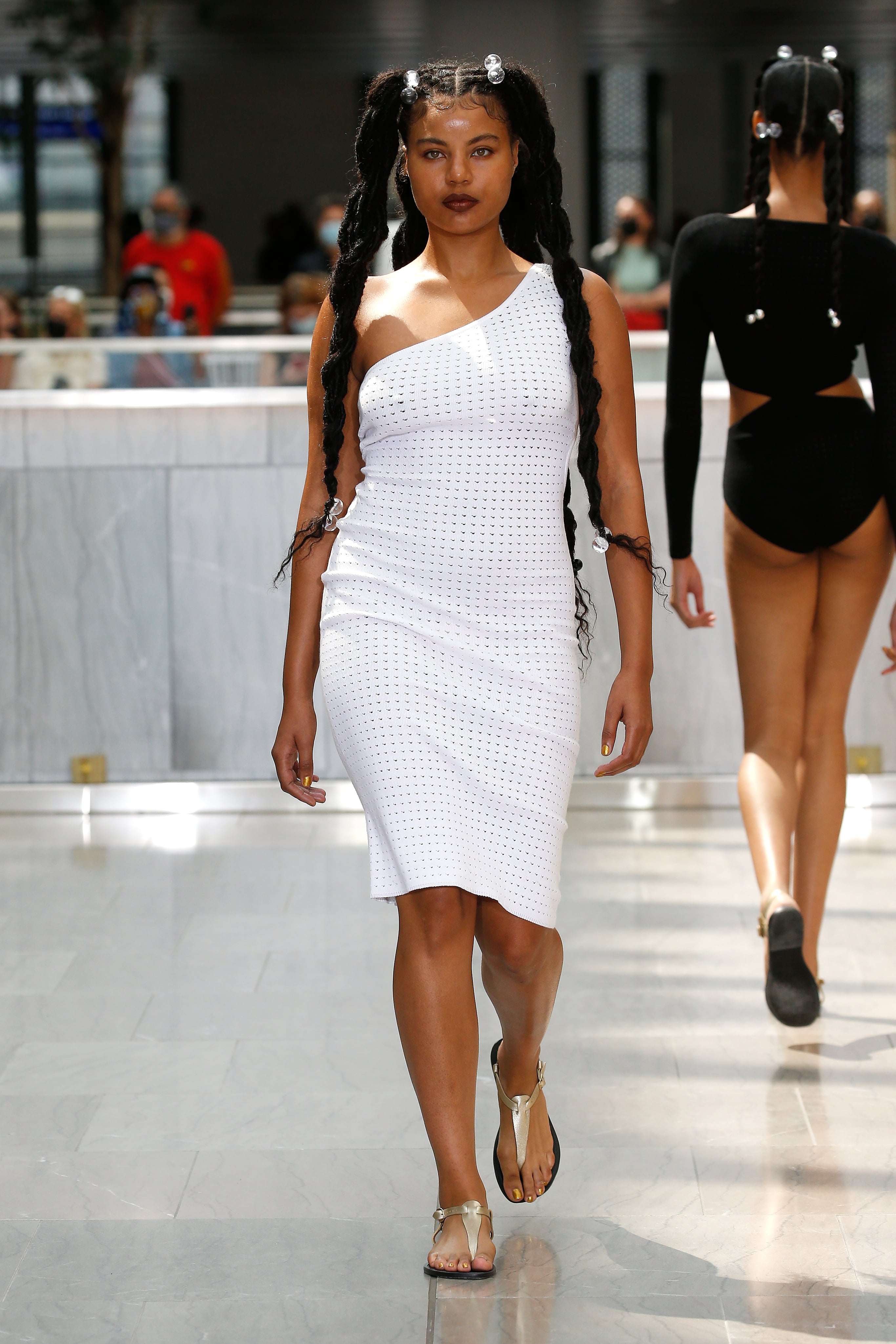
Fashion is a dynamic, highly exciting industry that employs millions of people around the world and attracts many aspiring, motivated and creative artists. But certain groups of highly talented individuals, especially people who do not match the Eurocentric ideal of beauty – fair-skinned, very thin, very young – have great difficulty gaining a foothold in the industry. They are excluded, consciously or unconsciously, but in effect with shocking consistency. This substantial under-representation begins at fashion schools or internships and runs through every level of the hierarchy up to the most important positions of influence and leadership. For decades, this very European ideal of beauty dominated the fashion industry and influenced the images fashion brands use to advertise their products. Whether in fashion shoots, magazines or on advertising posters: the face of the fashion industry was notoriously and almost exclusively white. There was hardly any room for diversity, whether in front of or behind the camera. People of colour, plus-size and older models or those with disabilities were rarely if ever seen on catwalks, and certainly not in decision-making positions.
WILL FASHION EVER LEARN?
On top of this came racist advertising campaigns – with shocking regularity: from H&M to Prada, from Dolce & Gabbana to Gucci and Burberry, hardly any of the many global brands has managed not to be offensive, thoughtless, ignorant or discriminatory and racist. Fashion magazines also still need to become much more diverse: so far there have never been more than a small handful of Black editors-in-chief. In 2018, American Vogue commissioned a Black photographer for its cover for the first time in its now 130-year history. Of the 495 members of the important fashion trade association CFDA, only 15 are Black. Similarly few Black creatives are chief designers at one of the world’s largest fashion labels (Olivier Rousteing at the French label Balmain, and Virgil Abloh, who died last year, at Louis Vuitton Menswear). The countless other BIPOC designers, who of course exist and create wonderful collections, usually work for their own labels and are in the vast majority of cases passed over when a new position is to be filled at a global label.
After the murder of George Floyd in the USA, the Black Lives Matter movement triggered headlines and countless protests worldwide. As a result, an unprecedented and still growing awareness of diversity and social justice was set in motion, including in the fashion industry, otherwise known for closing its eyes and ears to social issues. Until now, companies could fend off unwanted attention with a short statement on social media or a widely publicised donation. Today, consumers demand not only evidence of serious, long-term commitment but also concrete figures on the composition of the workforce and proof that internal structures match public declarations.
MONEY TALKS
Many well-known brands are increasingly feeling the effects of a lack of diversity – in front of and behind the camera – in falling sales: boycotts and product recalls increasingly expose labels to criticism, especially on social media, leading to shitstorms. Gucci, for example, has already had to recall racist-looking products several times. After too many controversies, and under pressure not to lose a large part of its clientele, the brand launched a charitable fund with an annual budget of five million dollars, appointed a “Global Head of Diversity” and hired local and regional staff responsible exclusively for diversity. All this is happening because brands can less and less afford to insult, exclude or alienate their customers. Chanel and H&M have also taken initiatives in recent years to increase inclusivity in their own ranks. The luxury group Kering (whose portfolio includes Balenciaga, Gucci, Saint Laurent and Alexander McQueen, among others) has hired a dedicated “Chief Diversity, Inclusion and Talent Officer”.
Fashion cannot fulfil its role as an art form if it is not diverse and inclusive.
— Alessandra Frank
In all these cases, however, one does wonder why, at brands of this size and despite all the initiatives, it is apparently impossible for anyone to notice such a “faux pas” during the entire design and production process. Providing money and creating new positions is of little use if the brands learn nothing and continue to be offensive.
EVERYBODY’S BUSINESS
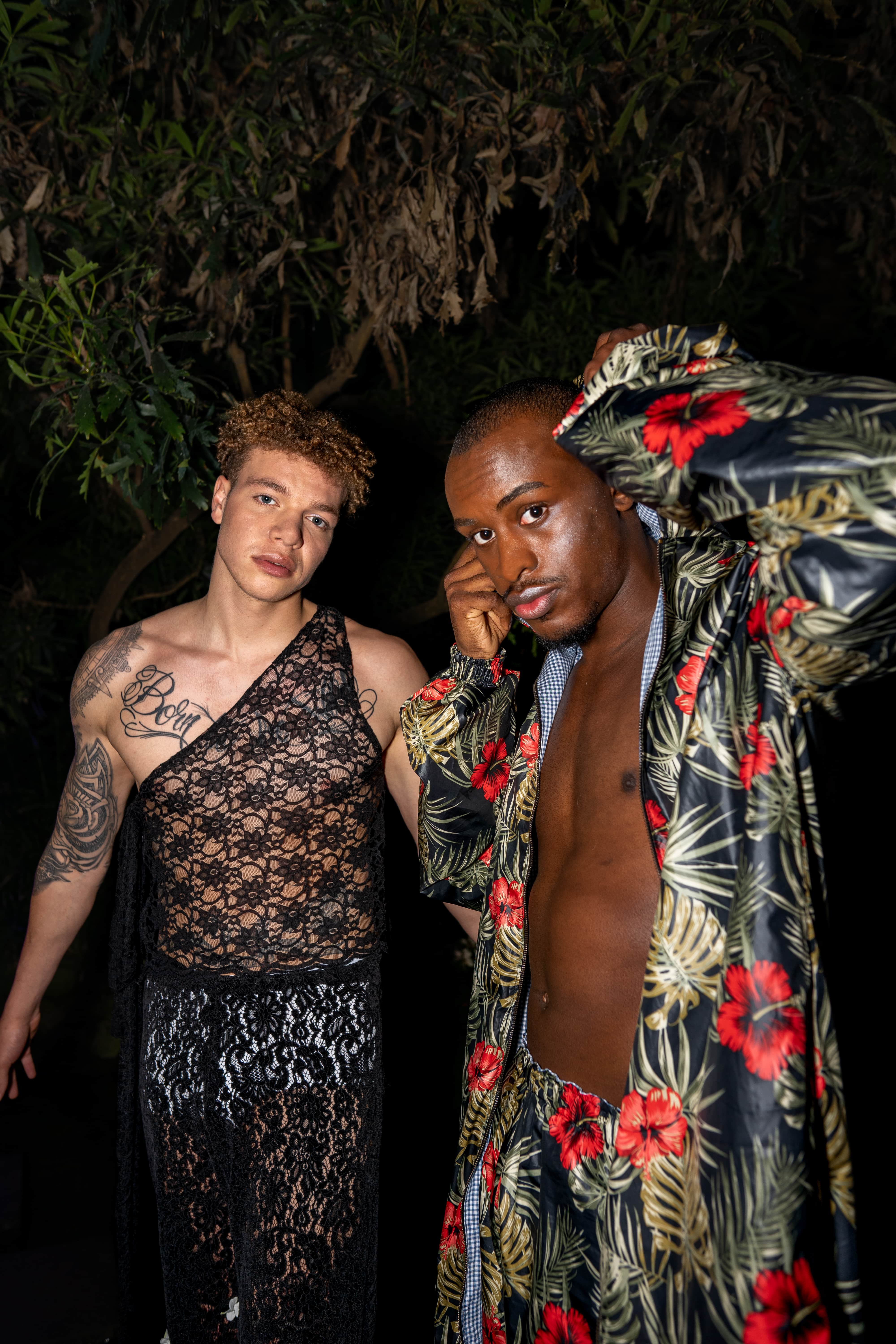
For the young Frankfurt designer Samuel Gärtner, for example, it is a matter of course to cast people of all skin colours, sizes and ages: “Fashion is for everyone, and everyone should feel it speaks to them. Unfortunately, society is very stuck in old-fashioned ideals of beauty, and I try to work against that and show the world that beauty has many facets.” But why should the fashion industry play a role in inclusion and diversity at all? Shouldn’t that rather be left to politicians and activists? The sector is one of the largest industries in the world; it is based on self-development, self-expression, creativity and the opportunity to live life to the full. Fashion doesn’t simply sell plain garments; it sells self-confidence, personal identity, a particular lifestyle and an image. So fashion cannot fulfil its role as an art form if it is not diverse and inclusive.
Moreover, every part of society, every industry and every sector must be part of the solution if there is to be real, tangible change. The fashion industry must welcome people who do not match the Eurocentric ideal; it must understand that not only are the times changing – at last! – but so is consumer behaviour.
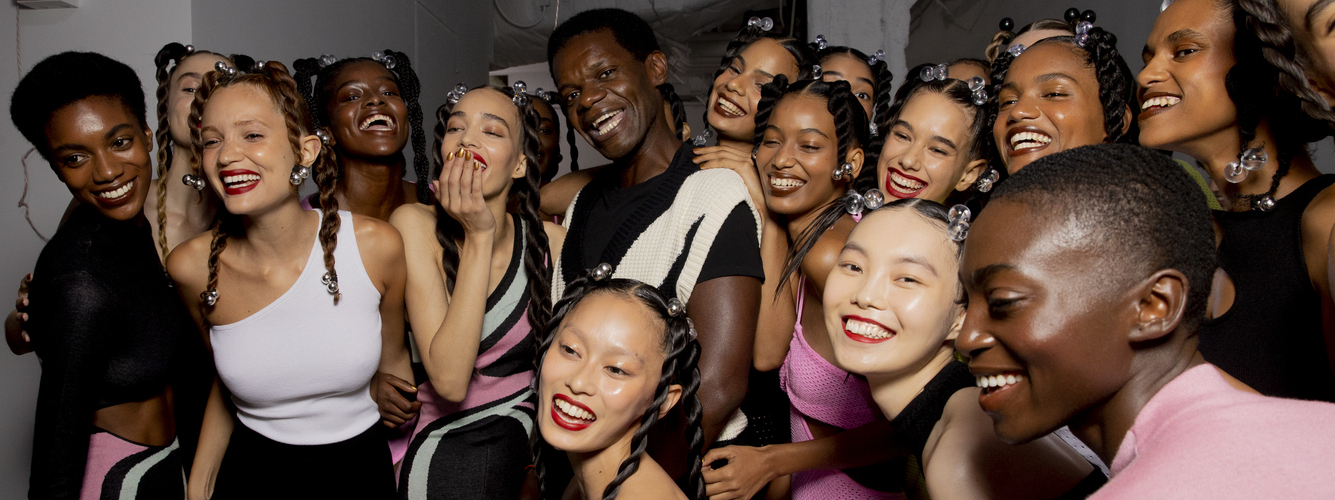
It is up to us which companies we give our money to, and this in turn can have a radical influence on who is hired, shown and represented. It is essential that diversity takes place not only in front of the camera and on the catwalks but also behind them – in professions with decision-making power and influence. Models may be part of a company’s image, and it is immensely important to see all people represented – but they have no input, no voice and no control over what a label produces and brings to market, or over who can make decisions for whom and against whom. Inclusivity therefore means hiring influential people from a wide range of backgrounds and giving them a voice and a chance.
THE REAL POWER OF SHOPPING
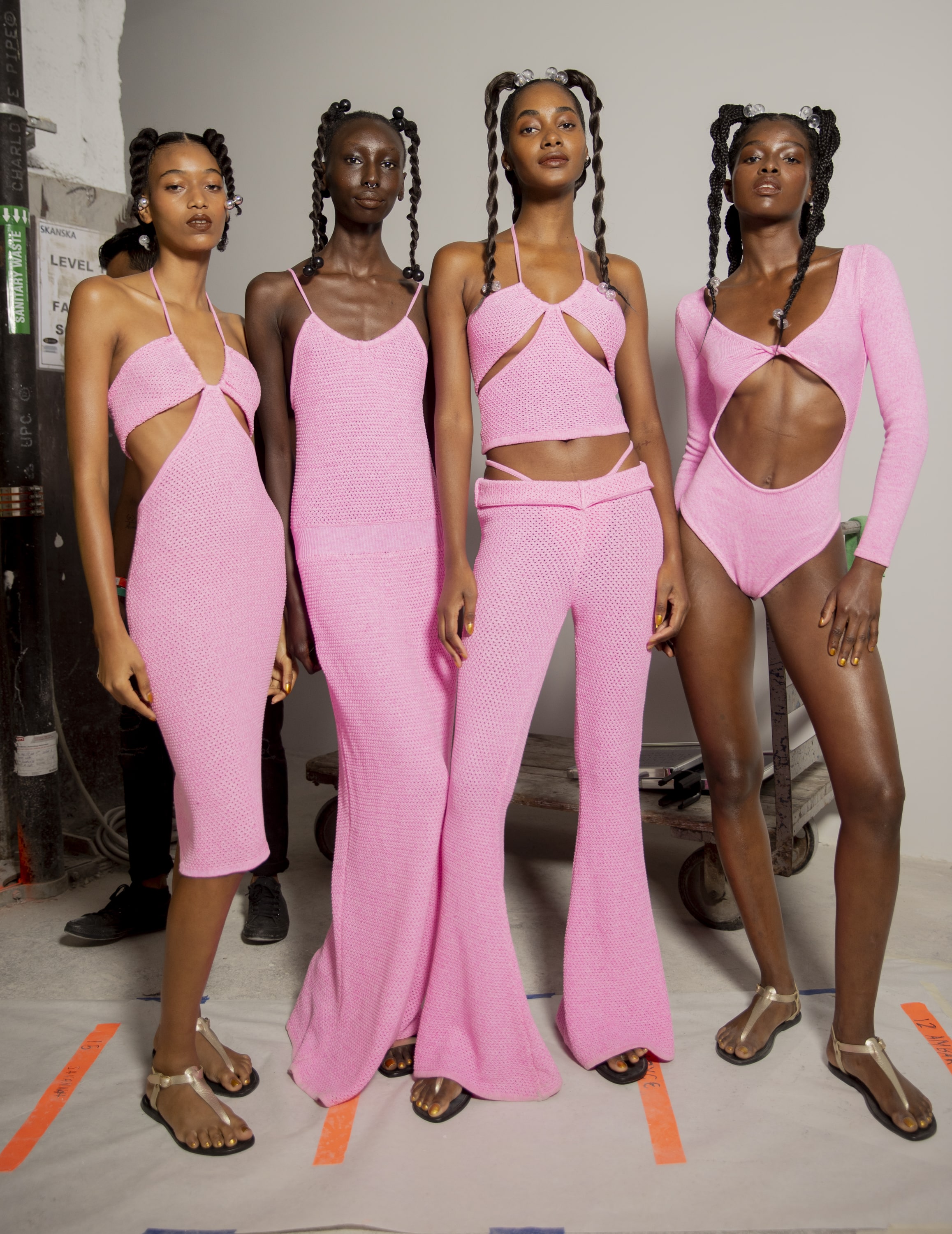
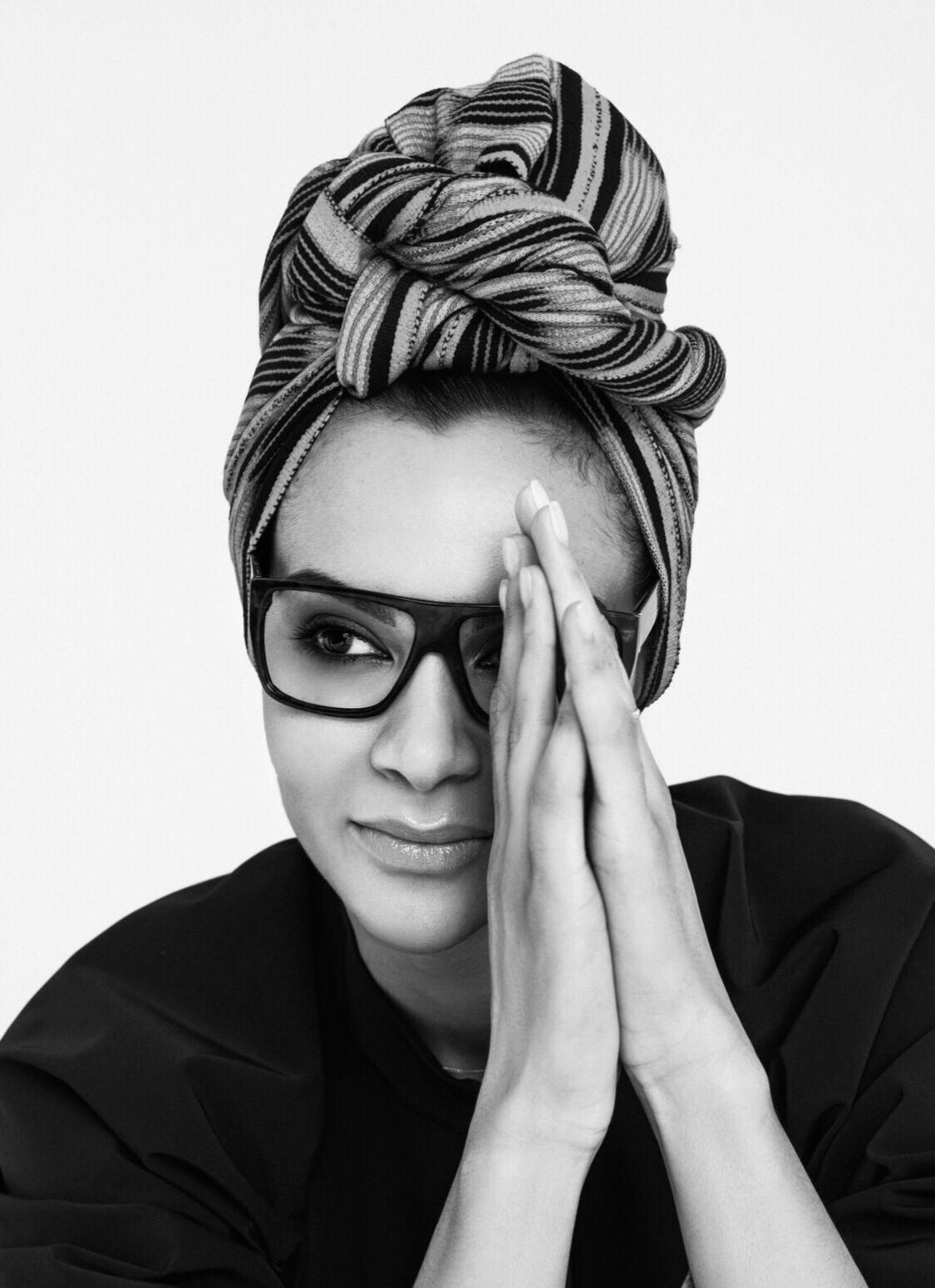
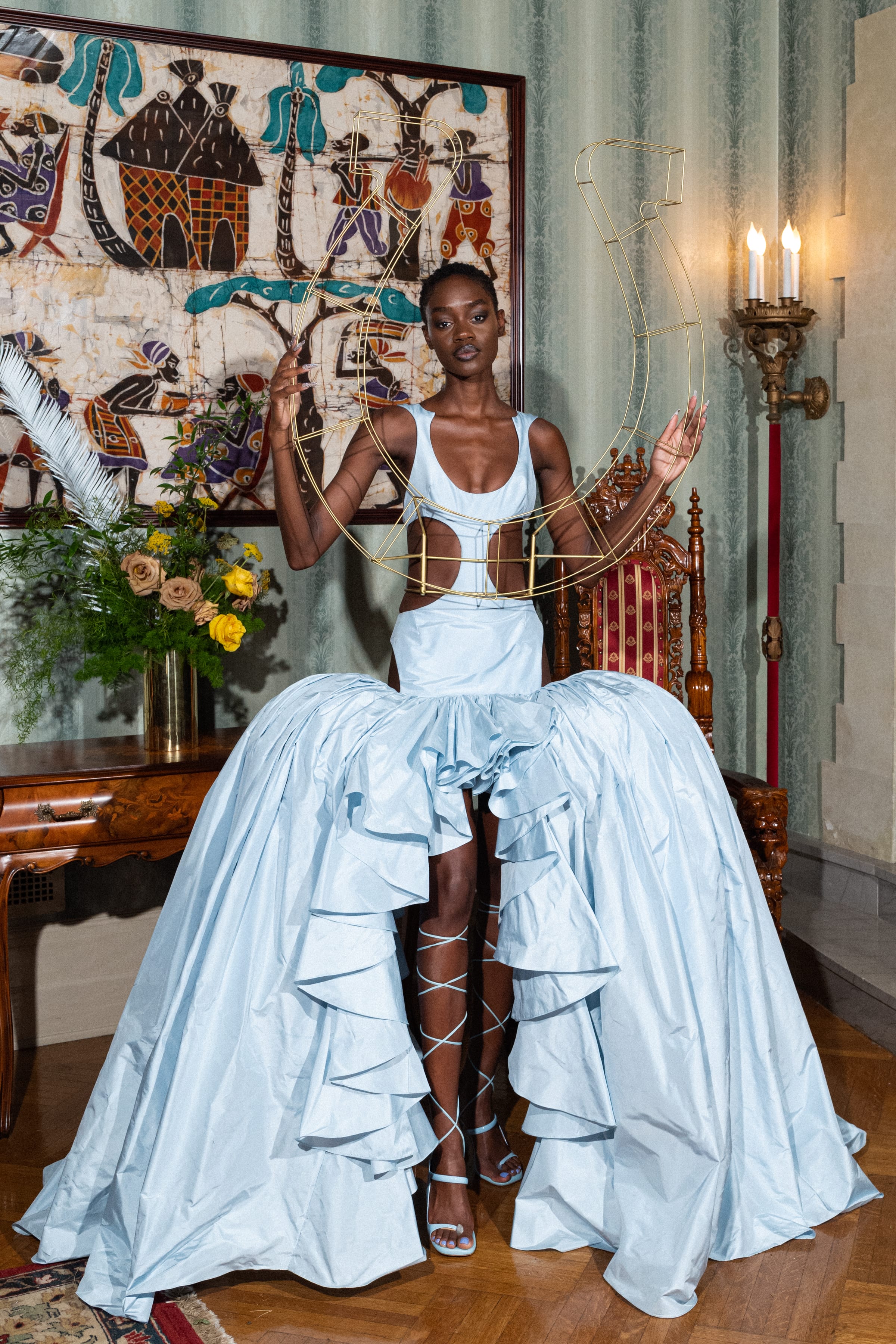
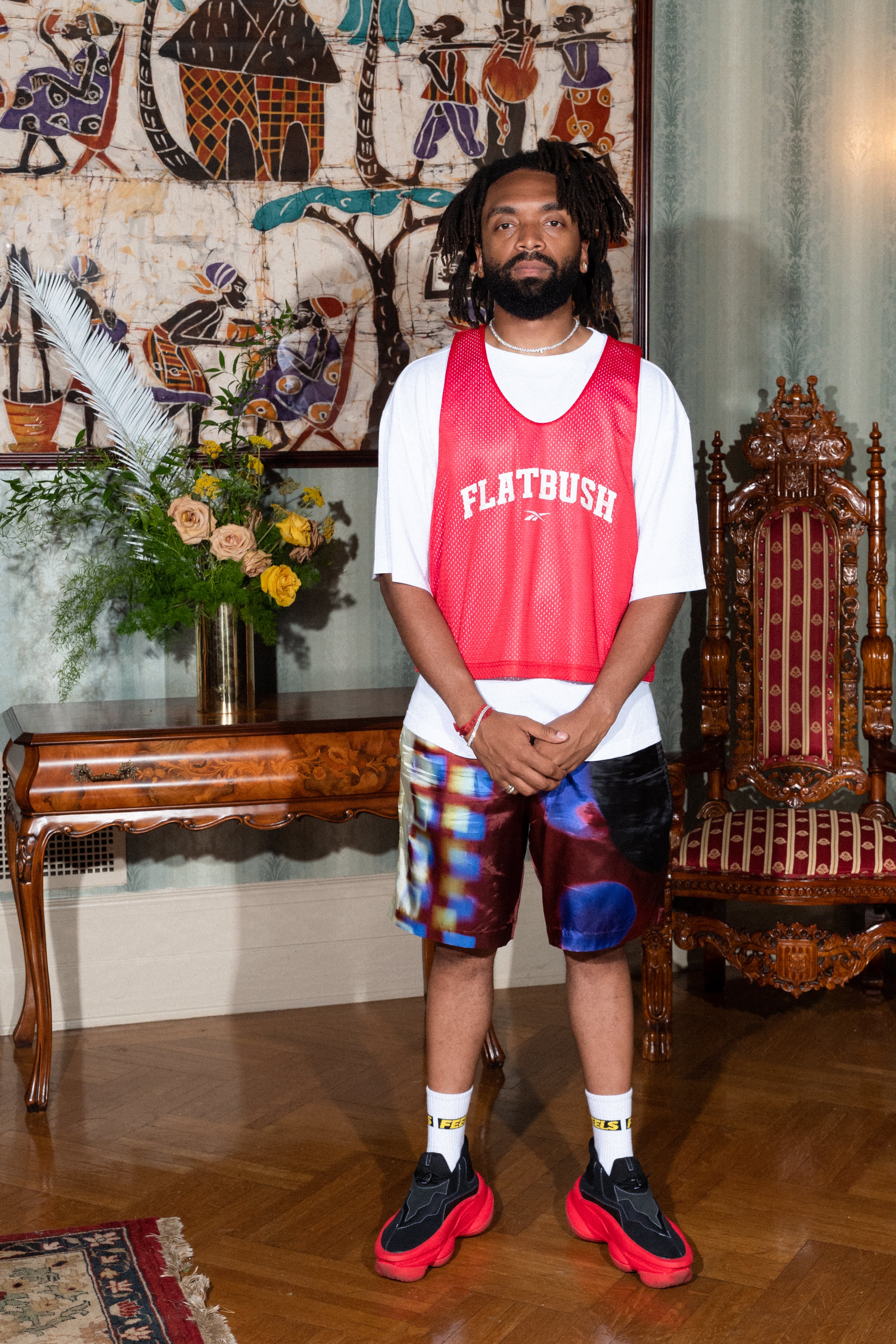
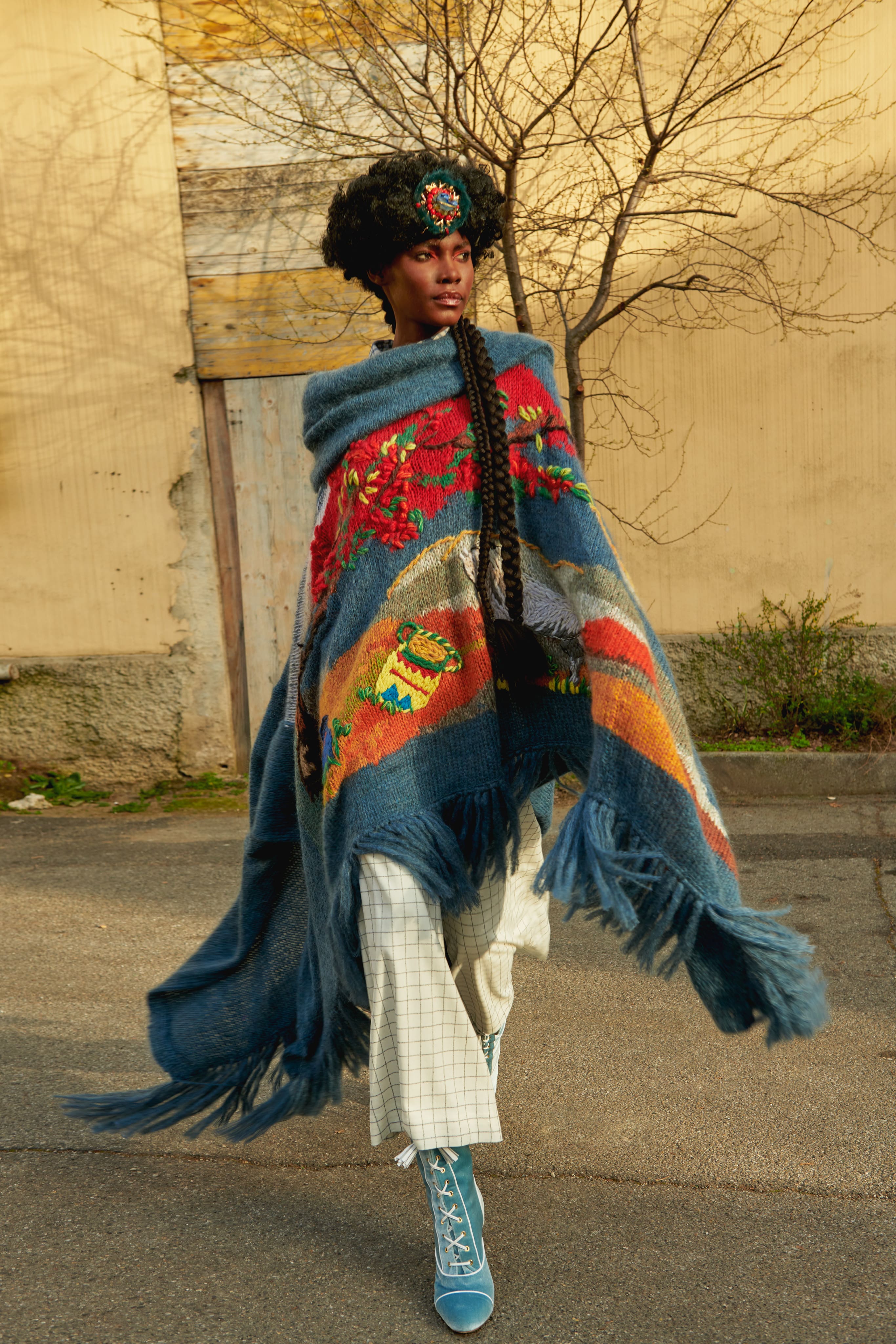
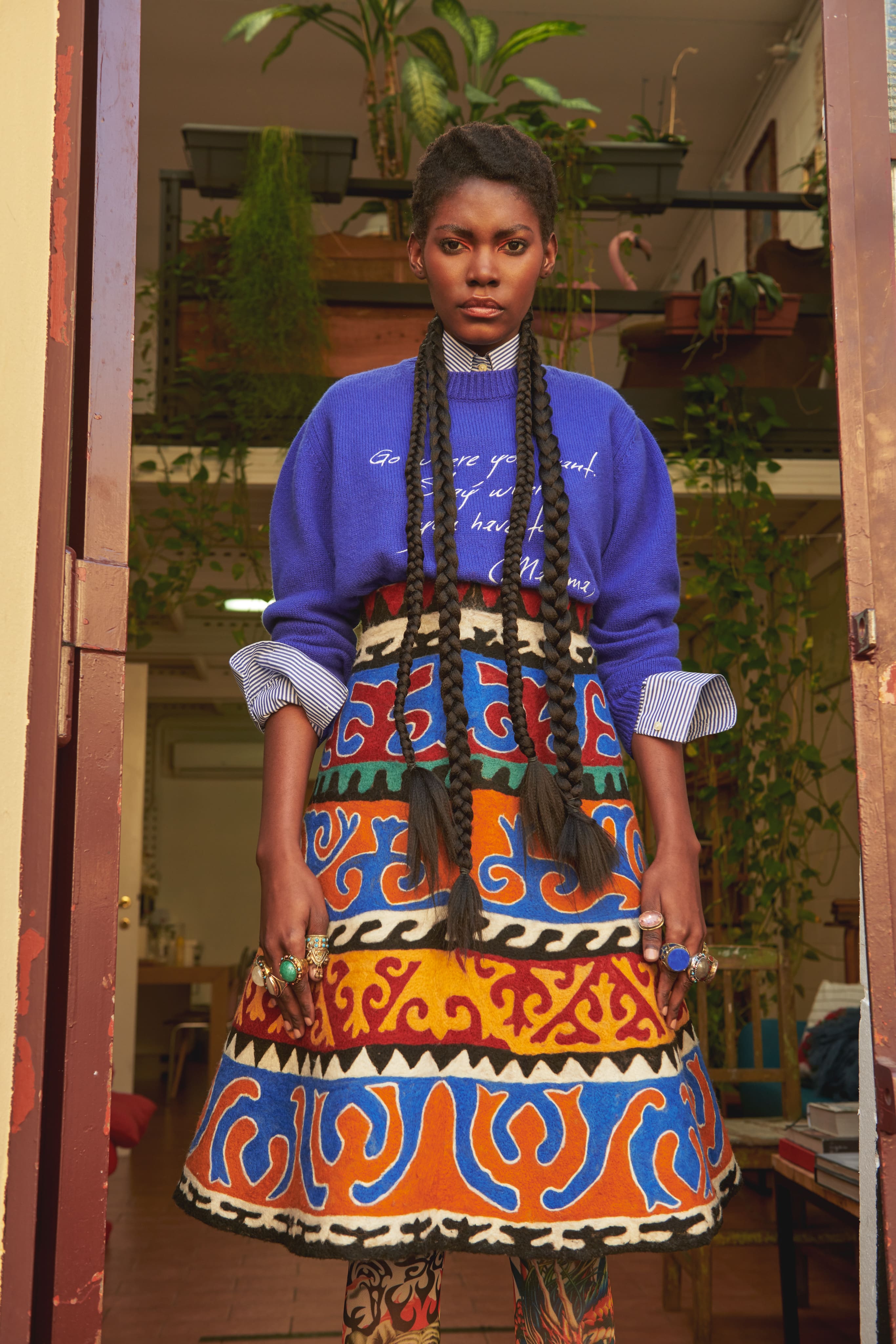
Although the industry itself should bear the main responsibility for contributing to change, we as consumers have plenty of power. We must no longer let ourselves be satisfied or placated by well-meant statements, a black square on Instagram or the odd older or plus-size model in campaigns. We can support brands owned and run by minorities (such as Stella Jean, Victor Glemaud, Off-White, Mowalola, Telfar, Pyer Moss, Thebe Magugu, Cushnie, Christopher John Rogers, etc.) by shopping with them. And we need to know the labels we usually give our money to. Research who holds the levers of power. We consumers can show labels what we understand by true diversity and inclusivity and so bring about greater fairness in the industry!
More stories








GET IN TOUCH