
Art
The Art of Slow Looking: What Photography Teaches Us About Slowing Down
In a world in which countless images compete for our attention every day, conscious seeing is taking on new significance. With his analogue photography, Swiss architect and photographer Sandro Livio Straube devotes himself to the inconspicuous, to transience and to the changing landscape. His work opens up a perspective on seeing that reaches far beyond photography – and reminds us how valuable it can be to pause.
A shadow moving across the wall of a house. The texture of a weathered stone. The light that completely transforms a mountain landscape for a few moments. These are moments that often go unnoticed in everyday life. Not because they lack beauty, but because we rarely take the time to perceive them.
It has never been so easy to produce and consume images. Within seconds, photographs are taken, edited, shared and replaced by new impressions. Yet the faster we look at images, the less time remains to discover their story.
What happens when we deliberately slow this process down?
Sandro Livio Straube: The Beauty of the Inconspicuous
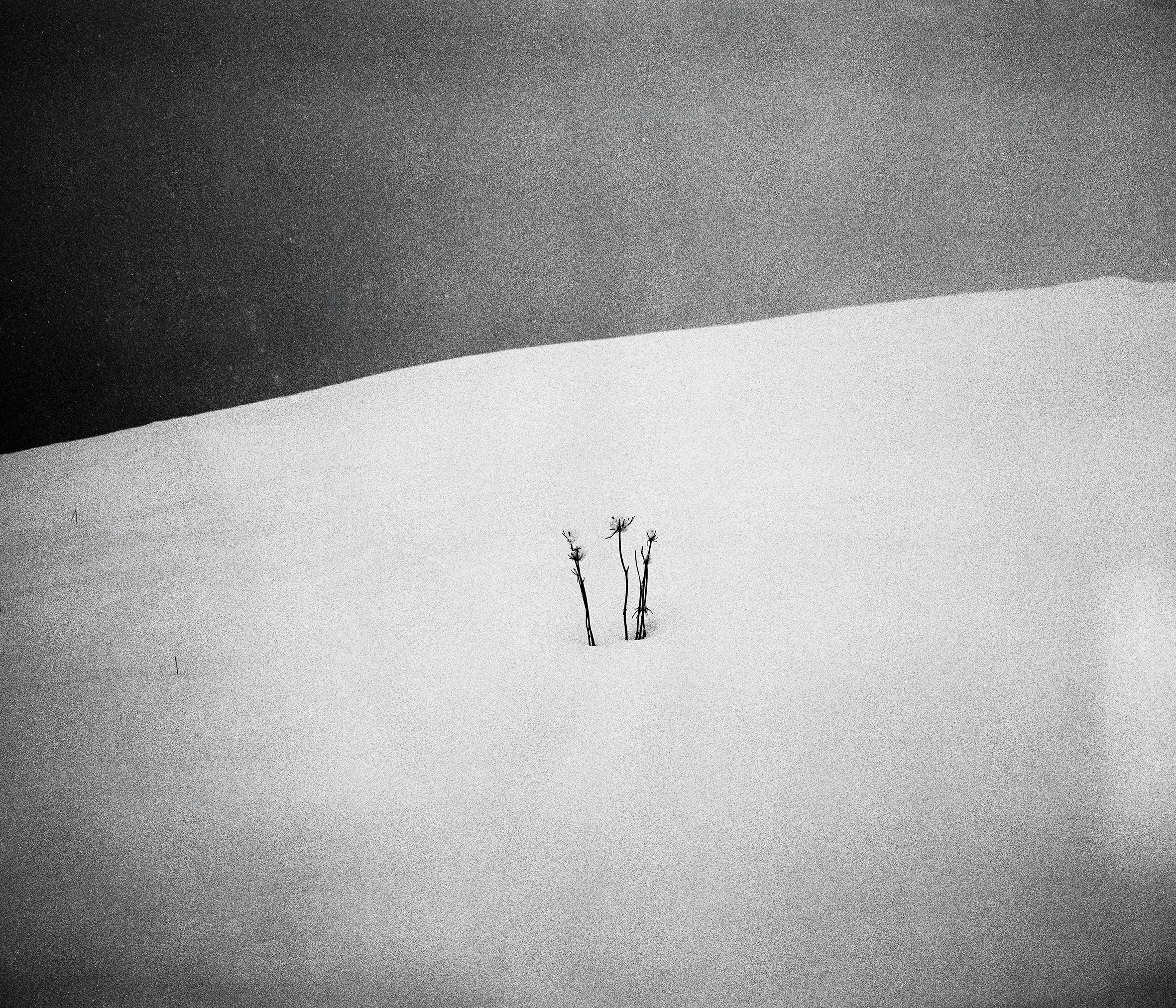
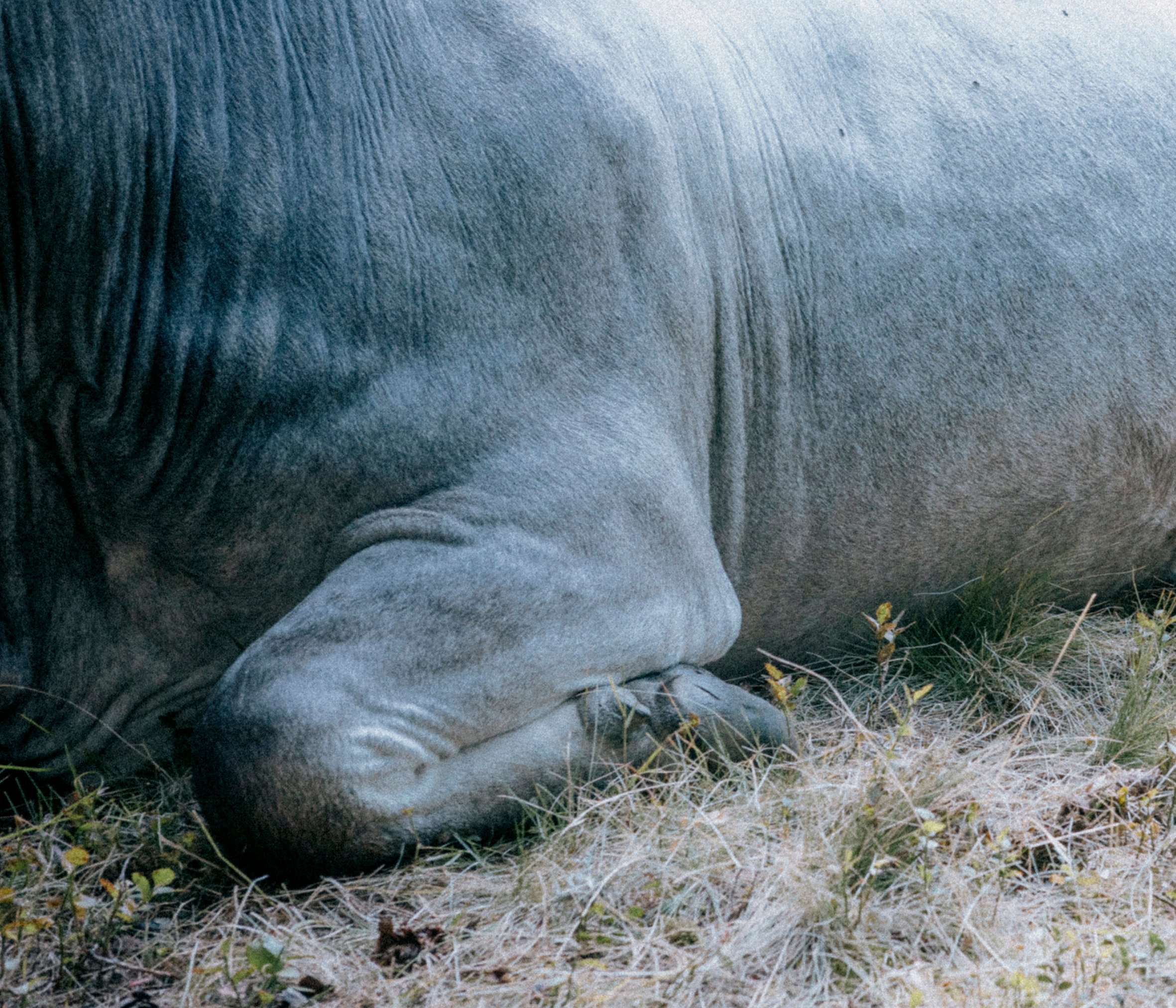
For Swiss architect and photographer Sandro Livio Straube, the fascination of photography does not lie in the spectacular. Instead, his gaze is directed at the subtle changes that landscapes, buildings and objects undergo over time.
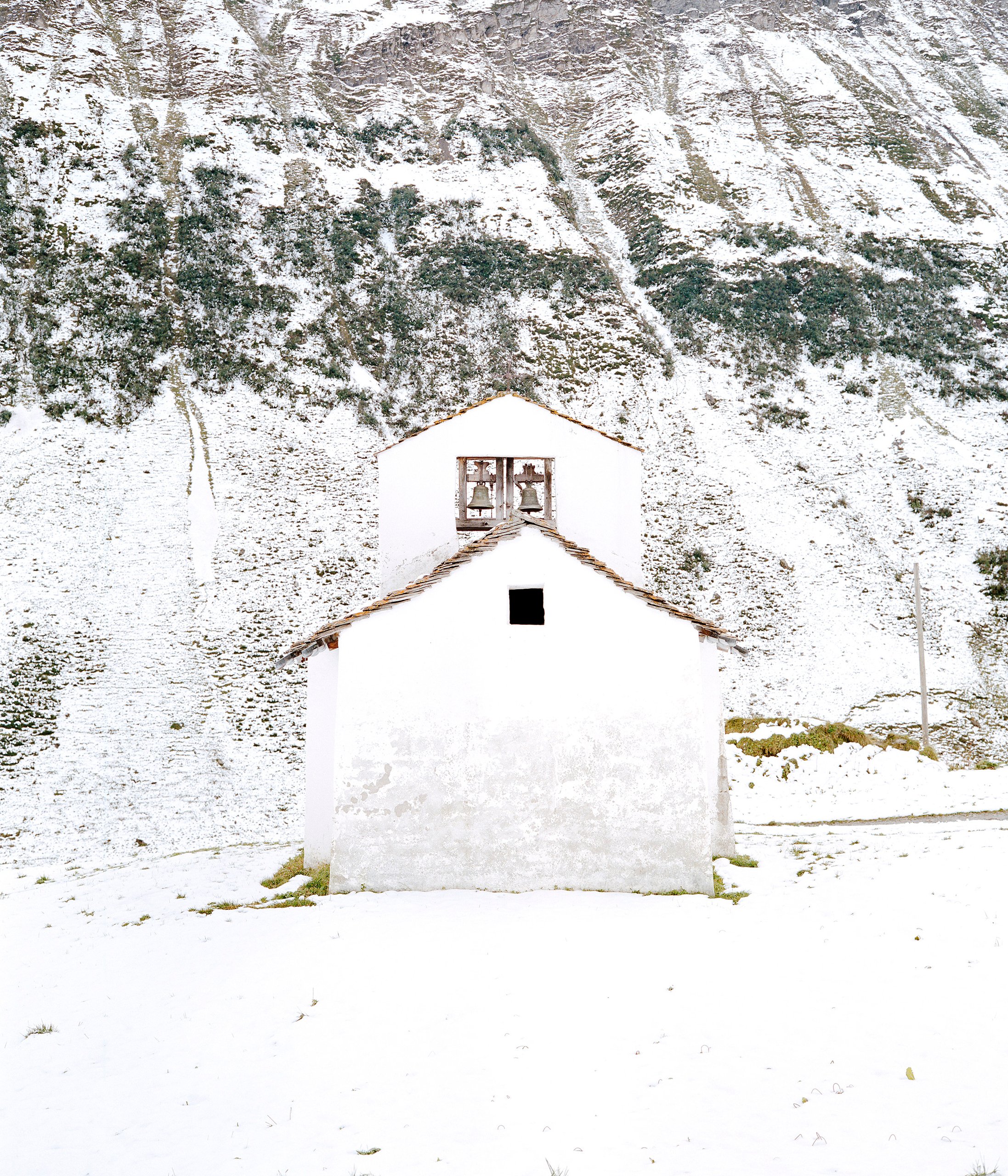
Since 2015, he has been photographing the Val Lumnezia in the Swiss canton of Graubünden. The alpine valley, whose name translates as “valley of light”, is the starting point for an intensive visual exploration of nature, architecture and transience.
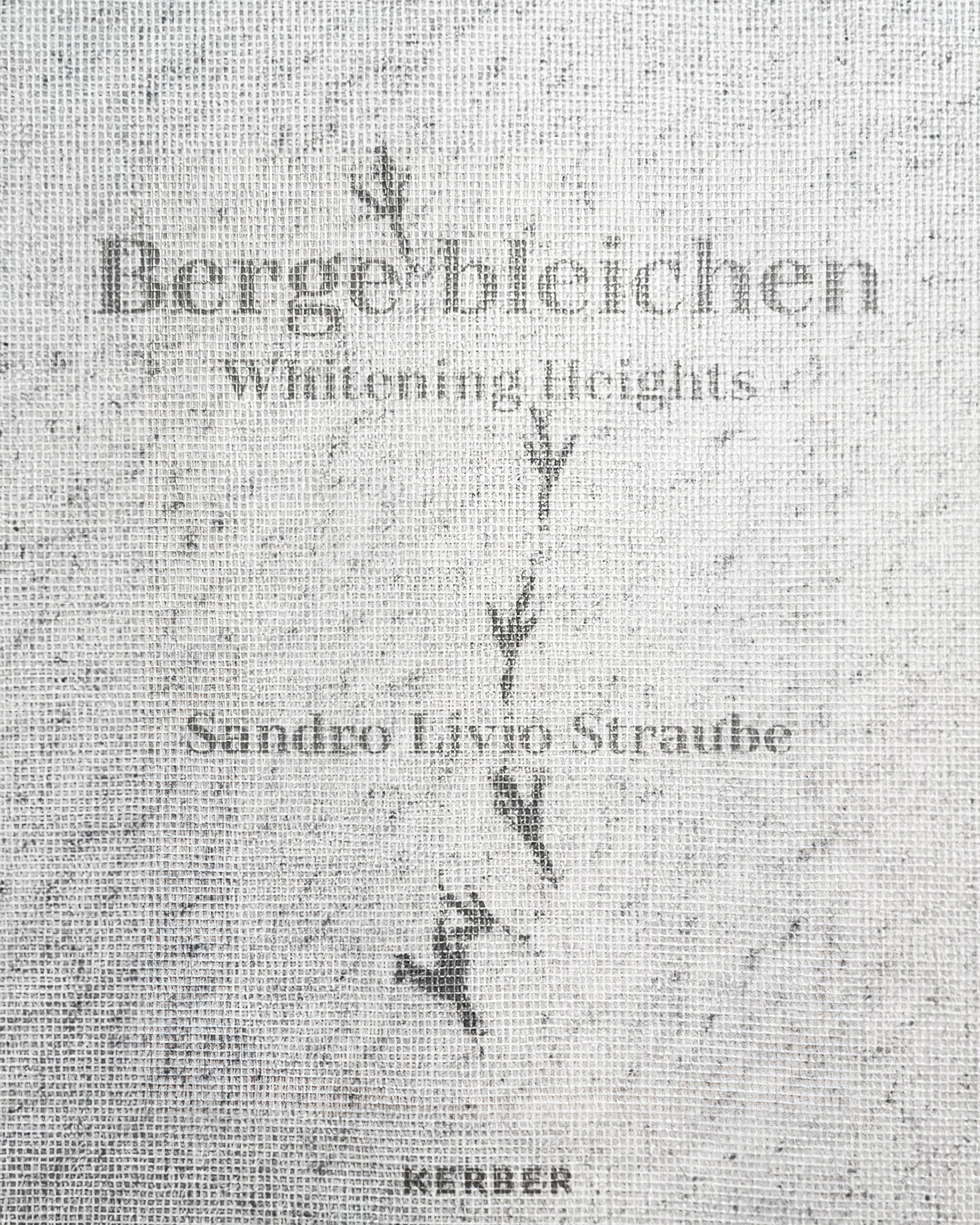
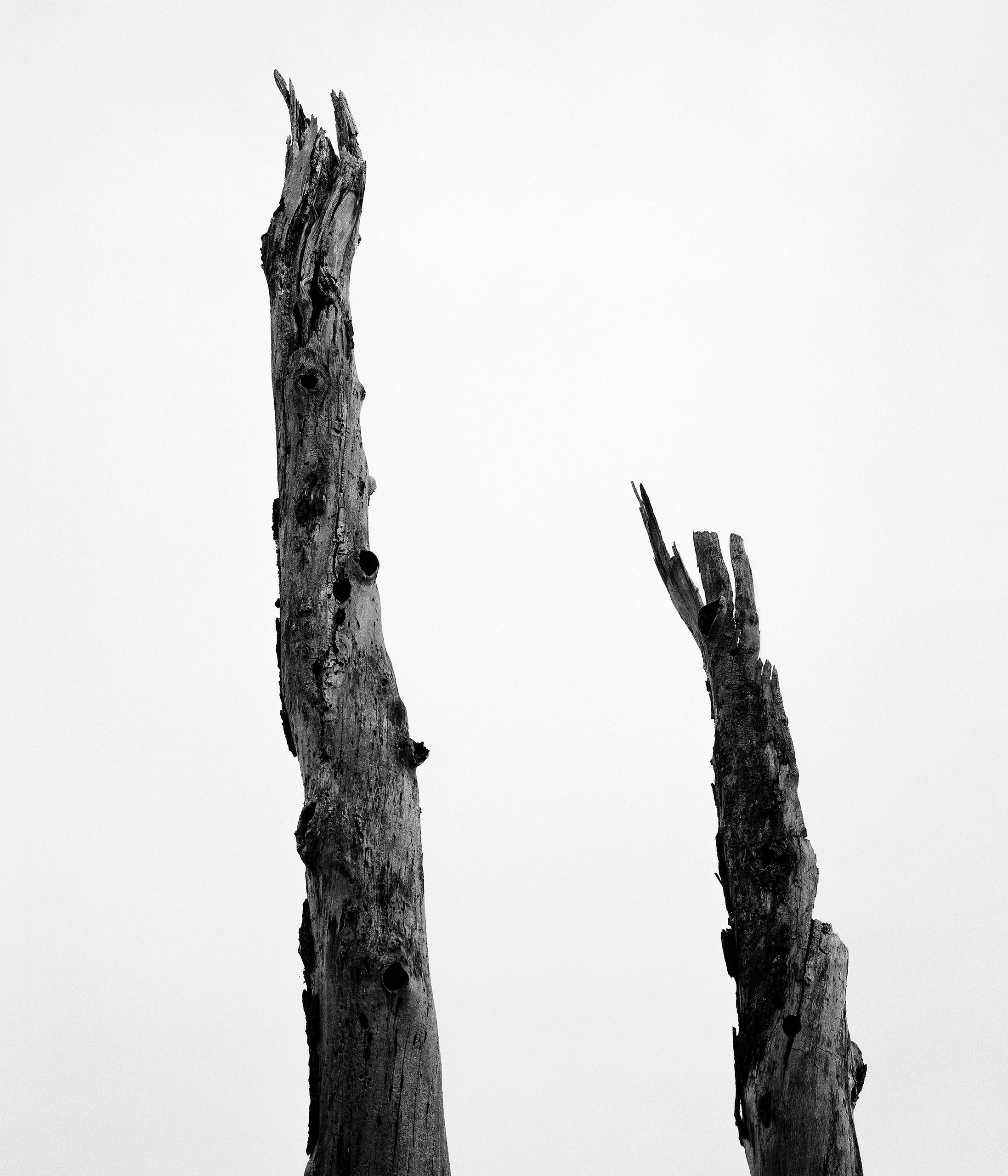
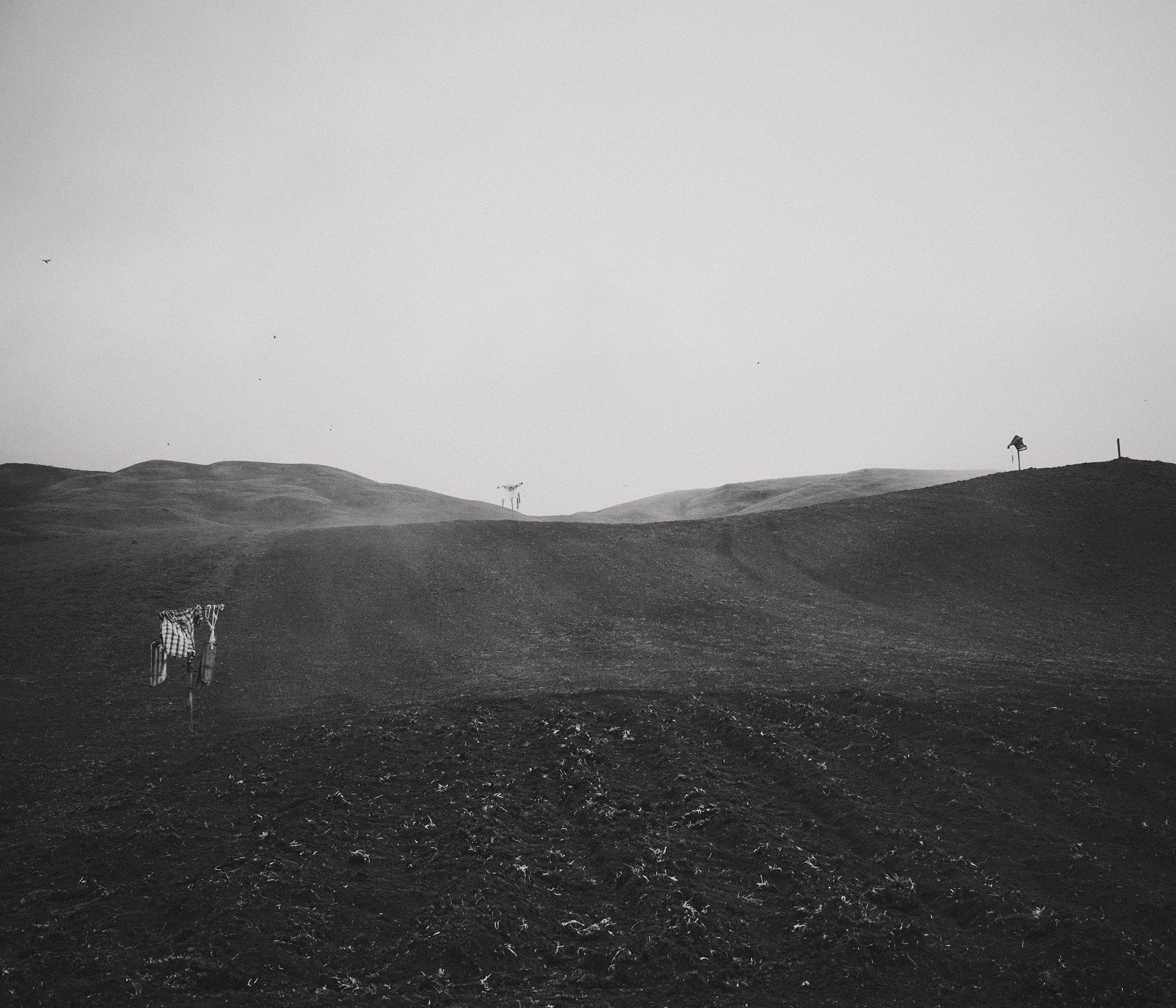
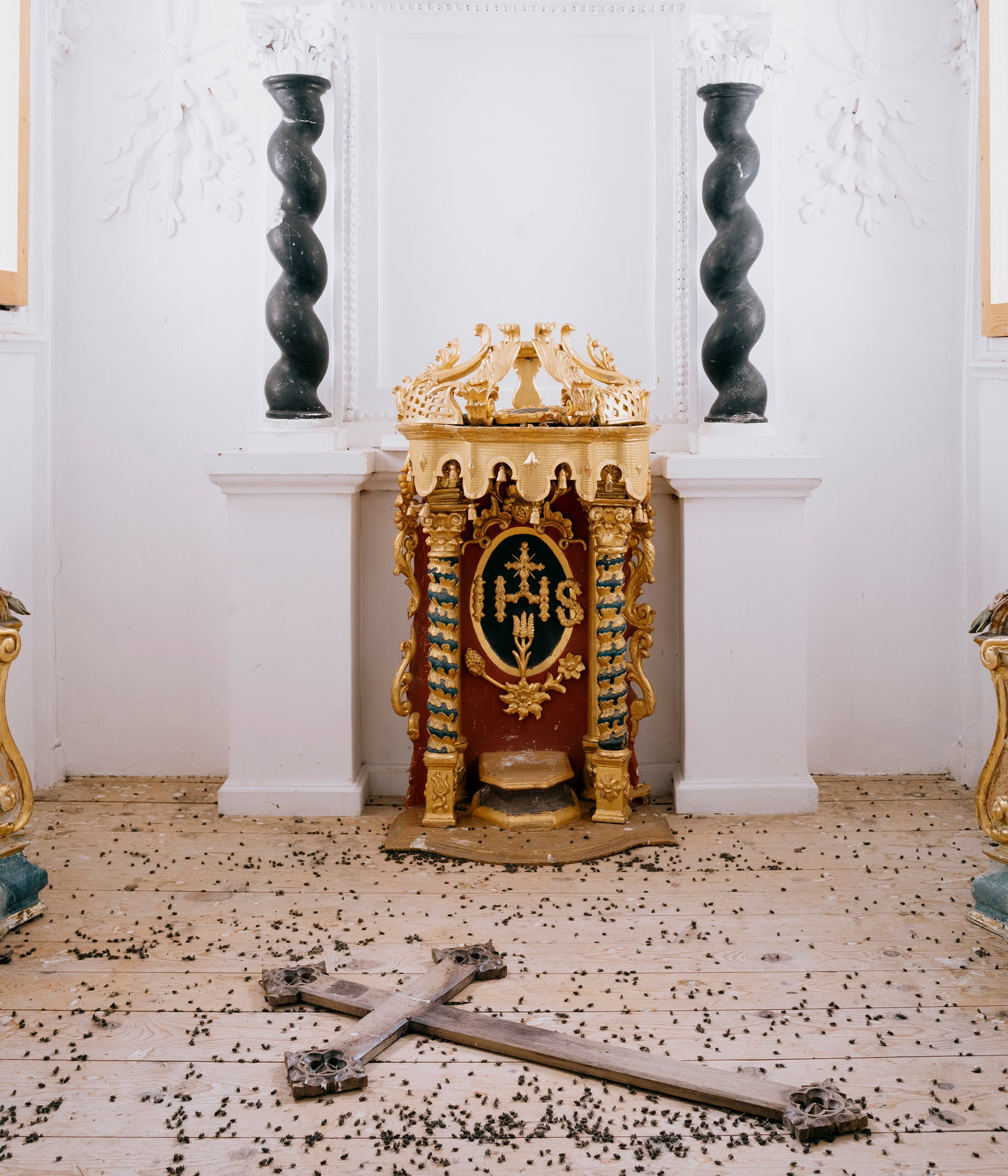
In his photo book Berge bleichen, we encounter a landscape beyond classic Alpine romanticism. Straube is interested in traces of time, in erosion, surfaces and the interplay between light and matter.
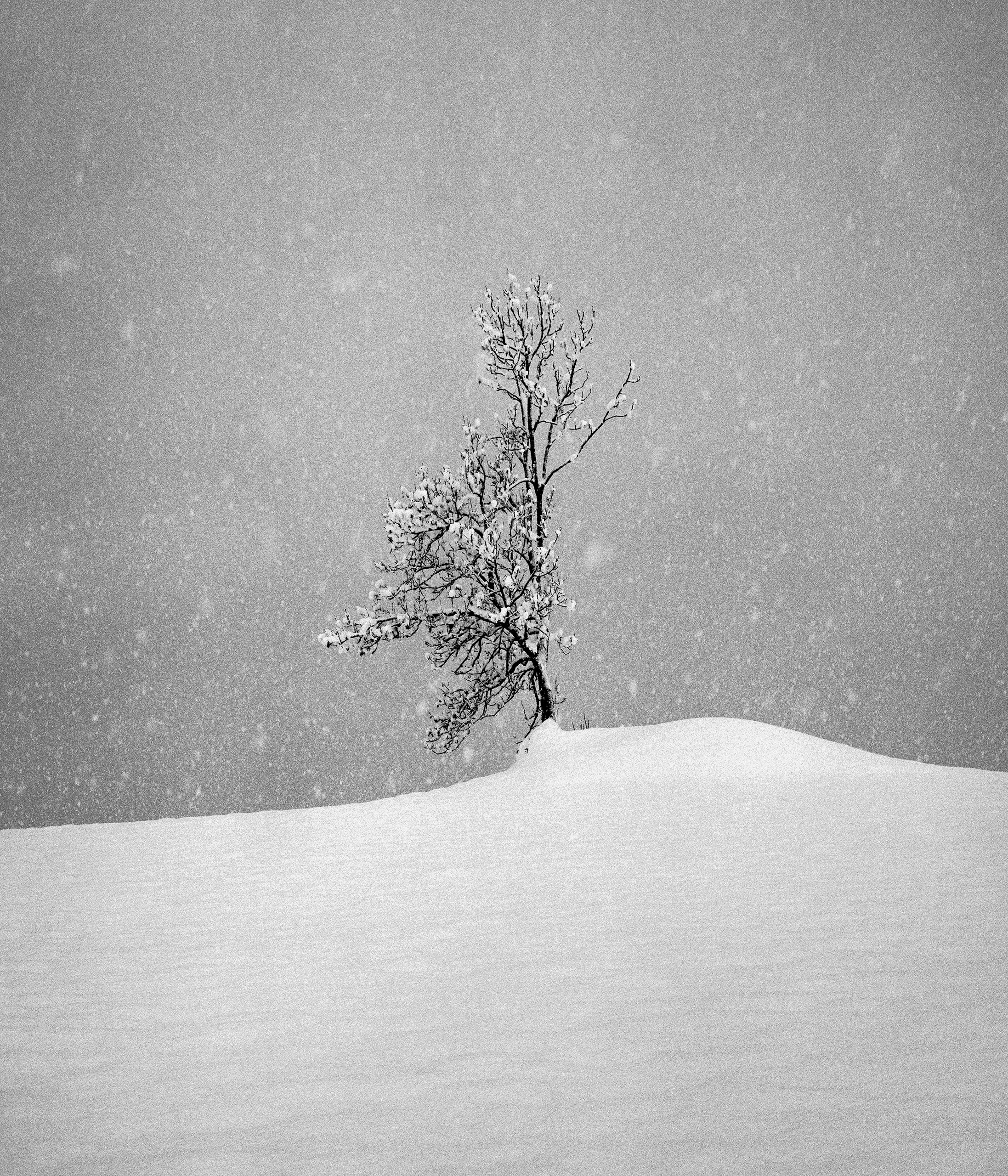
His photographs demand no immediate reaction. Rather, they invite us to look for longer. What at first seems unspectacular develops a depth of its own on closer inspection.
Therein lies the special quality of his work: it changes not only our view of a landscape, but also the way we perceive images.
Analogue Photography as a Deliberate Counterpoint
While digital cameras and smartphones offer almost unlimited possibilities, analogue photography follows a different rhythm.
Every shot involves a decision. Lighting conditions, perspective and composition have to be chosen consciously. The result initially remains invisible and only reveals itself once the film has been developed.
Sandro Livio Straube works with analogue medium-format photography. This way of taking pictures demands attention, patience and the willingness to engage with a moment without being able to control it immediately.
The technical limitation becomes creative freedom. Instead of capturing numerous variations of a subject, the individual photograph gains in significance.
At a time when speed is often equated with efficiency, this process seems almost unusual. Yet it is precisely this deliberate slowing down that opens up opportunities to notice details that would otherwise remain hidden.
Why We Need to Learn to See Again
Our everyday lives are shaped by visual stimuli. News, social media, advertising and digital communication accompany us almost everywhere. Images are often judged within seconds before our attention has already moved on to the next piece of content.
The art of slow looking counters this behaviour with a different attitude. It asks us not to interpret or judge immediately, but first to observe.
How does a colour change in the light? What story does a weathered surface tell? What effect does the absence of people in a photograph have?
Questions like these open our eyes to connections that cannot be reduced to a first impression.
This form of conscious perception also plays an important role in contemporary art. A work does not have to be loud, monumental or immediately comprehensible to have a lasting impact. Sometimes its real power only emerges through the time we give it.
Architecture, Landscape and the Traces of Time
Straube’s background as an architect adds another dimension to his photographic work. Architecture and photography are linked by an intensive engagement with space, light, material and proportion.
But while architecture shapes spaces, photography can reveal how these change over time.
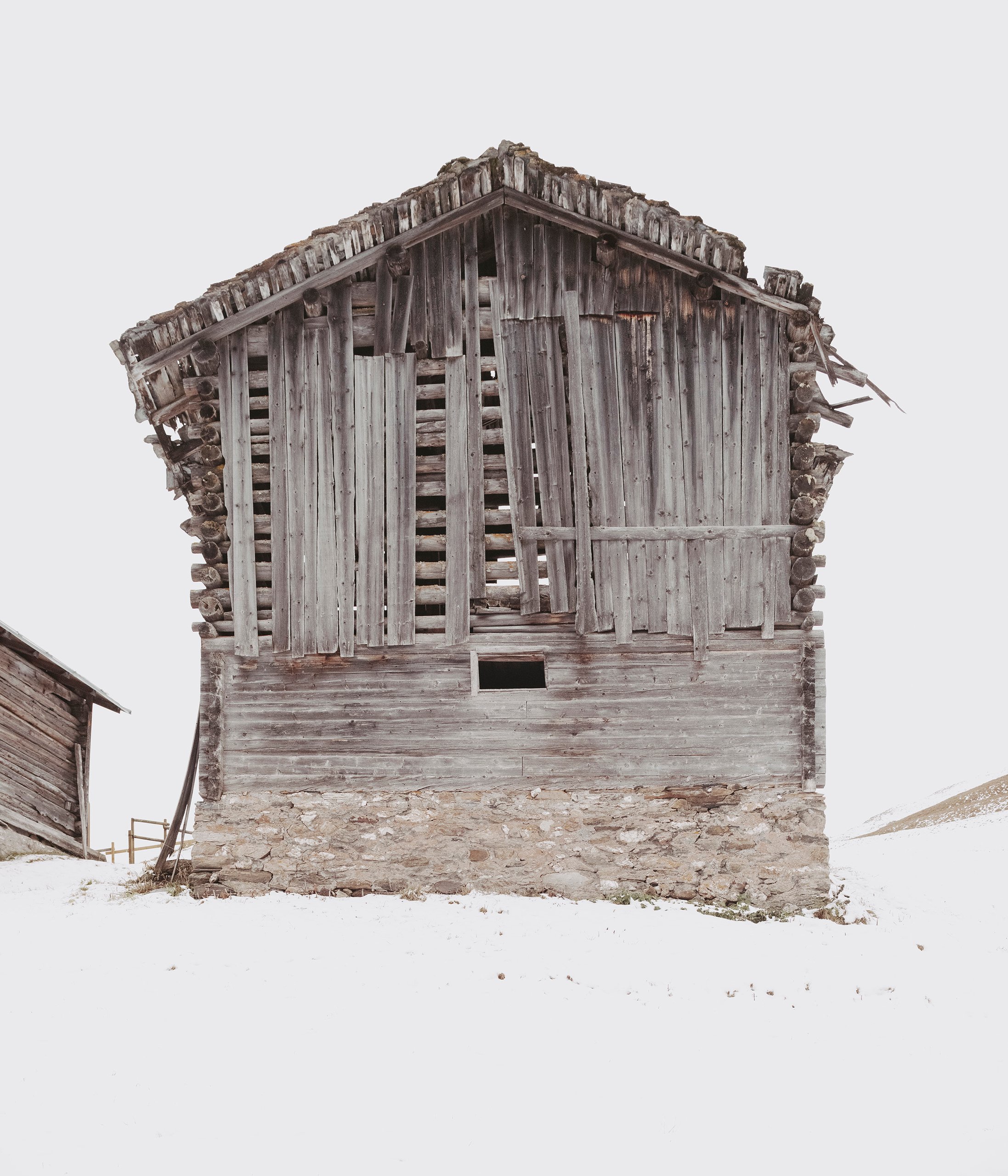
Weathering, natural erosion and changing light conditions tell stories that can be neither planned nor fully controlled. A building, a rock or a seemingly ordinary surface becomes a testimony to continuous change.
Here, too, lies an interesting parallel to modern interior design and architecture: materials do not have to be flawless to radiate beauty. Patina, irregularities and signs of use can instead give an object character and individuality.
The aesthetics of the ephemeral thus offer a counter-model to a culture that often strives for permanent perfection.
Slowing Down as the New Luxury
For a long time, luxury was defined above all by exclusivity, material quality and extraordinary experiences. Today, a further dimension is gaining in importance: the freedom to have control over one’s own time.
Conscious time-outs, journeys to remote landscapes and a return to handcrafted processes stand for an attitude to life that does not necessarily seek ever new impressions.
Photography can become a special way of slowing down. It requires neither a professional camera nor a trip to the Swiss Alps.
A walk through familiar streets, observing changing light or consciously contemplating a single subject can be enough to rediscover one’s own surroundings.
What matters is not capturing as many extraordinary images as possible. Rather, it is about meeting the ordinary with extraordinary attention.
The Art of Looking More Closely
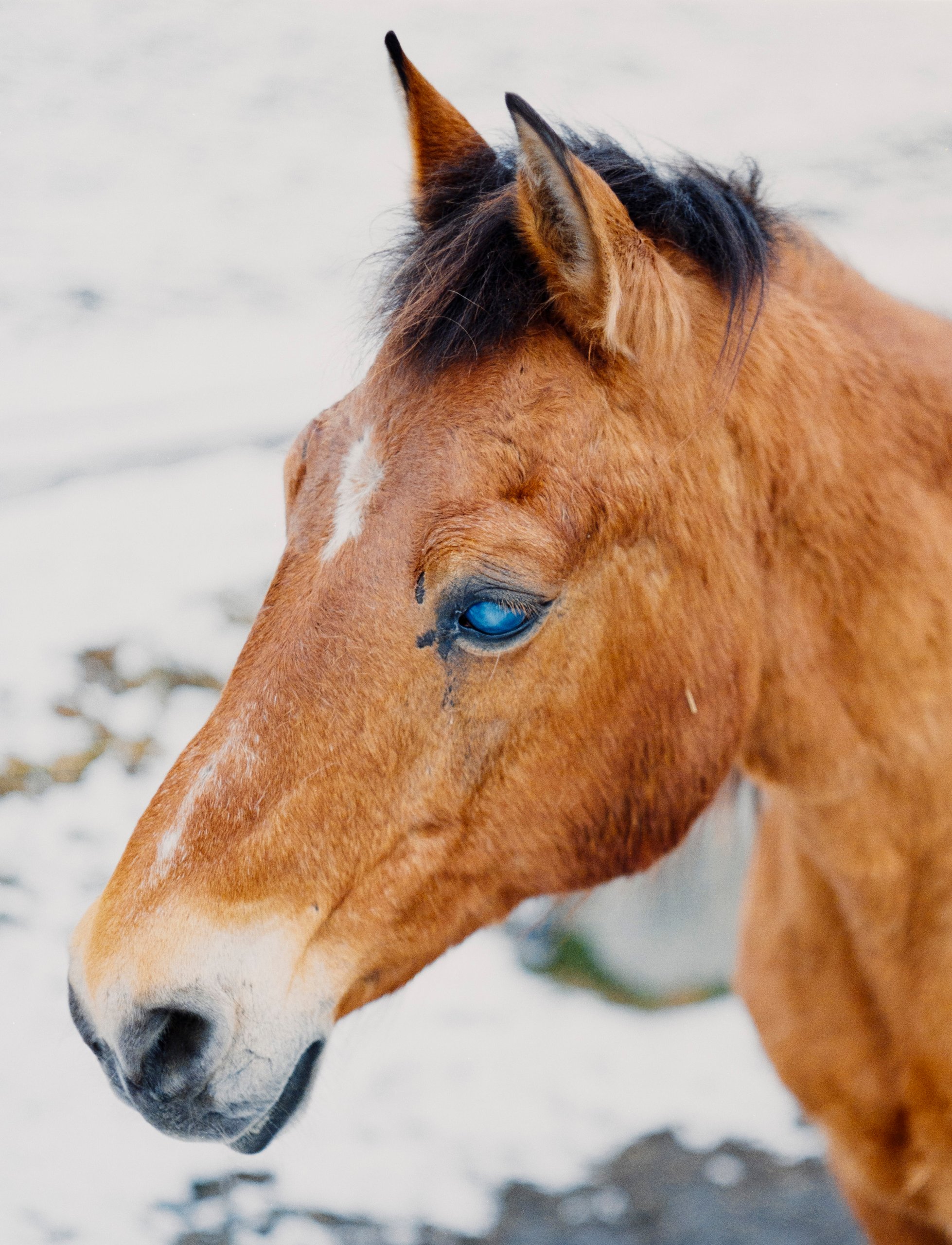
Sandro Livio Straube’s photographs remind us that beauty does not always lie where we expect it. His exploration of the Val Lumnezia, of light and of the traces of transience shows how much can be discovered when we look at familiar things from a different perspective. Perhaps the real art of slow looking lies not in constantly searching for new impressions, but in perceiving existing ones more intensely.
Discover the current winter issue of THE FRANKFURTER with more inspiring artist portraits, extraordinary photographic perspectives and stories from the international world of art and design. Between ART, HOME and TRAVEL, we meet personalities and places that change our view of the special – and invite us to experience the world a little more consciously.
More stories








GET IN TOUCH