
Travel
DESIGN CAPITAL COPENHAGEN
Copenhagen is currently setting the pace in architecture, fashion and design. The best place to experience this mix is in the restaurants and hotels of the city on the Øresund – as our author Martina Metzner describes in her travel report.
Text Martina Metzner Photos Sebastian Falck Stigsby, Filippo Bamberghi, Steel House, Vipp, ASTRIDKBH, Martin Heiberg, Martina Metzner, Daniel Rasmussen, Joachim Wichmann, Terry Mclaughlin, Michael Levin, Rasmus Hjortshøj, Brdr. Krüger
The reason often given for Denmark supposedly being home to the happiest people in the world is that people and nature live in harmony here, that democracy and responsible coexistence are held in high regard, and that the education system and equality work.
Now, in recent years, the most important ideas in contemporary architecture, design and urban development have also been coming from the small Scandinavian country – as last happened in the 1950s and 1960s, the “golden age” of Danish design, with pioneers such as Arne Jacobsen, Finn Juhl and Børge Mogensen. One wonders: how on earth do the Danes do it? What is their secret design recipe?
HIP CITY, HIP PEOPLE
Anyone who travels to Copenhagen can see, feel, smell and taste how the good urban life works. Everything here is hip: the furniture, the fashion, the people, buildings, restaurants, food, even the salt shaker and the door handle. Fashion influencers such as Tine Kjare and Pernille Teisbaek stand for an electric mix that redefines glamour via slow fashion, craft beer and hip trekking sandals. They wear fashion by By Malene Birger, Stine Goya and Day Birger et Mikkelsen. Cool men wear Henrik Vibskov. And all without a guilty conscience: most fashion labels are international pioneers in sustainability. It is no coincidence that Copenhagen, alongside Berlin, is the cradle of the hipster – the emblem of a generation that, like no other, practises an alternative lifestyle in western cities worldwide.
Scandinavian design is about longevity. The objects are like family members, tied to emotions and passed on from one generation to the next.
— Signe Bindslev Henriksen and Peter Bundgaard Rützou
ESSENTIAL LIVING
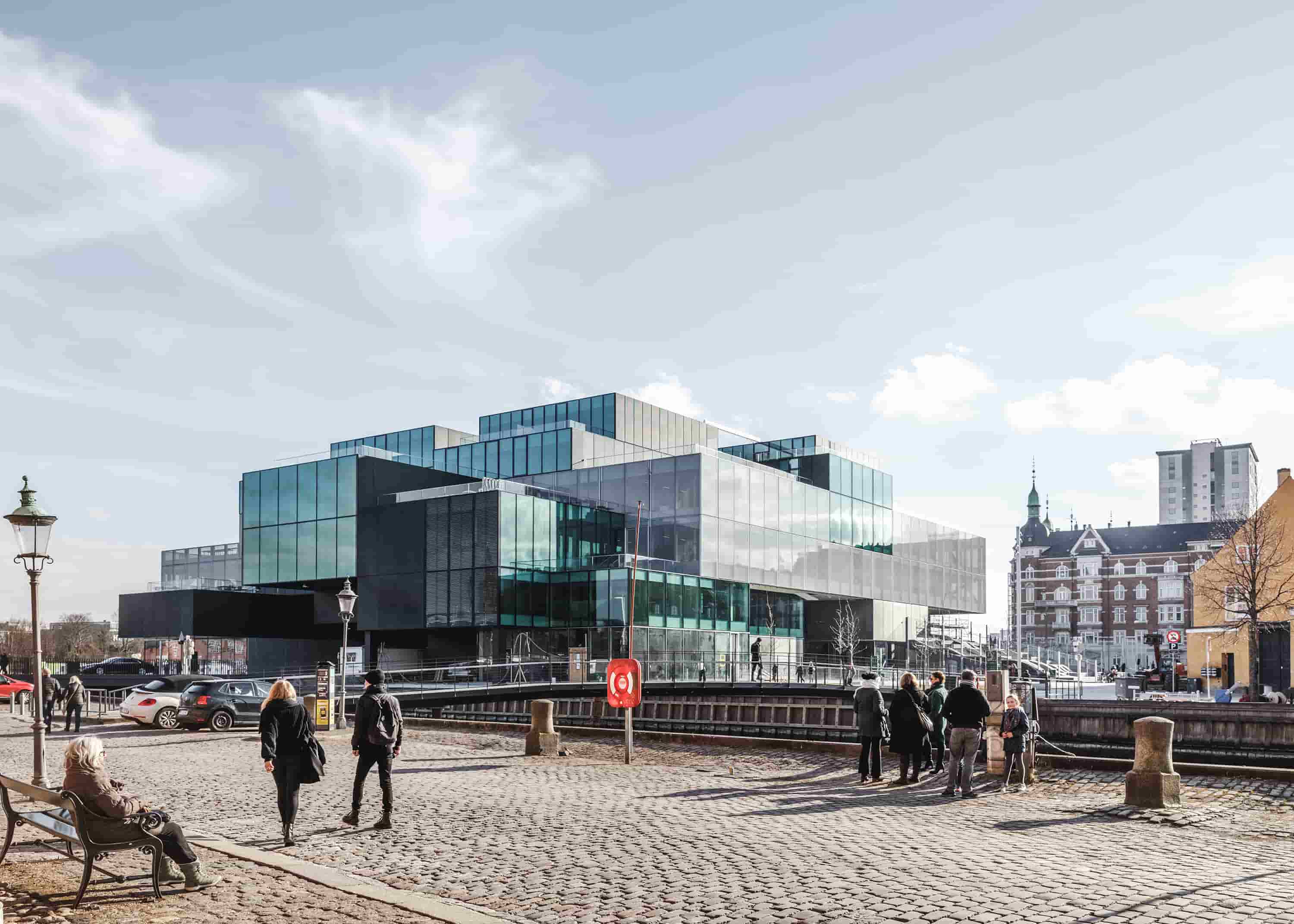
Architects come to Copenhagen in droves on study trips. Their destination is the new residential district of Ørestad. This is where Bjarke Ingels (THE FRANKFURTER profiled him in issue 02/19) launched his career in the 2000s, with residential buildings that were unusual at the time and defined by a strong sense of community. When you stroll along Nyhavn in Copenhagen, you can also see his CopenHill in the distance: a ski slope he installed on top of a waste incineration plant. His credo: sustainability should be fun!
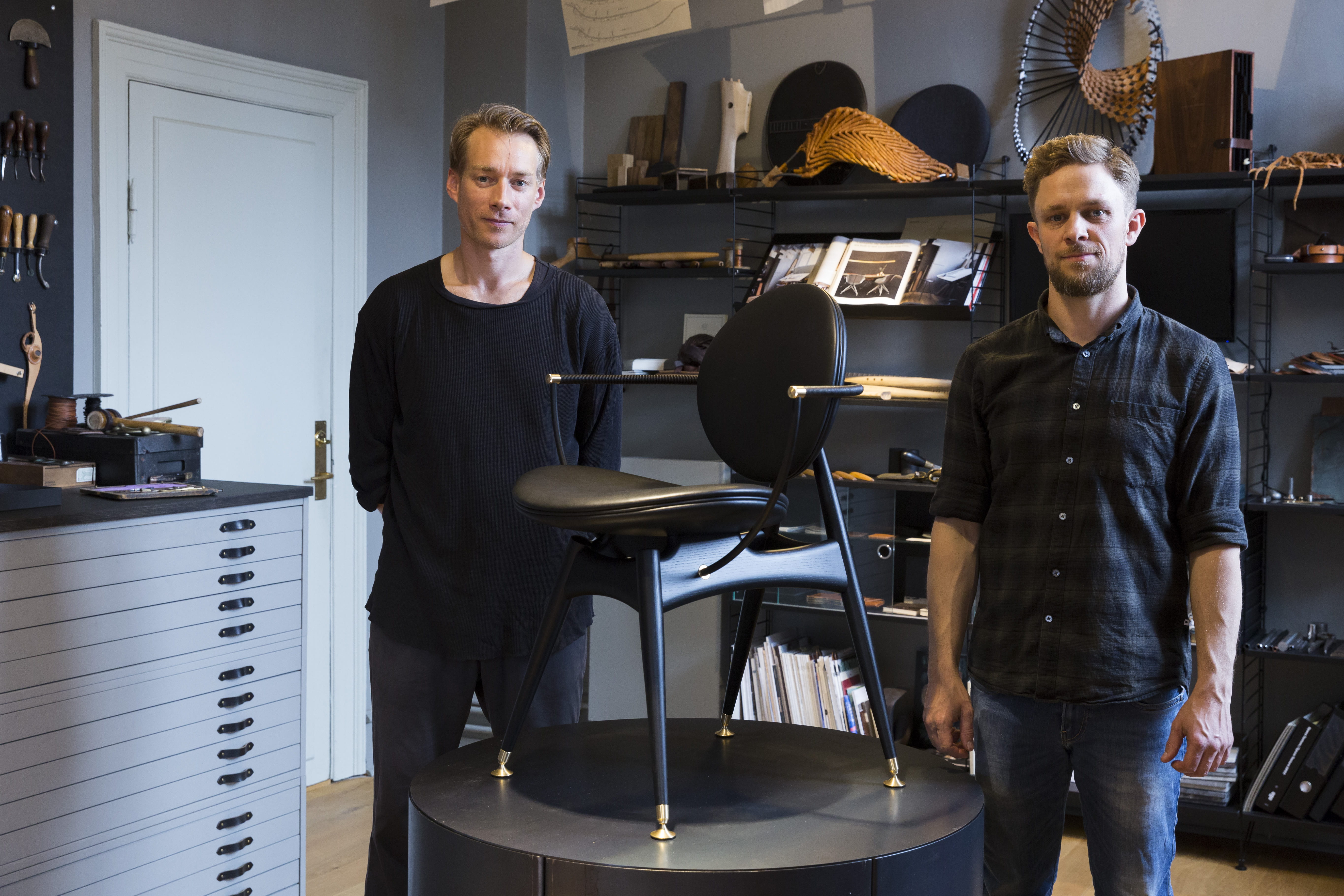
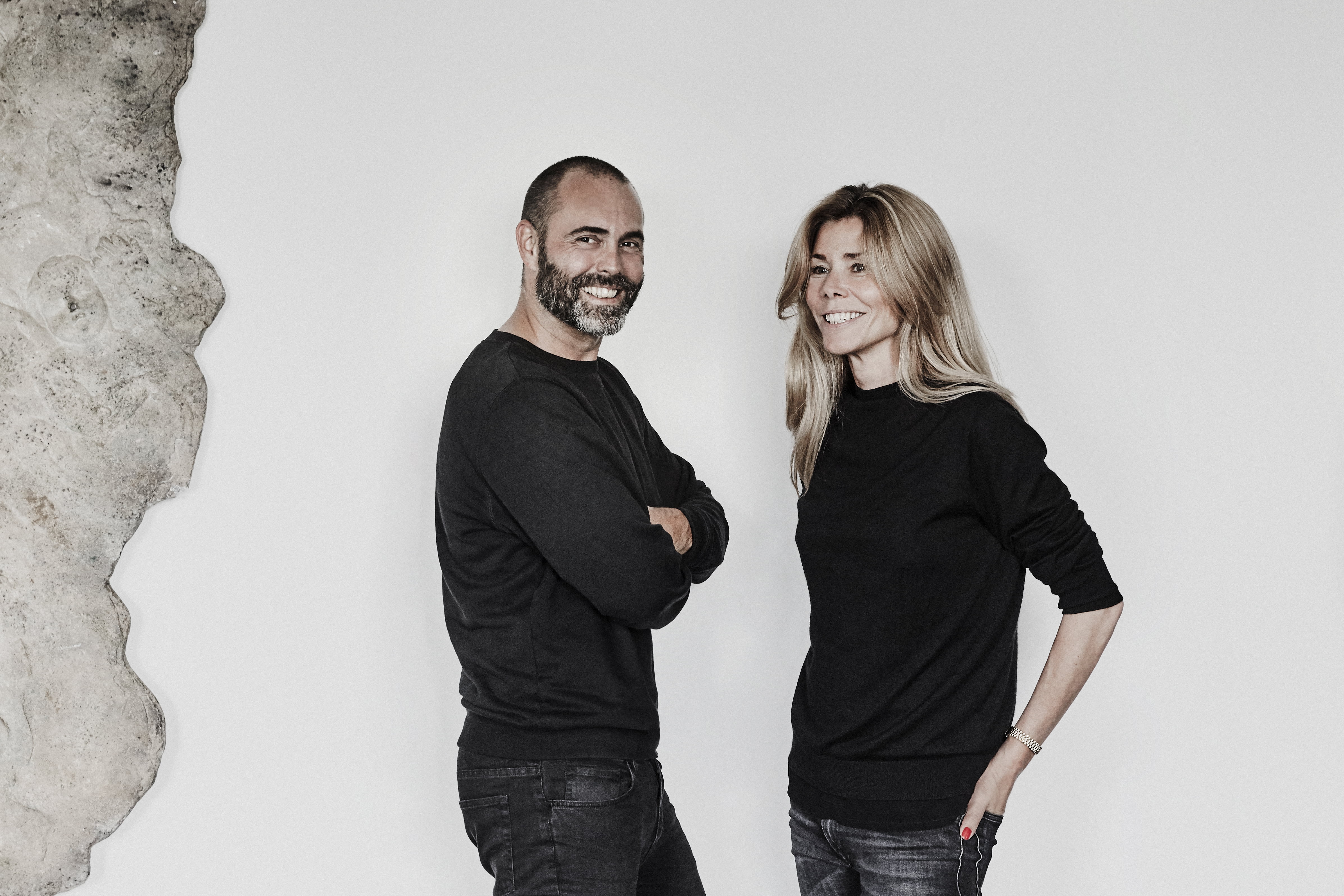
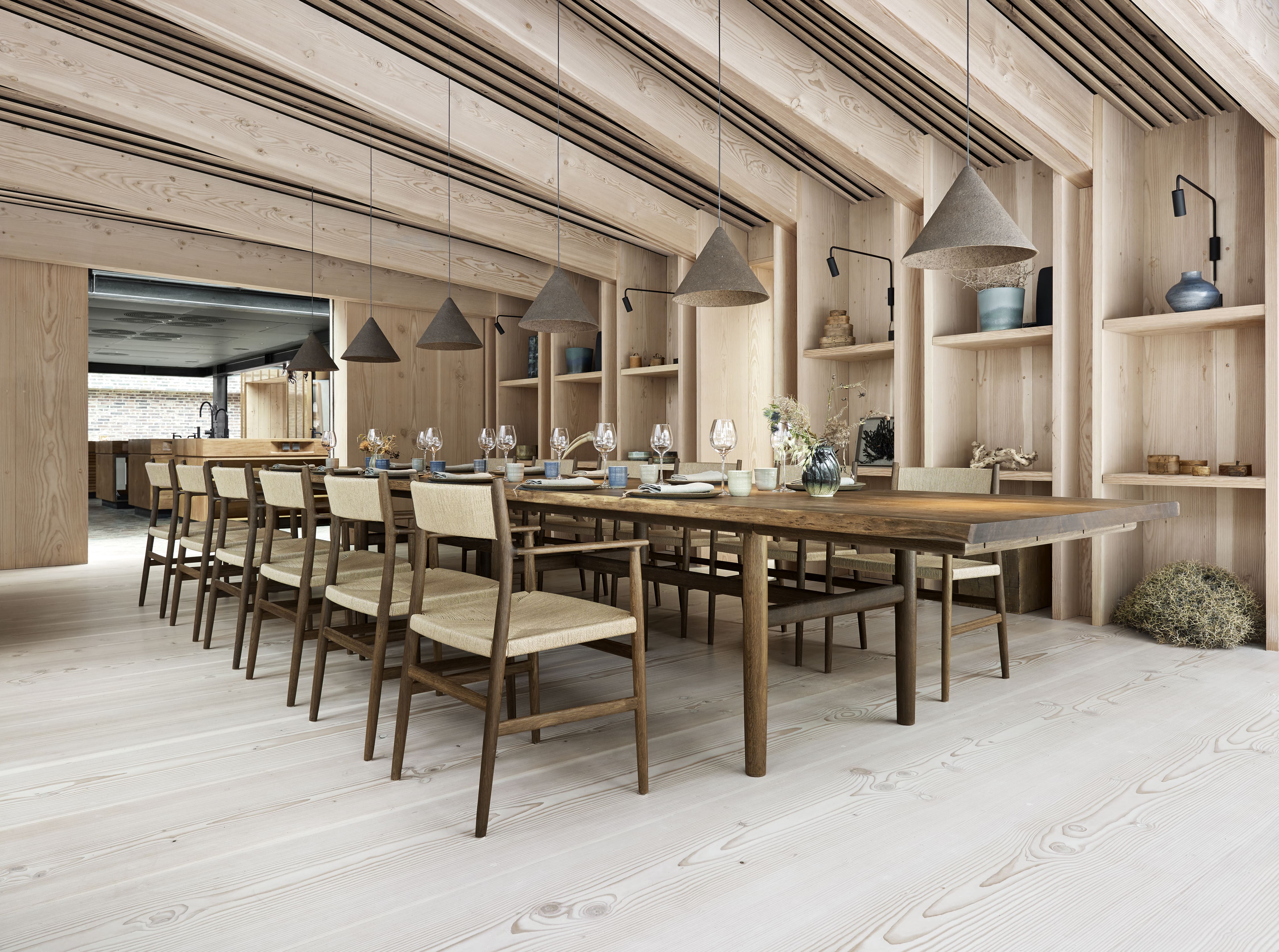
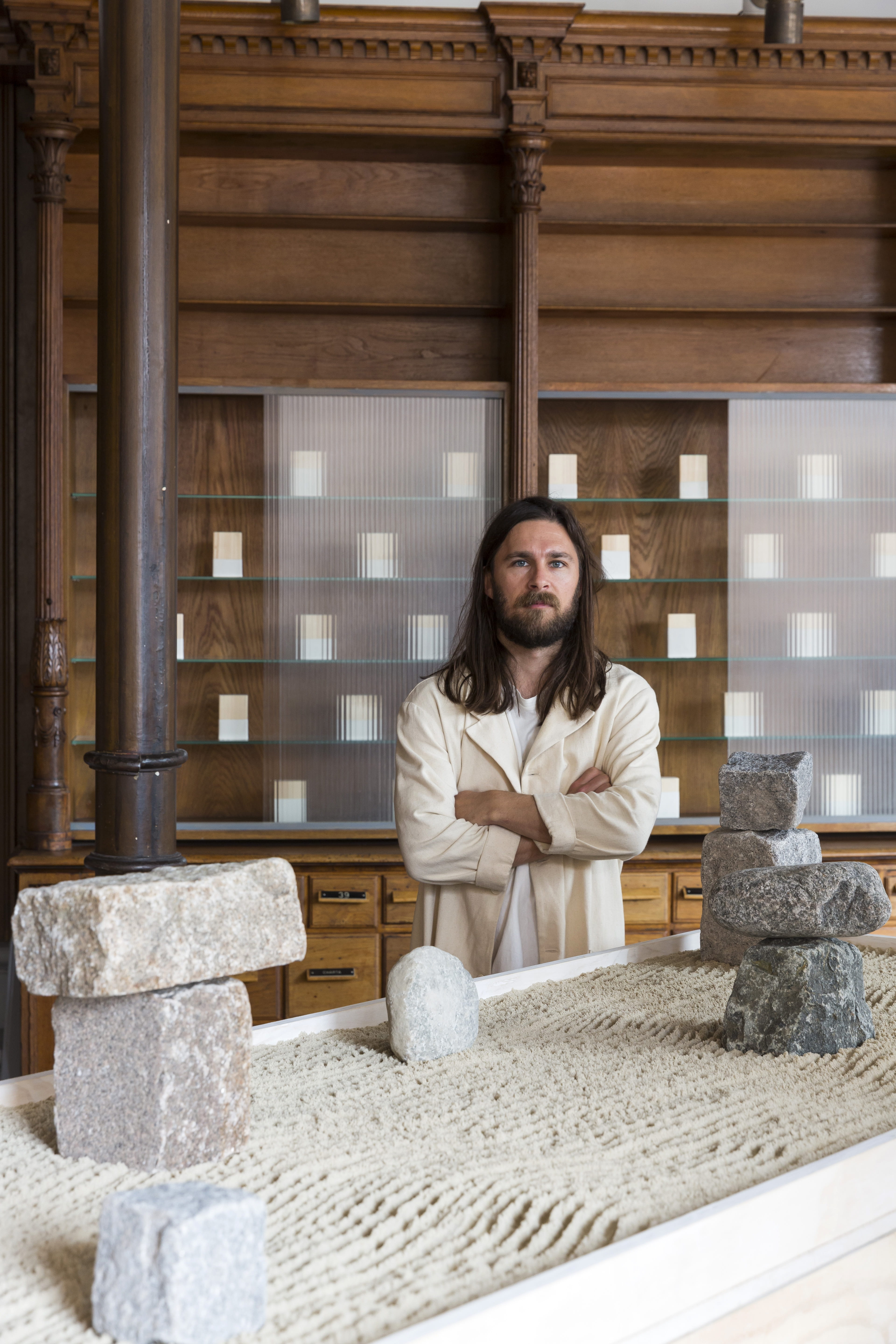
The Copenhagen hype is particularly strong and omnipresent in design: no one can have missed the hygge or Scandi trend in recent years. Many will even have equipped themselves with a sheepskin or pastel-coloured vases. The pale colours of the Nordic coasts play into this just as much as untreated softwood and a simple design approach that some declare “democratic”. This is easy to see in the work of stylists such as Lotta Agaton and Pella Hedeby, or in the design collective Frama, whose studio is located in an old pharmacy from 1878 – definitely worth a visit.
PLACES TO BE
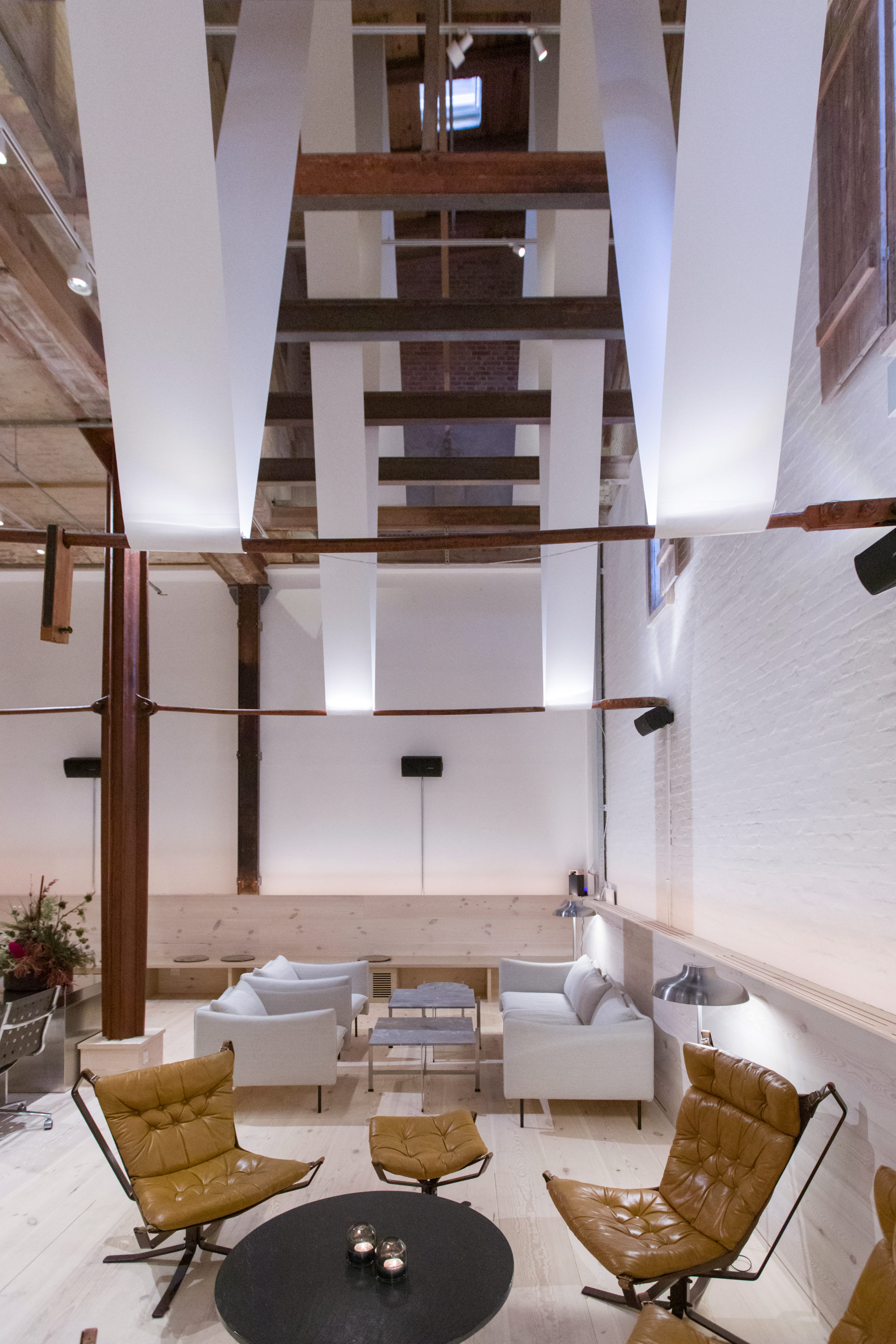
In Copenhagen’s bars, restaurants and hotels, all branches of design come together in a “holistic design experience”. For a good decade, Nordic cuisine, led by the restaurant Noma and now numerous offshoots in the city, has topped rankings worldwide. People from all over the world travel to Copenhagen for this taste experience alone, to finally enjoy – after a year’s wait for a reservation – the natural and often idiosyncratic creations made with ingredients from the Nordic coasts.
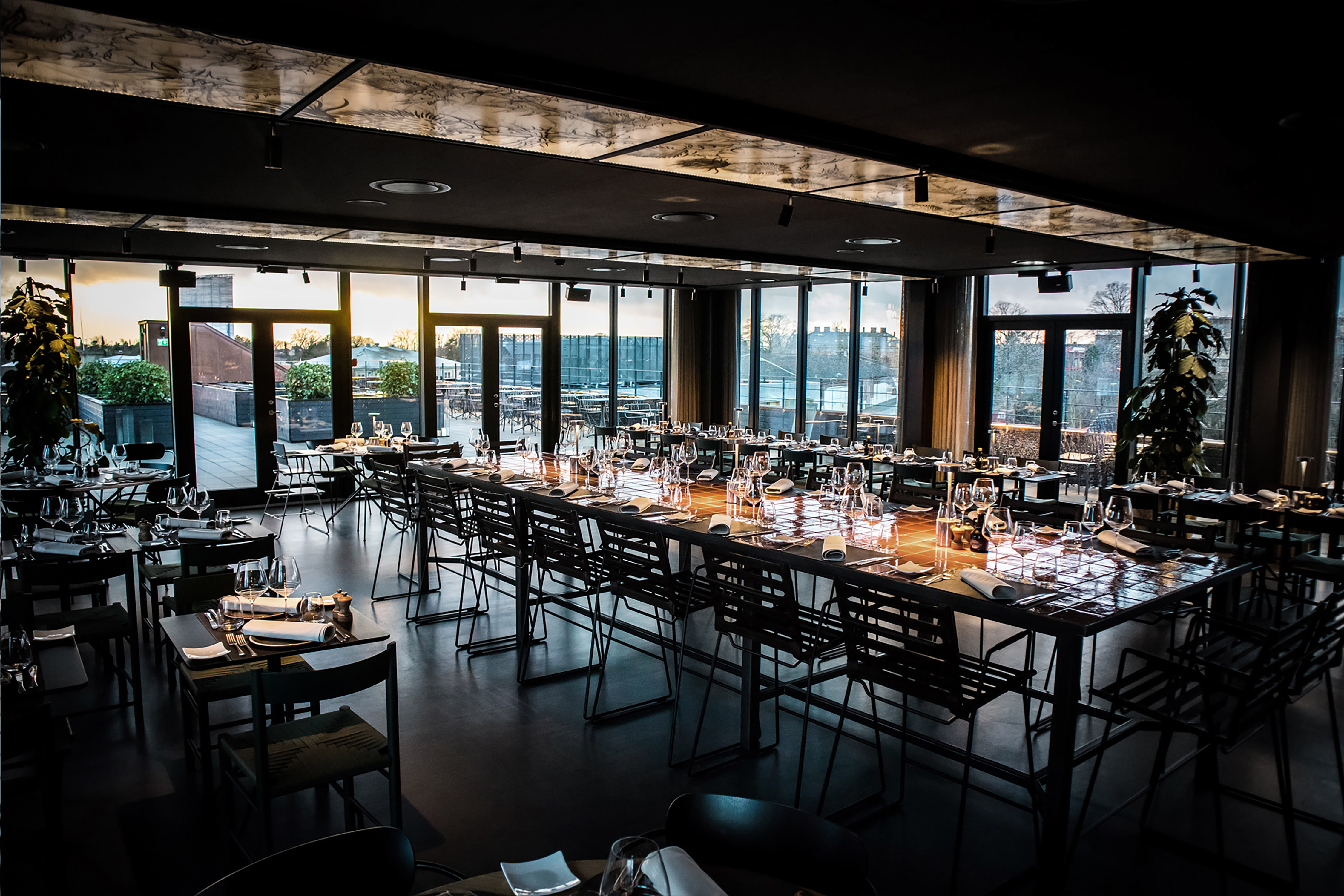
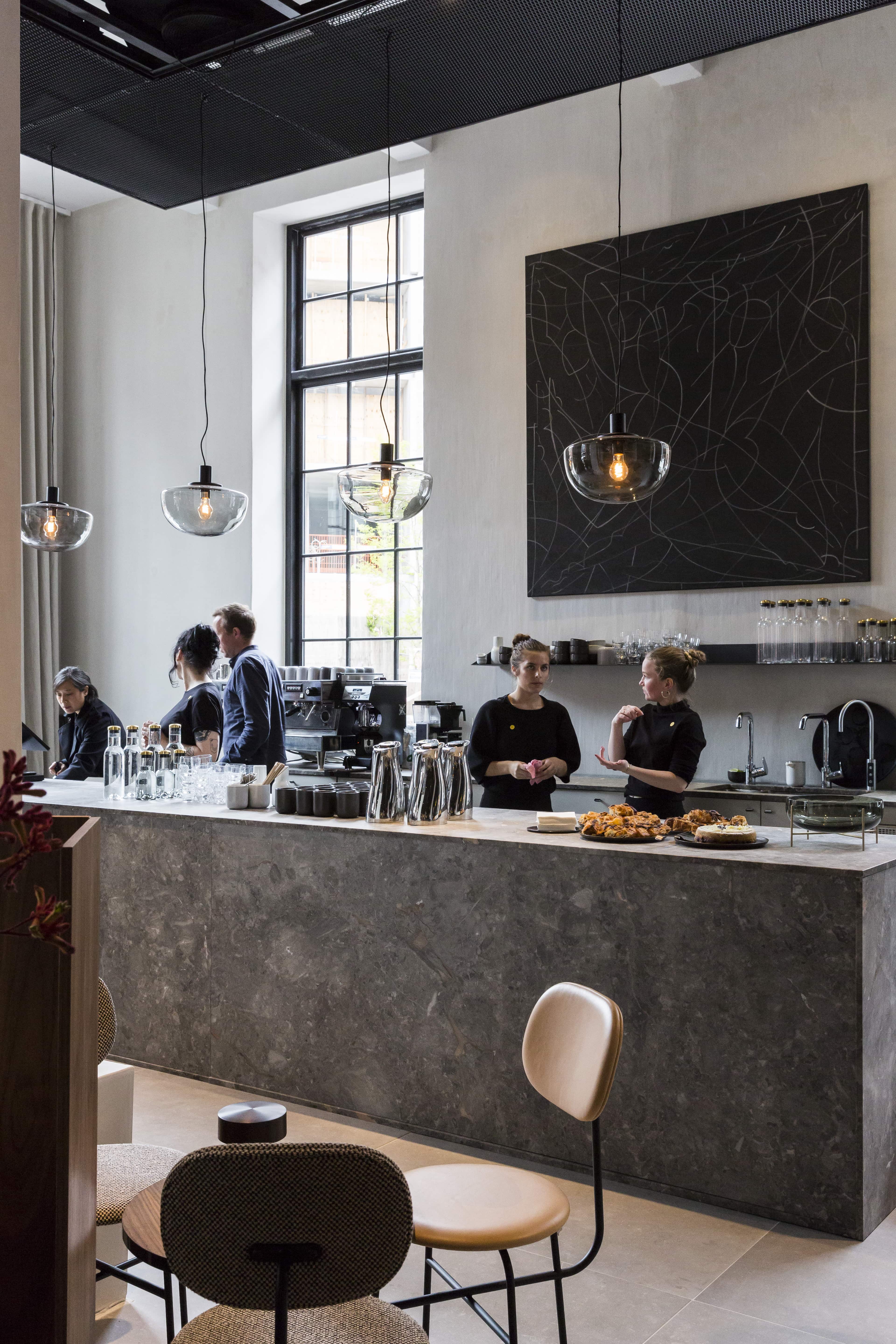
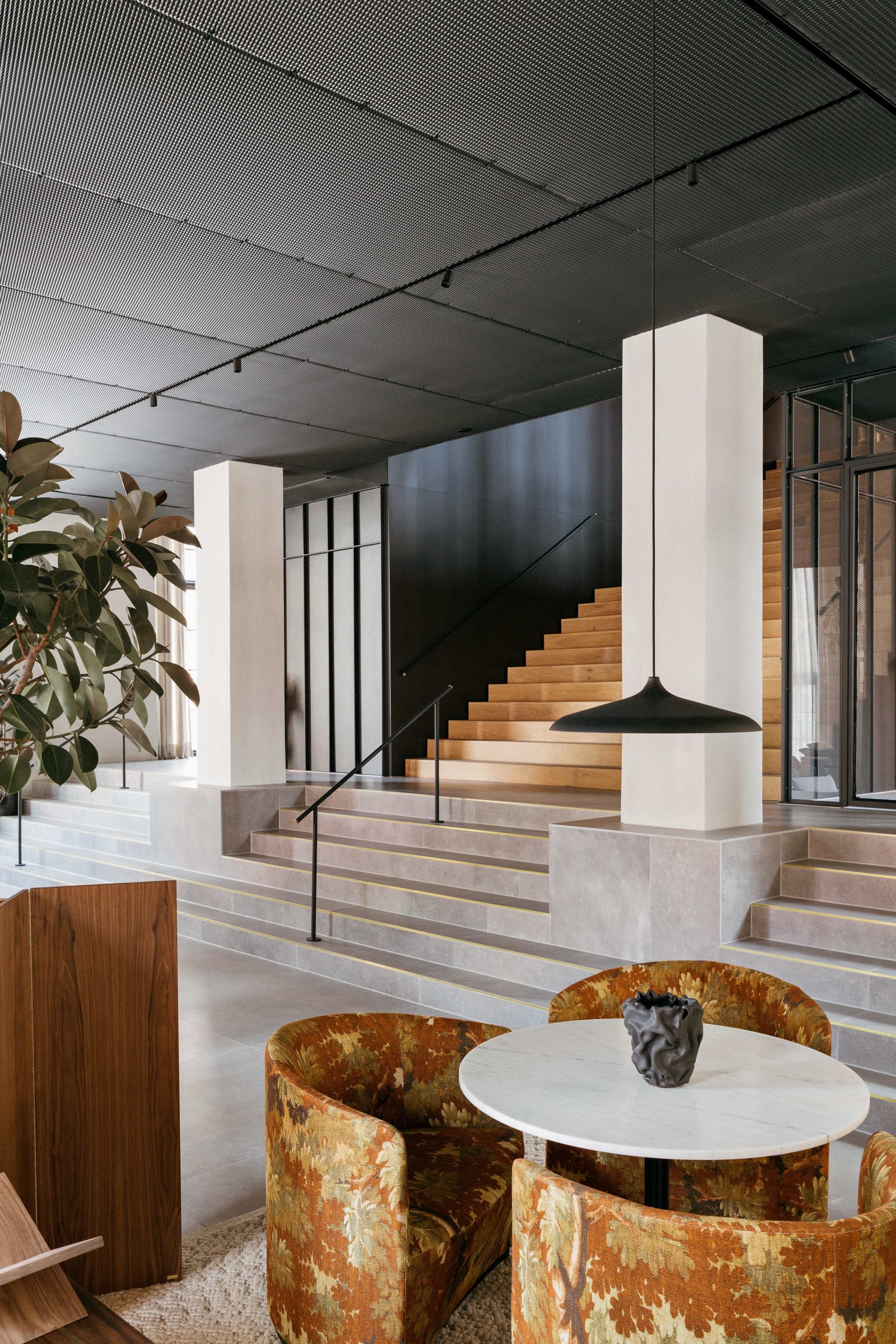
But another factor in the international success of Copenhagen’s restaurant scene is the interior design, defined down to the smallest detail by renowned designers: from the waiters in purist clothing that allows no jewellery to the table setting, which designers may well spend a good year perfecting. And with the first bite you will have understood: this is about nothing less than the essence of things.
More stories








GET IN TOUCH