
Style
What clothing reveals about us
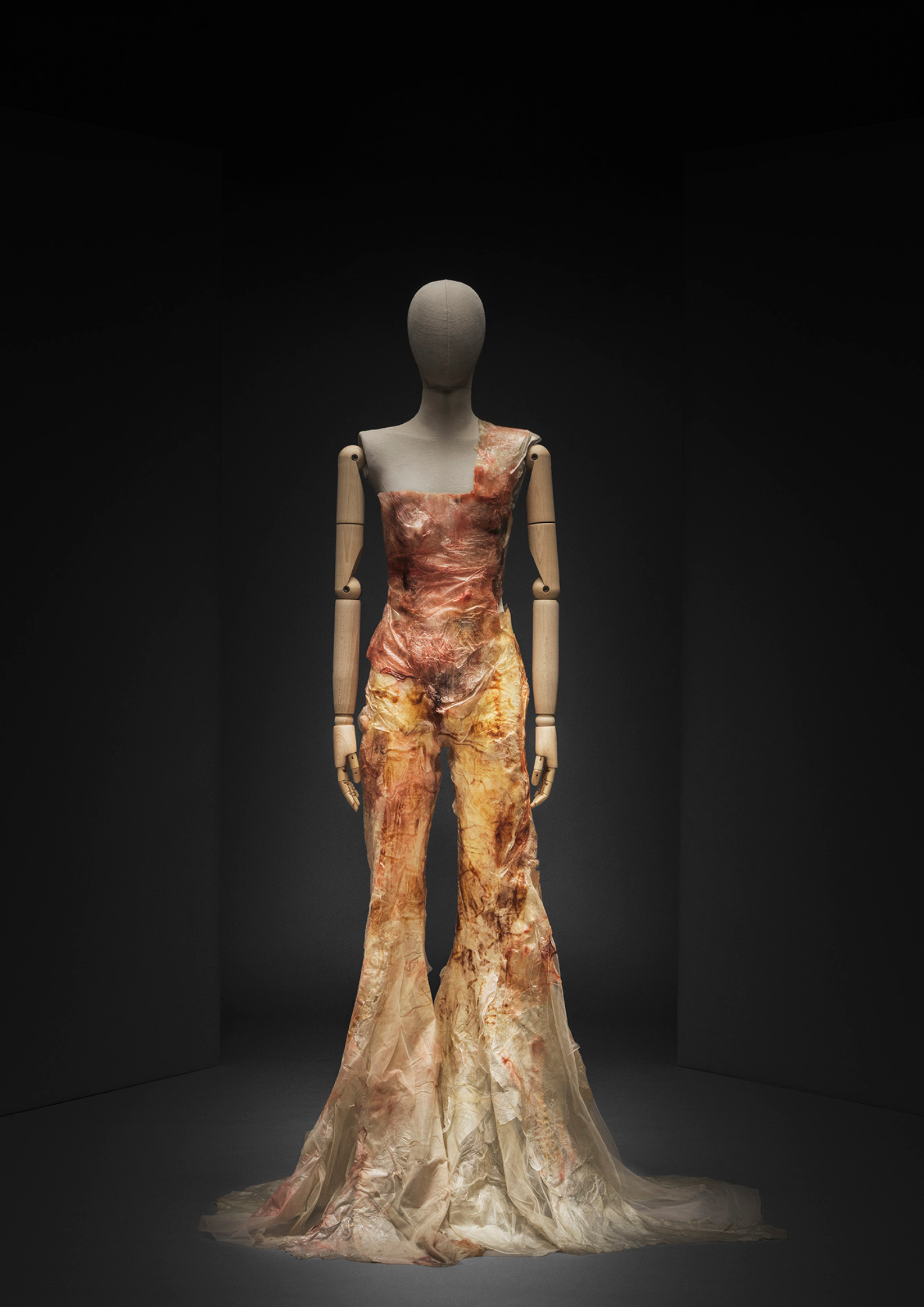
Before we have said a word, other people have already formed an opinion about us. Studies show that a first impression is formed within a few seconds – often even in less than a second. Clothing plays a decisive role in this. It is far more than protection or a fashion accessory. It is communication.
Text Redaktion Photos Massimo Gardone/Fondazione ITS, Joost Vandebrug
Clothing is non-verbal communication
Every day, people make countless decisions within seconds. In doing so, our brain works with what are known as heuristics – mental shortcuts that help us assess situations quickly. The clothes of the person facing us provides a wealth of information. Consciously or unconsciously, it conveys clues about personality, status, self-confidence or belonging.
A perfectly fitting jacket signals something different from a hoodie. Muted colours have a different effect from bold patterns. High-quality materials tell a different story from fast-moving trends. The fascinating insight: these messages often arise without our actively noticing them.
Why first impressions are so hard to change
Psychologists speak of the primacy effect. Information we receive first shapes our later perception particularly strongly. Once the impression has taken hold that someone seems competent, stylish or self-assured, we automatically interpret much of the later information through this lens. This also explains why a first appearance at a client meeting, a job interview or a networking event can be so decisive. Clothing does not replace competence – but it creates the setting in which competence can be perceived at all.
Style does not begin in the wardrobe
Many people equate style with fashion. In fact, they are two different things.
Fashion follows trends.
Style follows personality.
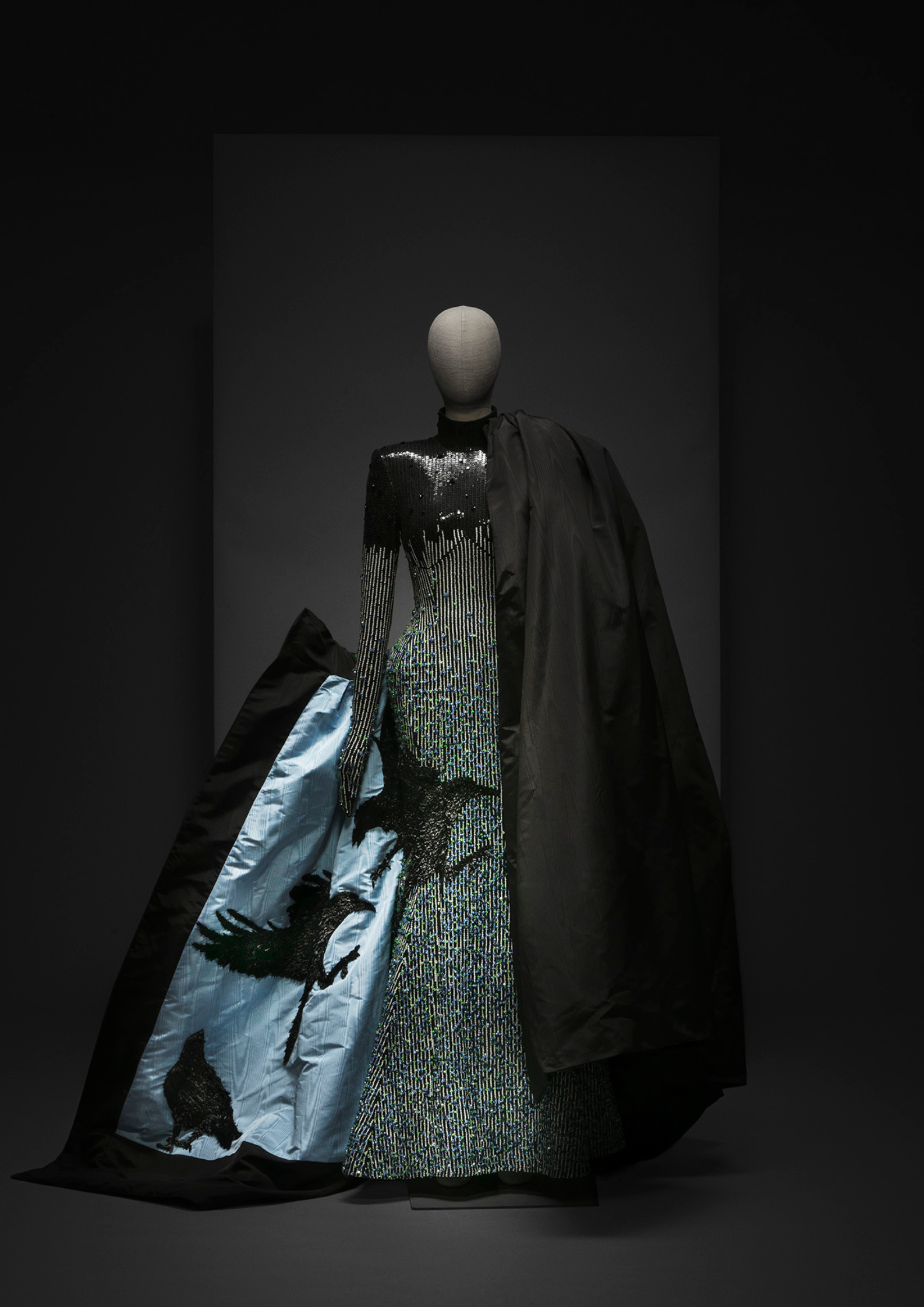
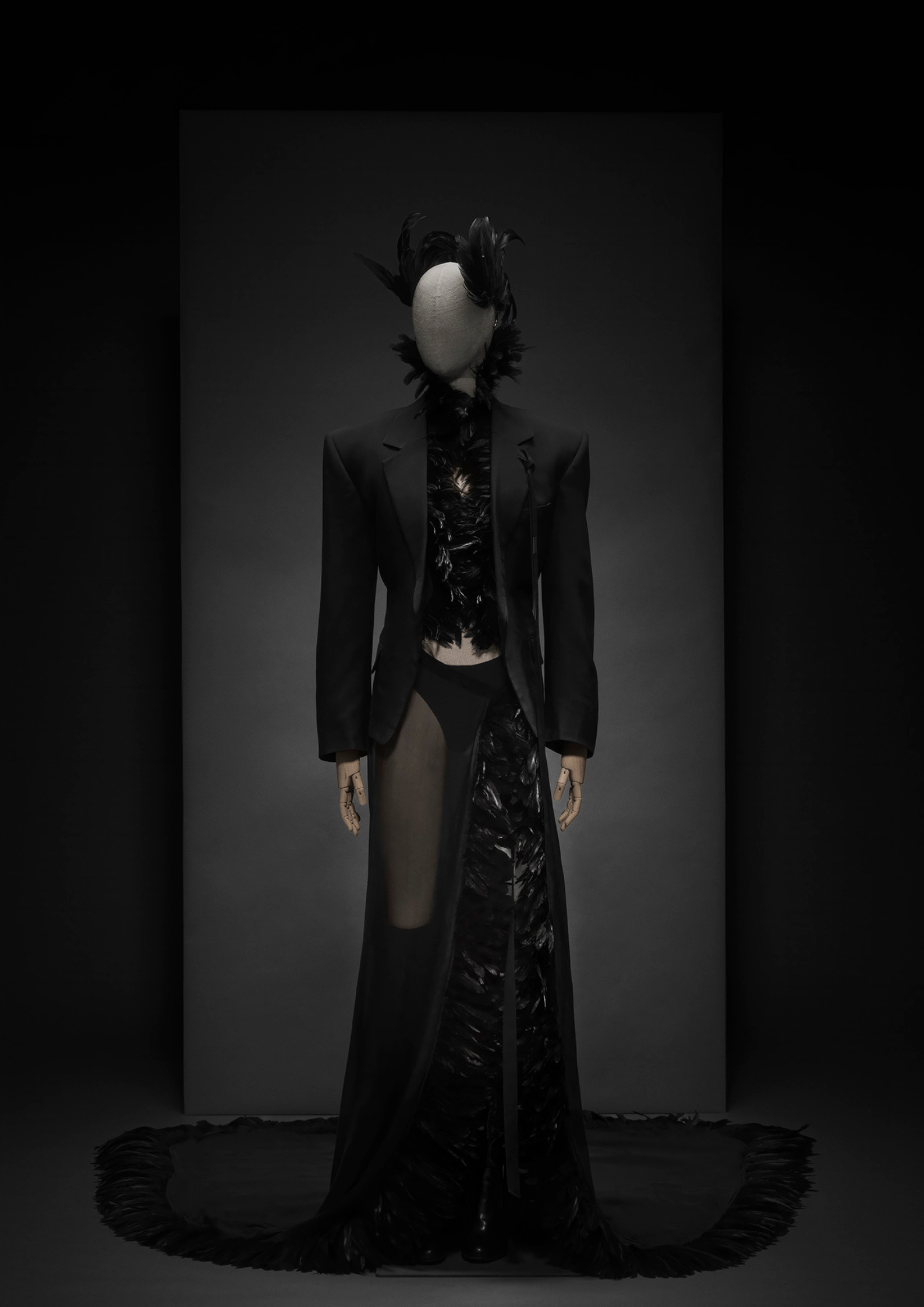
A good look is therefore not created by buying as many current collections as possible. What matters far more is finding clothing that suits your own presence and supports the message you want to convey.
That is exactly why successful public figures often work with stylists over the long term. Not to keep buying new outfits, but to develop a consistent visual identity.
Personal branding begins in front of the mirror
Especially in the age of LinkedIn, Instagram and video conferences, the way we come across is more important than ever. Entrepreneurs, executives and creatives are constantly in the spotlight – online as well as offline. The question is therefore no longer whether we have a personal brand.
The question is what impression this brand leaves. Clothing becomes a tool of personal branding. It helps to make values visible and to create recognition. Steve Jobs in a black turtleneck, Giorgio Armani in a navy T-shirt or Anna Wintour with her iconic sunglasses show how strongly style can become part of one’s identity.
Style remains when trends disappear
Trends come and go. Style remains. Those who have found their own style do not need a constantly changing wardrobe. They recognise which cuts, colours and materials suit their personality and develop an unmistakable signature from them.
Therein lies the real strength of fashion: it allows us to tell, without words, who we are – or who we would like to be. A first impression is formed in seconds. Whether it becomes a lasting impression is not decided by clothing alone. But it often opens the conversation before the first word is spoken.
More about the people behind the great looks
This article explores how style, clothing and personal impact interact and why a convincing appearance goes far beyond current fashion trends. Celebrity stylist Tom Eerebout is one of the most sought-after names in his field internationally and shows how individual personality can be made visible through fashion.
And if you would like to learn more about the creative work of Tom Eerebout: in the current summer issue of THE FRANKFURTER we meet the celebrity stylist for a personal conversation – complemented by selected stories from fashion, business, travel and lifestyle.
More stories








GET IN TOUCH