
Art
CULTURAL INCUBATOR - WELTKULTUREN MUSEUM
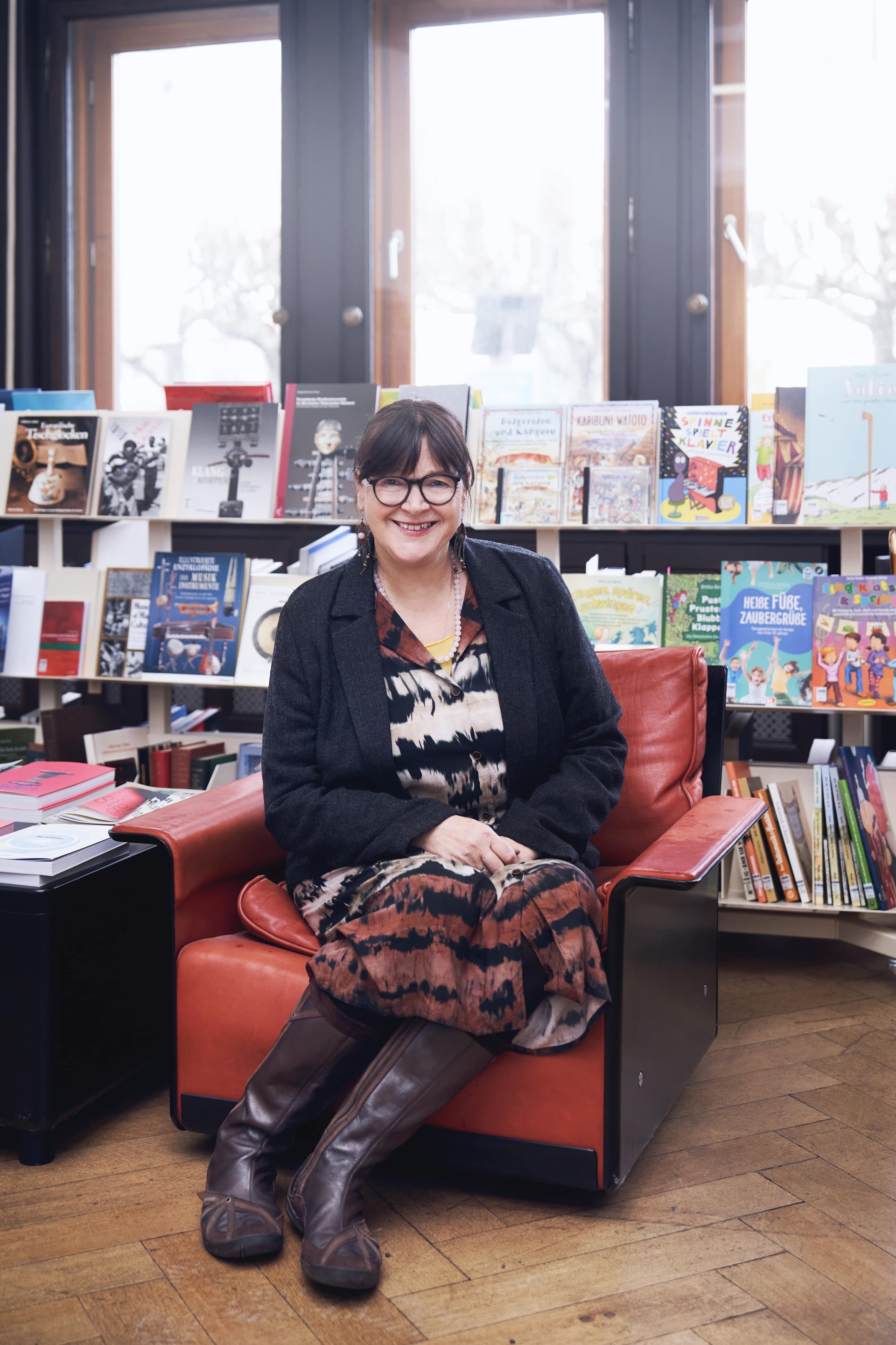
The Weltkulturen Museum is getting a new director. The newcomer can look forward to the museum’s experimental and interdisciplinary view of indigenous cultures and non-European societies. Acting director Mona Suhrbier showed THE FRANKFURTER around the museum.
Text Dr. Jutta Failing Photos Betti Klee GmbH
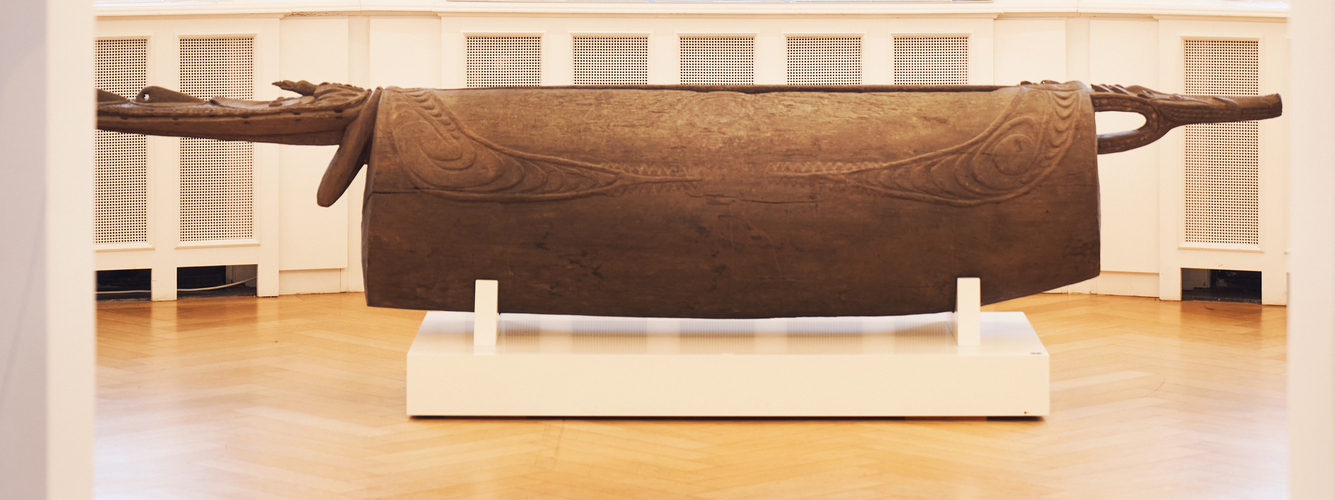
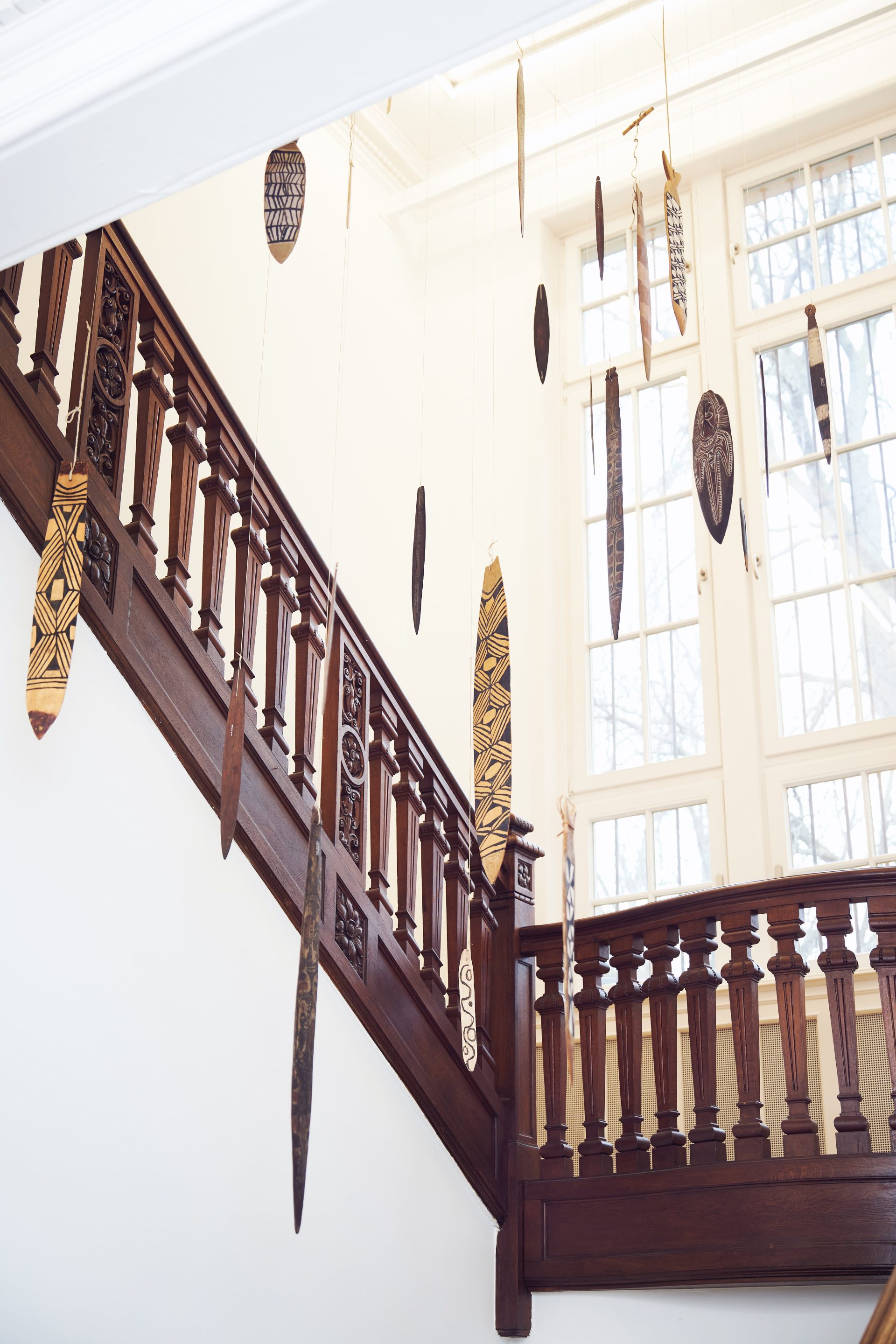
Every step creaks on the parquet. A venerable carpet of sound that accompanies us through the three villas on the Schaumainkai that house the Weltkulturen Museum. Founded in 1904, at that time in a different location, the museum is a research centre with a unique collection of 69,000 artefacts from all parts of the world. A huge picture archive, a collection of historical and contemporary films and a reference library of 60,000 books – which also includes children’s books from all over the world – are part of the museum. Ethnological research, contemporary artistic practice and experimental approaches to education and outreach distinguish the museum, which is run by the City of Frankfurt. There is no permanent exhibition; instead, every nine months there is a new show, a new theme, new regions of the world in focus. The villas opened to the public in 1973. The oldest dates from 1844. How class-conscious life in them once was is shown not least by the two staircases in number 35, one for the masters, one for the servants.
BLESSED WITH POPCORN
A few years ago, in number 37, the Afro-Brazilian artist Ayrson Heráclito demonstrated rituals of Candomblé, an important national religion in Brazil, in an exhibition of contemporary art from South America, and “cleansed” the high-ceilinged rooms in a performance using bunches of leaves from a sacred plant. In his works, Heráclito criticises slavery and racism. Millions of slaves from Mozambique, Congo, Senegal and other states on Africa’s west coast were abducted to Brazil from the 16th to the 19th century. Visitors to the show could be ritually cleansed by him; he brushed popcorn over their bodies. “The queue was very long,” recalls ethnologist Mona Suhrbier, long-standing curator at the museum. At the time of our visit she is acting director; a new director is due to arrive this year. Suhrbier herself retires in 2025. “In 2017 we were the first to show Heráclito’s complete work. After the Venice Biennale and venues in the USA, he is now in great demand.” Not the only career boost to have come from the Frankfurt museum. Suhrbier, for instance, was the first to present indigenous Brazilian rap groups, making them known internationally.
SHADOW OF COLONIALISM
Mummies? Mona Suhrbier firmly rejects the idea: “We don’t have ‘human remains’. If anything, they might have gone to the Senckenberg Museum. Much of our collection comes from contexts of power and religion, but there are also numerous everyday objects. A broad field.” The debate about the return of cultural property, or “looted property”, is also taking place in Frankfurt. “The museum came into being during the German colonial period. At first the collection was called the ‘Völkermuseum’, then the ‘Völkerkundemuseum’ after the name of the academic discipline. The museum has more than 50 metal, wood and ivory objects from Benin. When and under what circumstances they entered the collection of the ‘Völkerkundemuseum’ was investigated by a provenance research project funded by the German Lost Art Foundation, which traced the complex ownership behind the objects,” explains Suhrbier. Like other German collections, the museum is committed to critically examining colonial contexts. In 2021 a historic buckskin shirt belonging to a political leader of the Teton Lakota was returned to his descendants. “Among Frankfurt’s collectors of the early 20th century – and this is a recent and surprising finding of our provenance research – there were also politicians and city councillors.”
The Weltkulturen Museum sees itself at the interface between ethnology and art.
— Mona Suhrbier
500 SQUARE METRES MORE
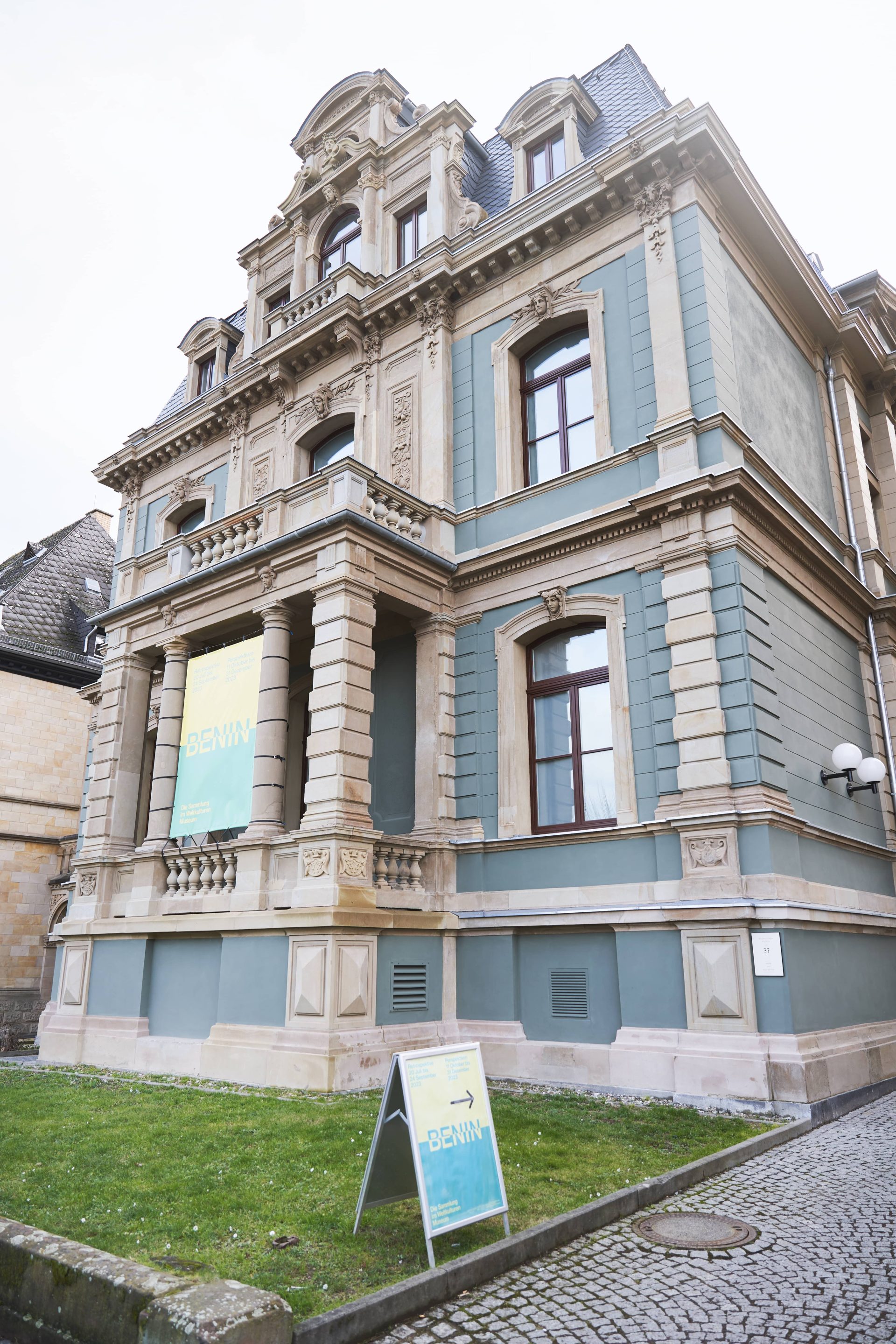
The façade of number 37 has just been renovated. The other buildings will soon follow. New roofs and rewiring are planned. The villas and the adjoining coach house are beautiful, but old. Their history has been researched; two of the villas were in Jewish ownership. Inside, there is a lack of space. Plans for a new building have failed time and again. “We urgently need a lecture hall,” says Suhrbier in the wood-panelled room, which holds a maximum of 60 people. “The Book Fair would like to hold readings here, and young international filmmakers approach us too, but the room is simply too small.” A ray of hope is a planned branch in the banking district. From 2027, the collection will have an additional exhibition space of around 500 square metres on the second floor of the historic old building of the “Neue Mainzer Straße” high-rise project. Mona Suhrbier sees the need: “There the museum will be technically more up to date. In the three original villas we lack air conditioning – which makes loans from the Städel Museum, for example, impossible – and step-free access.”
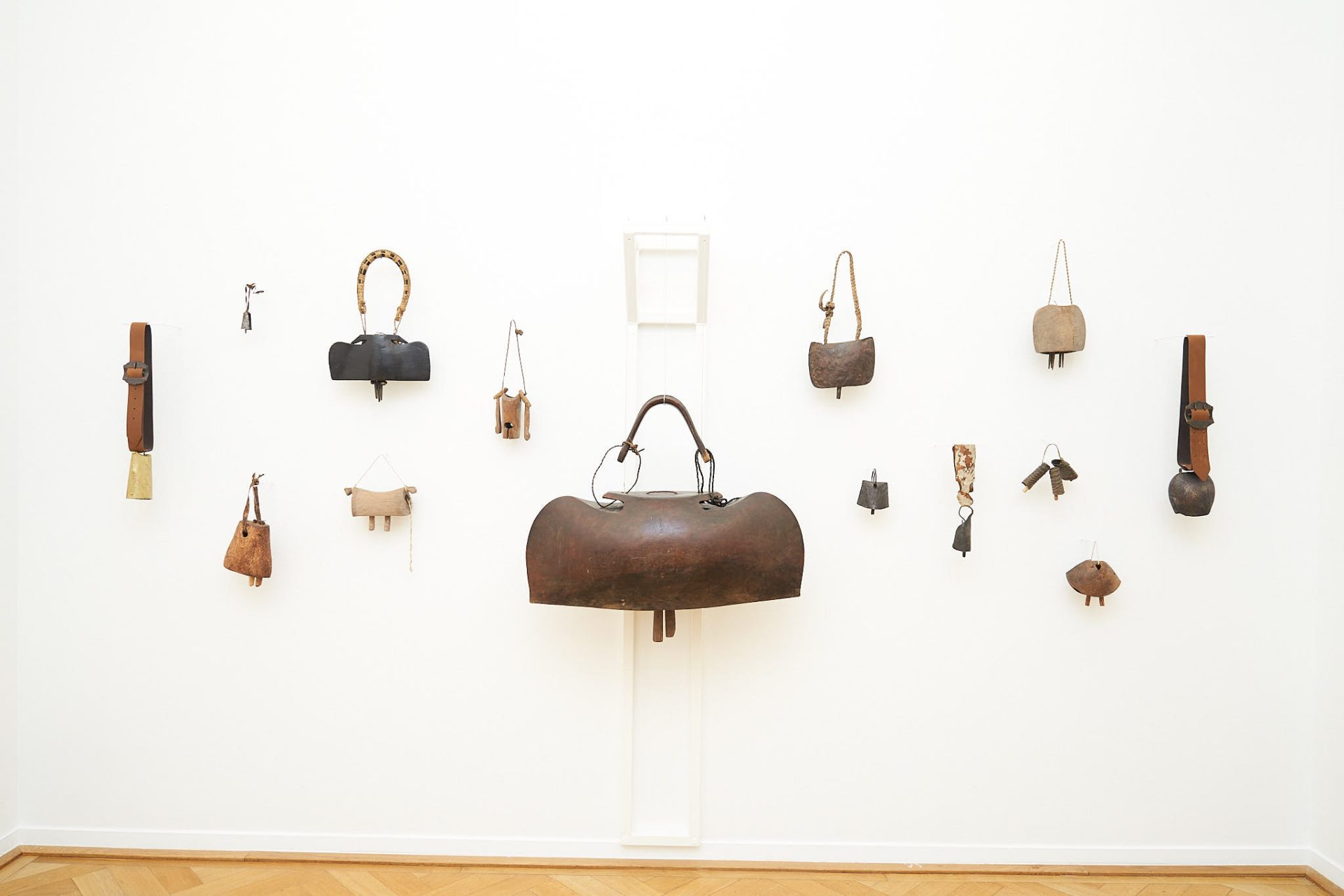
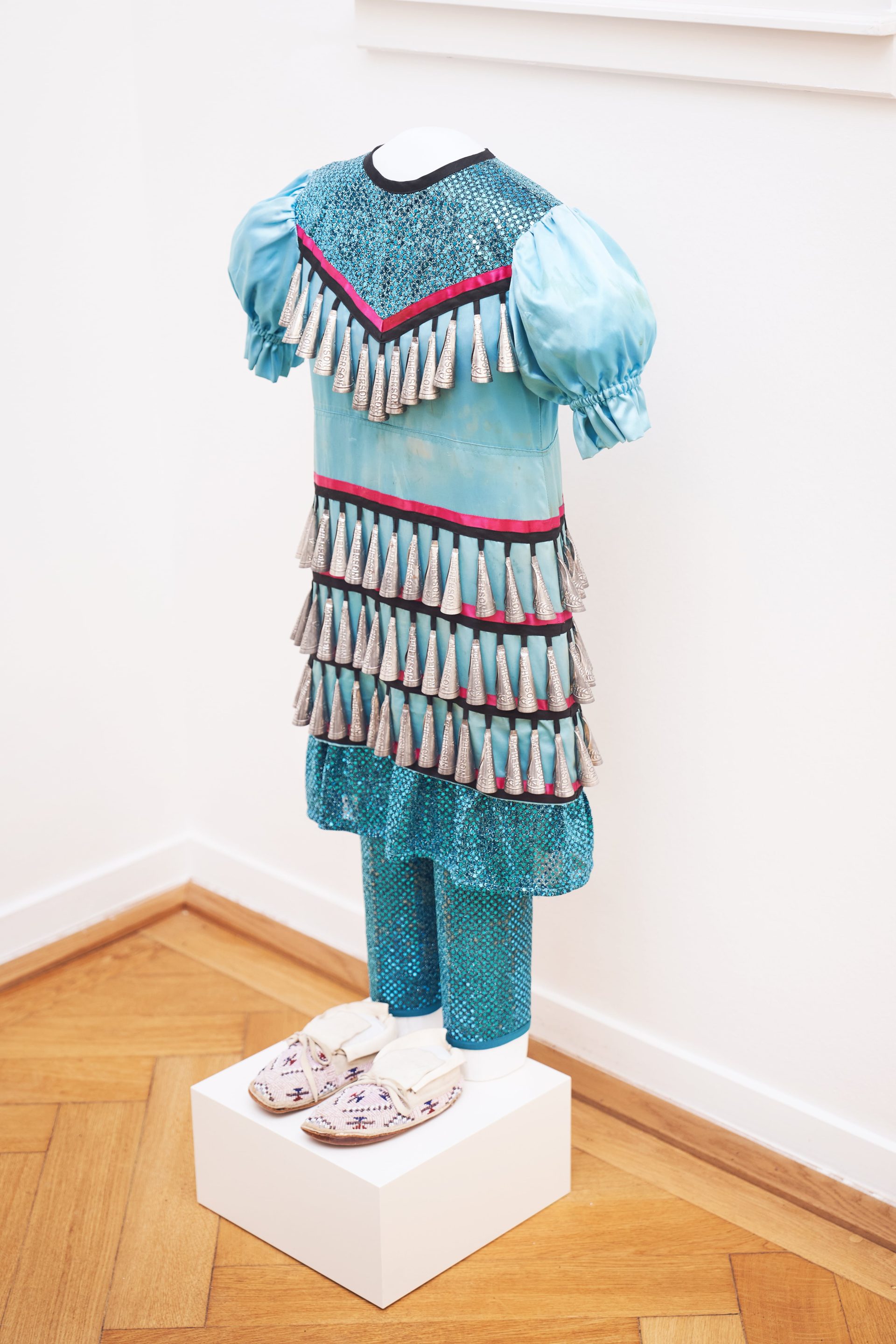
“WHO SPEAKS – AND FOR WHOM?”
The view of “foreign, distant” cultures has changed fundamentally since the museum was founded 120 years ago. One-sidedness and egocentrism are out. Mona Suhrbier: “For a long time it was customary for ethnologists to speak for others. Today the ‘others’ speak for themselves. That means indigenous communities and artists speak for their own cause. Active exchange with partners from indigenous cultures and non-European societies is important to us. In June, for example, we are hosting a large group from Bolivia who want to work with our collection.”
The museum’s experimental approach is evident in its exhibitions, even in the smallest of spaces. Captivating impressions for eye and ear. The connection between modern lifestyle and ethnology. Shamanic healing chants that make vibrations visible on water. Looted, or rather “appropriated”, bronze heads from the Kingdom of Benin (today Nigeria), with which young Nigerian multimedia artists enter into dialogue through their works. This autumn a show on Australia opens, with indigenous curators involved in its concept. “Ethnology is often unwieldy; it needs an approach that has to do with our lifestyle,” says Suhrbier. Anyone who visits the museum can see that it succeeds in making its subject accessible in an exciting way.
More stories








GET IN TOUCH