
Business
CHRISTOPH MÄCKLER AND THE BEAUTIFUL CITY
Christoph Mäckler combines functionality and aesthetics in architecture. Read how he shapes cities to be lively, diverse and liveable.
Text Martina Metzner Photos Nikita Kulikov, Mäckler Architekten, Rainer Taepper, Fraport AG, DomRömer GmbH
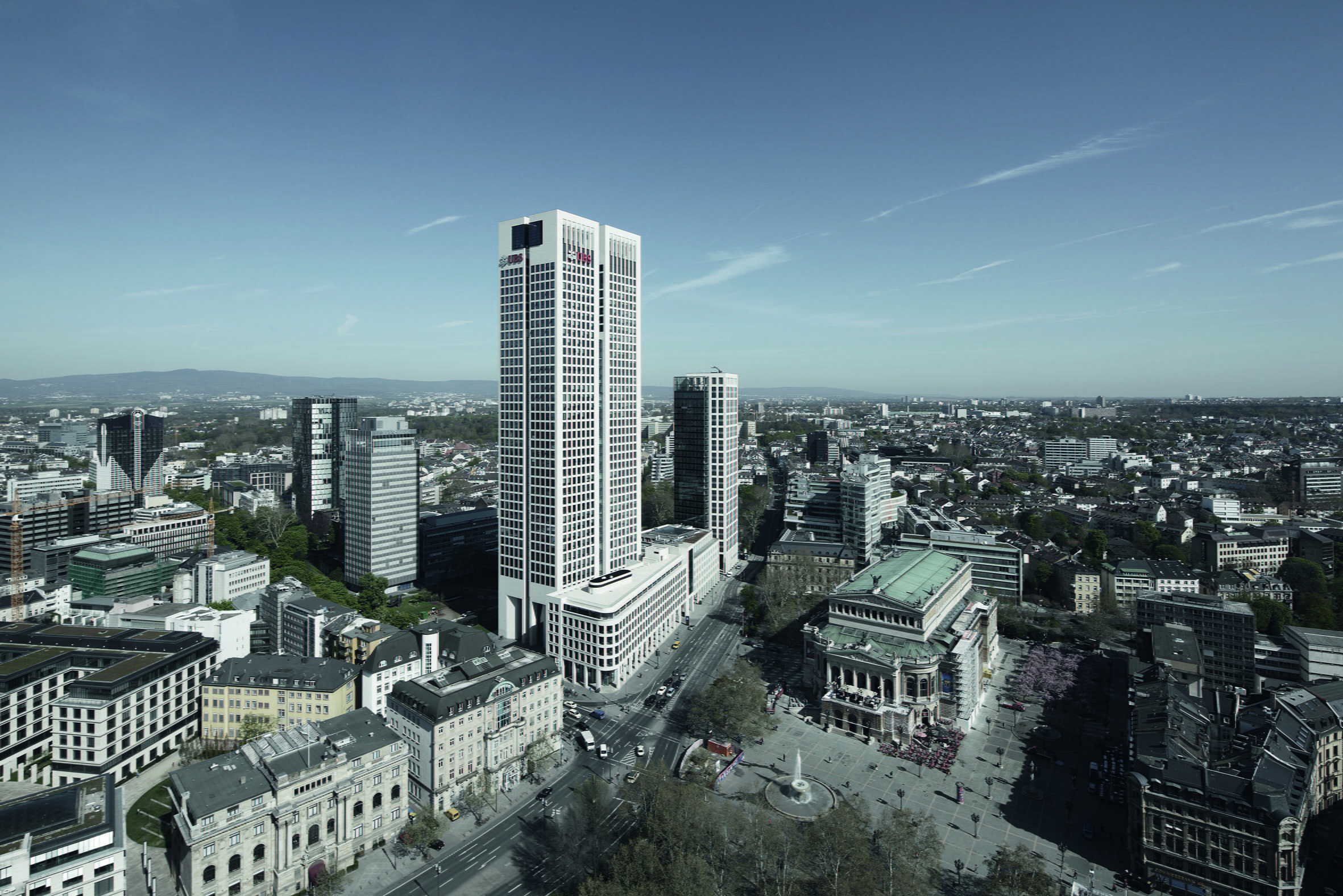
Christoph Mäckler, architect and urban planner, stands for lively, aesthetically pleasing cities in which work and living go hand in hand. His approach unites functionality with beauty and is built on diversity, quality and dialogue.
The Vision of Christoph Mäckler
Christoph Mäckler, one of Germany’s leading architects and urban planners, masterfully combines aesthetics and functionality in his work. With an eye on his home city of Frankfurt and far beyond, he argues for liveable cities in which people from different social backgrounds can live and work side by side. “I am an architect, and a committed one at that, but not an ideologue!” he says of himself.
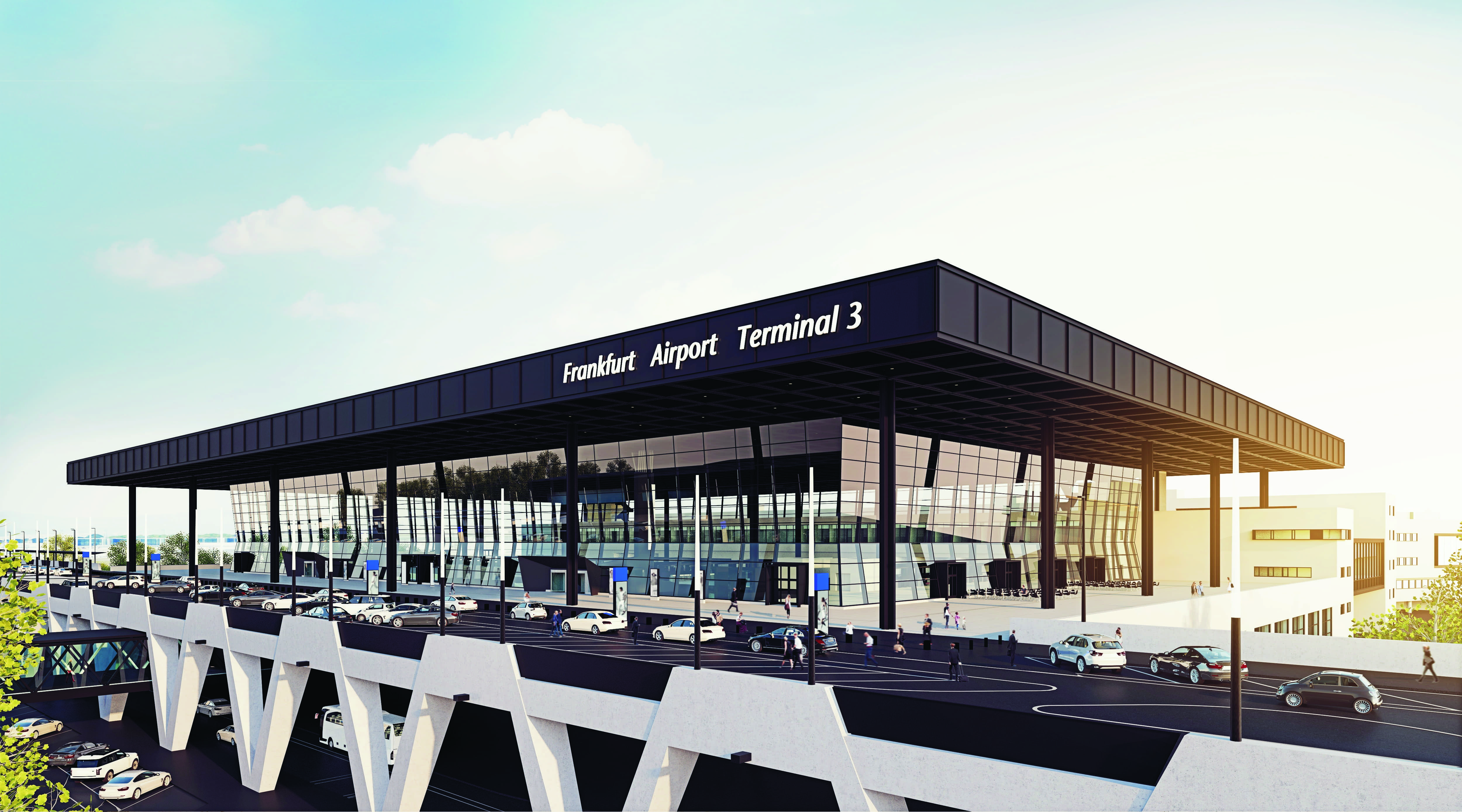
His passion for architecture can be felt not only in his buildings but also in his numerous publications and his commitment to better architectural education. He sees his Institut für Stadtbaukunst, founded in 2008, as an important contribution to bringing together the disciplines of architecture, urban planning and urban development.
What makes a beautiful city?
For Christoph Mäckler, a beautiful city is above all one thing: lively. “Beautiful cities are alive day and night. That means people don’t just live in them, they work in them too.” This liveliness is reflected in well-designed streets and squares that invite people to linger and in which people from different social strata can feel at home.
Mäckler criticises the reduction of urban design to purely social or functional aspects, as became common in the 1960s and 1970s: “People were taught how to draw up development plans and organise public participation, but not how to design a street façade.” He calls for a holistic education that brings planning and design together.
The Importance of Reconstruction
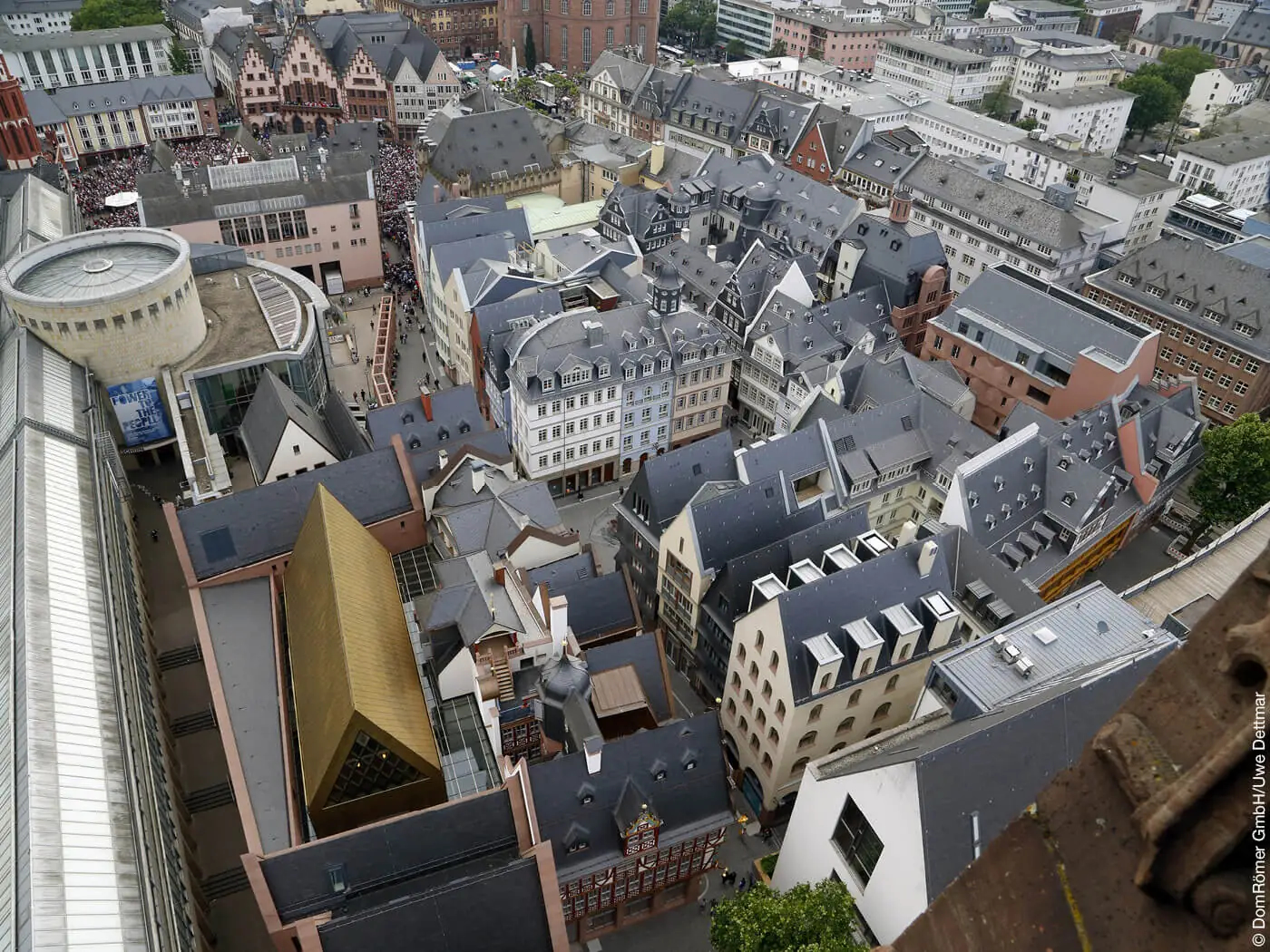
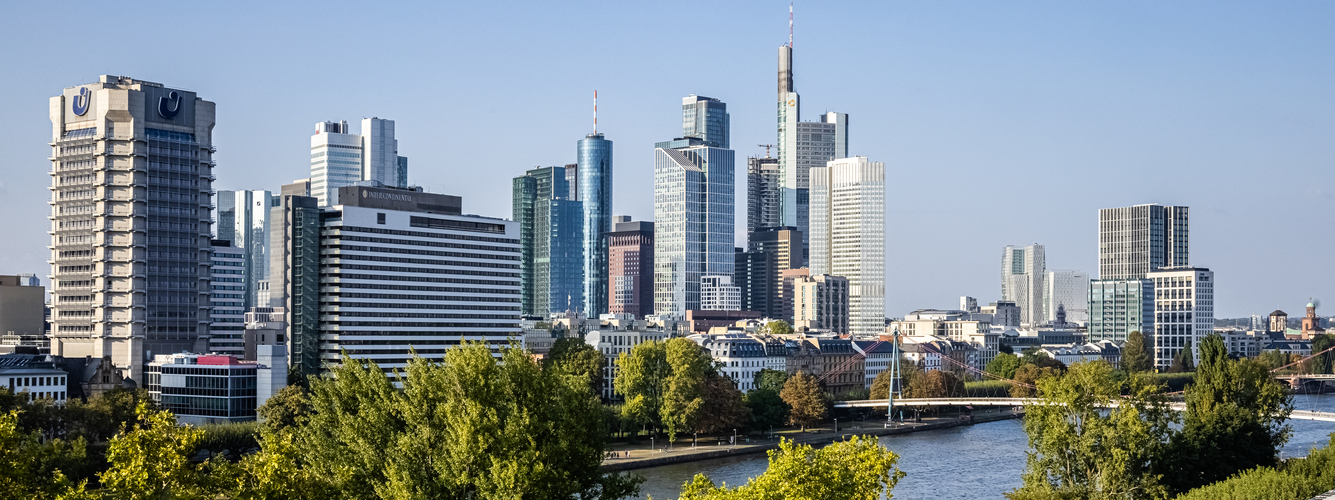
Mäckler sees the longing for the reconstruction of historic districts as the expression of a deep need for social cohesion: “People associate old places with social cohesion. Old cities have greater density, a mix of functions and well-designed public spaces.” He regards projects such as the DomRömer redevelopment in Frankfurt as a model for how modern and traditional building can be successfully combined in the 21st century.
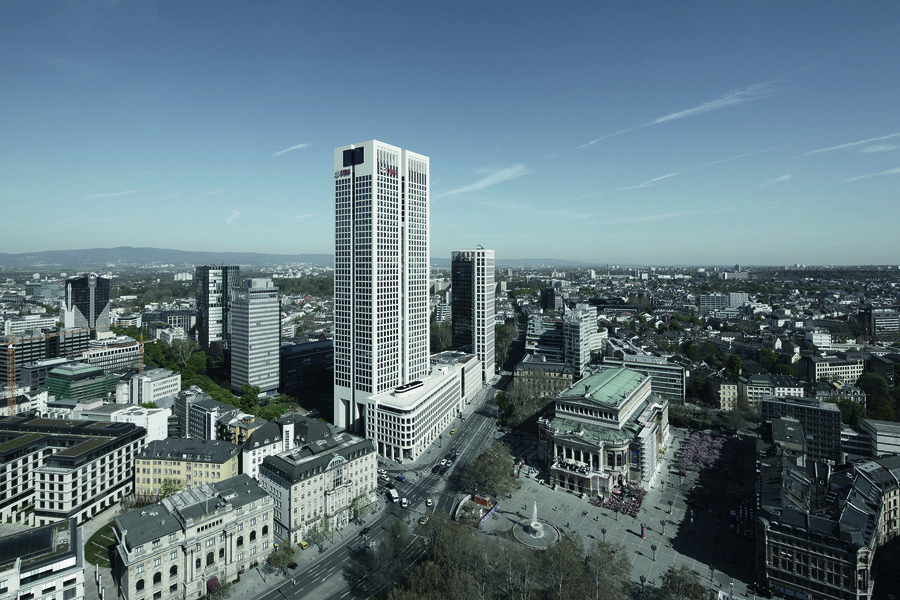
Beautiful cities are alive day and night. That means people don’t just live in them, they work in them too.
— Christoph Mäckler, architect and urban planner
What is Stadtbaukunst?
Stadtbaukunst, the art of city building, is, according to Mäckler, the unification of the various disciplines concerned with shaping cities. “The disciplines of architecture, urban planning, spatial planning and transport planning, which have drifted apart in recent years, are to be reunited through Stadtbaukunst.” This integrative concept aims to make cities not only functional but also aesthetically appealing and socially vibrant.
Changes in Local Politics
Asked what needs to change in local politics to move cities such as Frankfurt forward, Mäckler answers clearly: “A mayor must have more powers.” He regards the Hessian municipal constitution as an obstacle. At the same time, he praises projects such as the DomRömer redevelopment, in which politicians actively exerted influence to create an authentic urban quarter. “What emerged here is a district that serves as a model, combining modern and traditional building.”
More stories








GET IN TOUCH