
Style
CELEBRATE LIFE
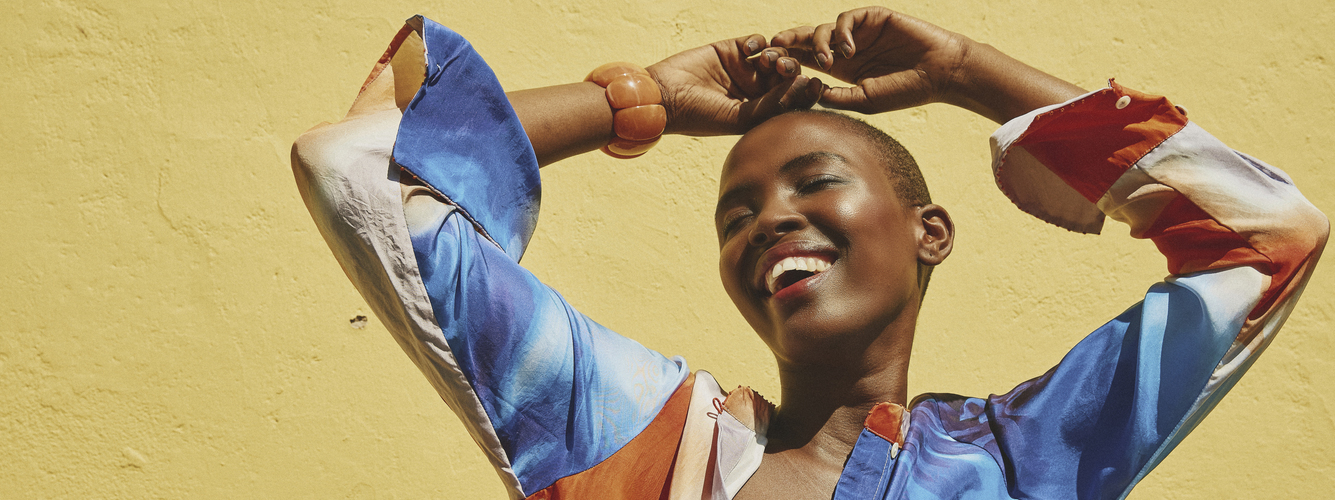
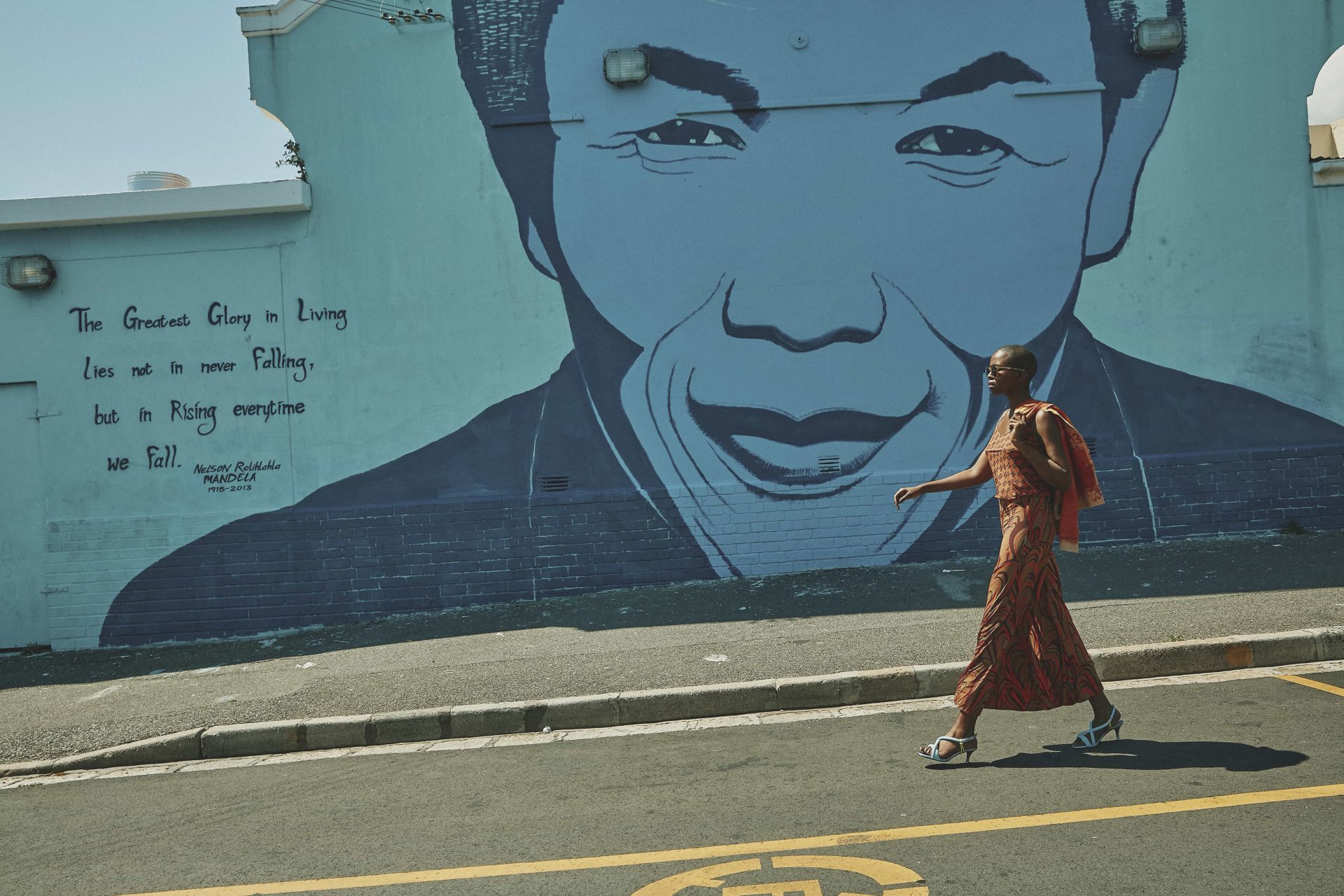
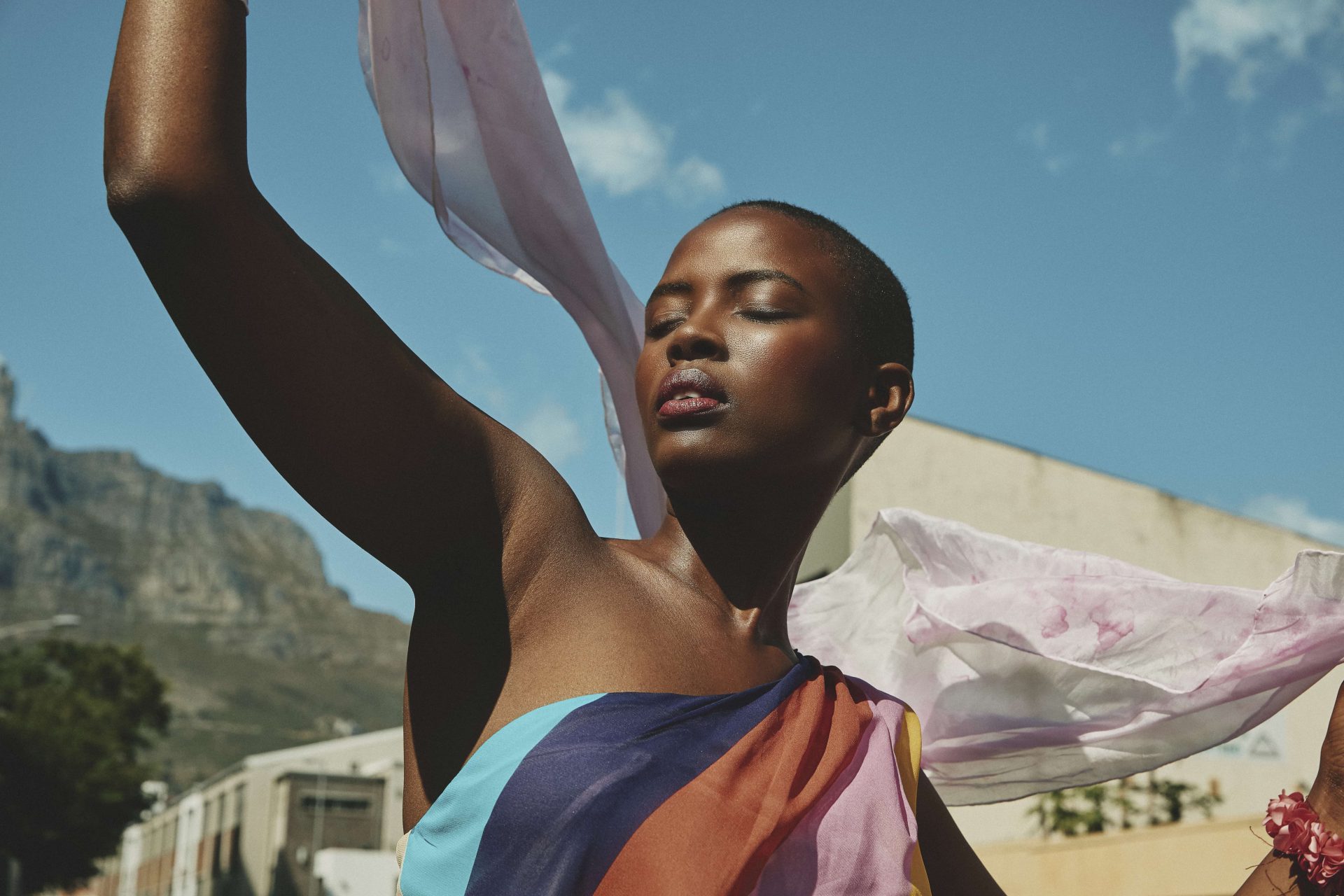
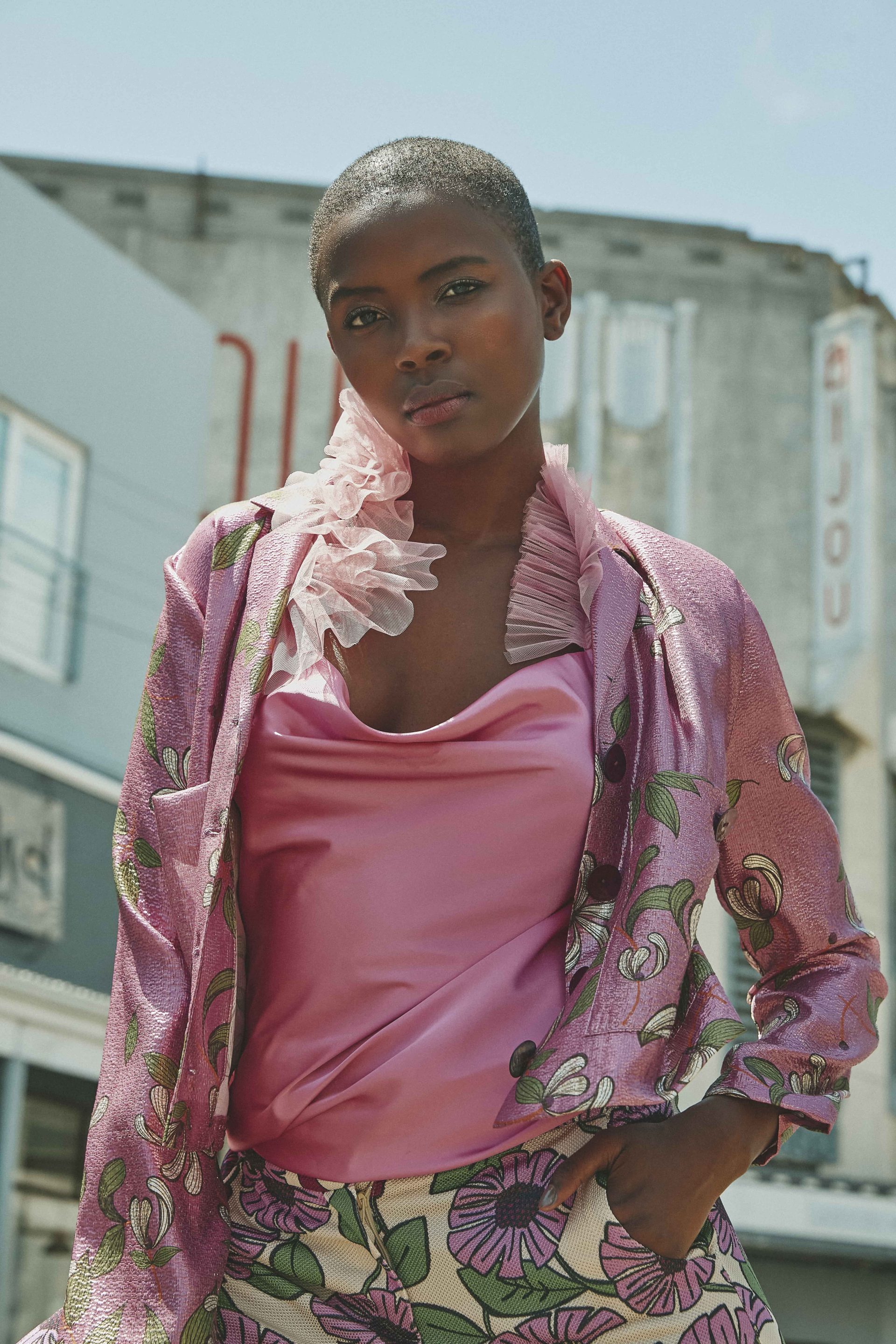
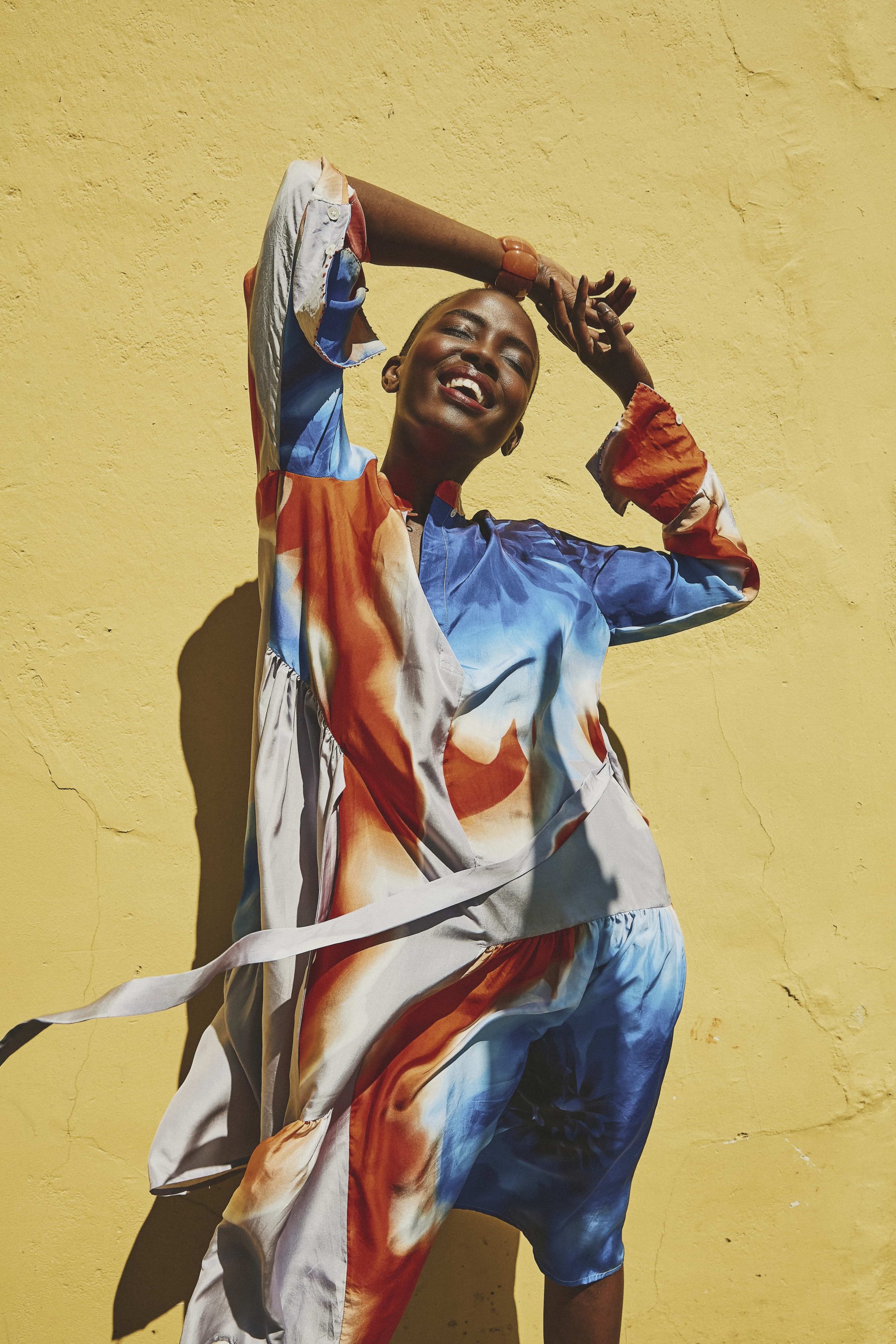
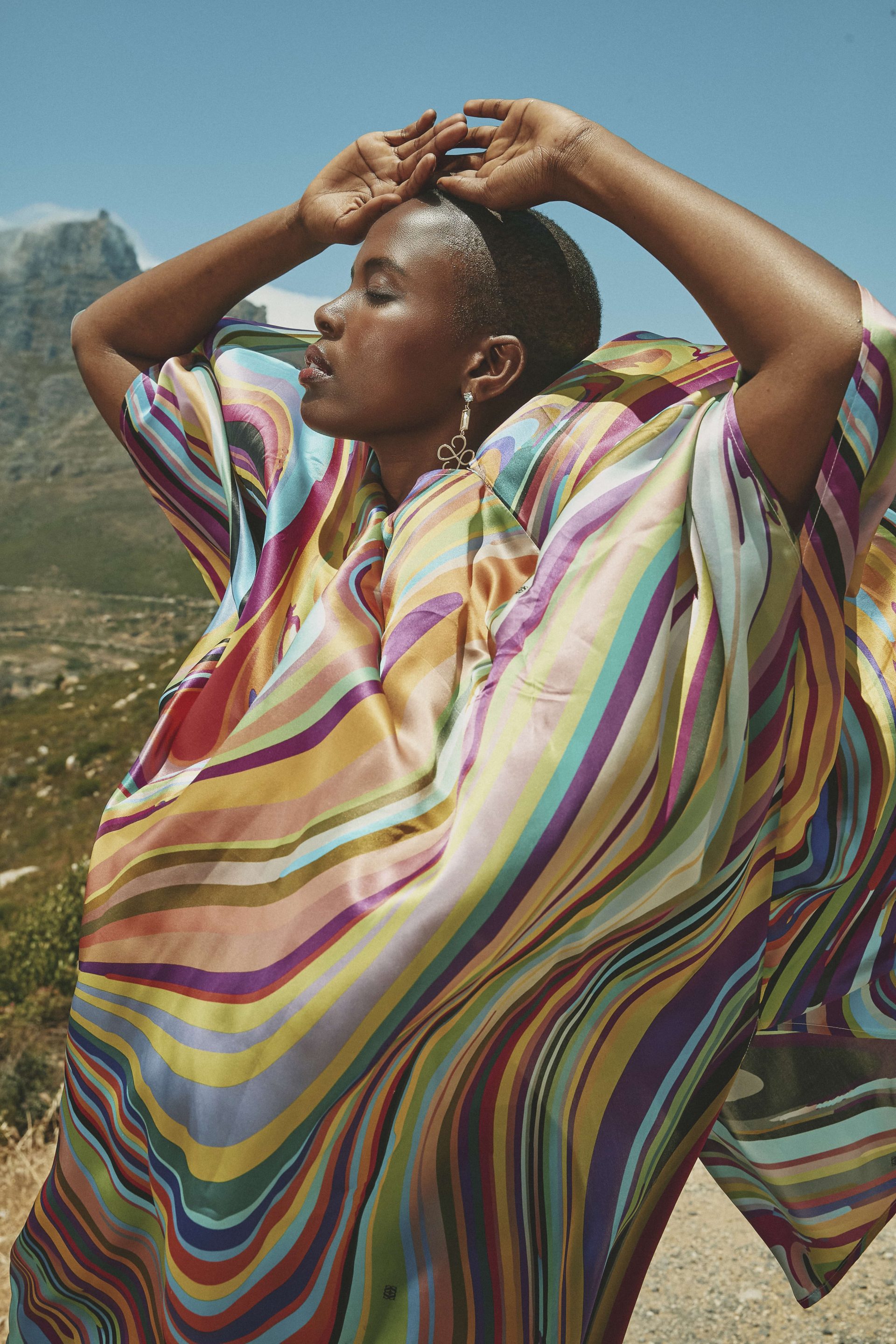
Let’s celebrate life and water! Ask models what makes them so beautiful and the answer is: drink lots of water! Sadly, the hydration of our skin has little to do with drinking water. And yet: water is life. We celebrate that with a cover story in the water-conscious metropolis of Cape Town.
Text Dr. Jutta Failing Photos Knut Wörner
We consist of around 80 per cent water. That is why drinking is vital. How precious water, and above all drinking water, really is becomes clear, if not before, when it is rationed. Five years ago, Cape Town was in danger of becoming the first major city in the world to run out of drinking water. Only the strictest water restrictions prevented “Day Zero” – the day without drinking water from the tap – from arriving. Among other things, water pressure throughout the city was reduced so that less water came out of the taps. Soon residents could only get water from public collection points. Today you are reminded everywhere of the need to save water, in hotels and in restaurants – all the more so at the end of every summer, when water becomes scarce in South Africa and especially in Cape Town. Many large hotels are making themselves more independent with their own desalination plants. Since the “Day Zero” water crisis, people have become more aware, for example of the existing waterways that wind through the city in rivers and canals. These are habitats that were exposed to extreme pollution in the past but now, thanks to local communities and science, are far more highly valued as ecosystems with good water quality.
HOLY SPRINGS
Water has always been revered and celebrated. Every culture has its holy springs, wells and rivers. Even today we throw coins into the magical waters as offerings for wishes fulfilled or yet to be fulfilled – at the Trevi Fountain in Rome, up to 4,000 euros are collected this way every day, all of which goes to the Roman Caritas. In the 19th century, mineral water was “discovered” and marketed as a drinking cure; at first, Hessian “Selterswasser” in stoneware bottles was shipped all over the world. In Bad Salzhausen in the Wetterau, the Giessen chemist Justus von Liebig discovered the healing power of the brine springs. In Bad Nauheim, the Celts were already exploiting the saline springs. In this way, too, water made people rich.
HOME RIVER
Frankfurt am Main. Our river is a trade route, museum embankment, sports course and lifeline all in one. A magnet for people. In August, Frankfurters will once again celebrate their Museumsuferfest, which would be only half as much fun without the river. Sadly, since 1963 it has not frozen over completely, so there has been no more merry ice skating. Every now and then the Main shows its claws; there have been bad floods again and again in the city’s history. The record stands at seven metres above normal level. In 1342 the floodwaters reached the roof of the Dreikönigskirche in Sachsenhausen. The water that comes out of Frankfurt’s drinking and service water pipes has come a long way. Most of the water needs of the Frankfurt Rhine-Main region are met from groundwater reserves in the Hessisches Ried and the Vogelsberg (from the latter for more than 150 years). Environmentalists are protesting ever more loudly against this “overexploitation”. The more frequent and longer periods of heat and drought must raise awareness of this precious resource, that much is certain.
FUTURE IS LIQUID
Water is a human right. We are called upon to value water more highly as a natural and cultural asset and to recognise its quality as we do that of champagne. After all, both have small, sparkling bubbles – mineral water and brut under the cork. Only with water is life a lasting celebration, and champagne a beloved topping that one need not do without. To top it all – in the truest sense of the word – water has a relative and vital companion right inside us. Blood. Thicker than water, as the saying goes. Blood is life. And blood is already in critically short supply. In Germany only around 3 per cent of people donate blood regularly, and the trend is downwards. Yet a unit of blood is needed every seven seconds. We know the future is liquid:
Honour water, donate blood!
Impressions

More stories








GET IN TOUCH