
Style
BODY POSITIVITY – INVEST IN YOURSELF
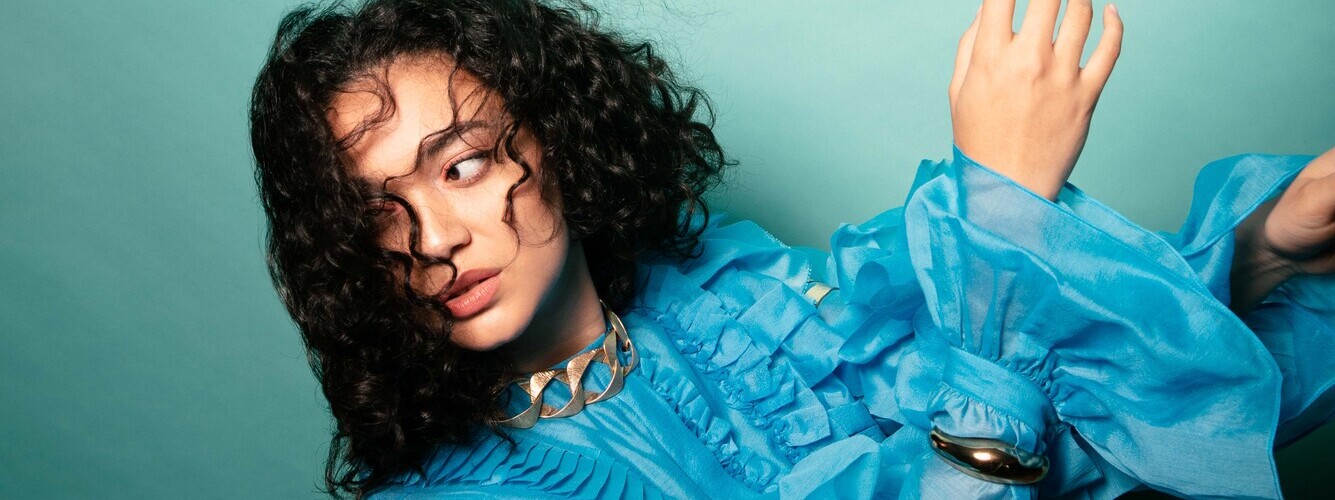
Our own body – always a source of doubt or self-confidence. Never before have people unhappy with their shape been able to have so much about themselves altered. What the beauty industry and cosmetic surgery offer is virtually endless. At the same time, a look at the “new beautiful” creates different ideals: everyone is talking about body positivity. Will the future mean acceptance and tolerance instead of scalpels and beauty treatments?
Text Heike Katharina Klauer & Dr. Jutta Failing Photos Knut Wörner
 Play video
90-60-90
A beautiful person is slim and completely hairless. The ancient Egyptians pursued a strict ideal of beauty. The Romans, in turn, liked blonde hair, bleached with caustic liquids. In the Baroque era, rolls of fat were a social must, and later women laced themselves into dizzying corsets, thin as hourglasses. A beautiful person is also healthy, or so people believed. The post-war-boom paunch of older gentlemen was, not least, a symbol of this. “Beauty” was a privilege of the wealthy, as the painting and sculpture of past eras in Frankfurt’s museums also show us. Where nature did not match the ideal and make-up did not bring the desired result either, people helped things along with the knife. Aesthetic surgery has been known in Europe for almost 2,000 years. Today women are prepared to have ribs removed for a Barbie wasp waist. Admittedly, a rare extreme.
An excessive fitness lifestyle led Sophia Thiel into an eating disorder. “The more brutal and defined I looked, the more positive the response and the more likes I got. By then my body had stopped ‘expressing’ a healthy appetite or healthy hunger ...” And today? “I used to regard my body as an opponent, as an arsehole that was against me and that I had to subdue. Now it is my ally.”
— Sophia Thiel, fitness star and author (“Come back stronger”, ZS Verlag)
ILLUSORY WORLDS
The body positivity movement has its roots in the awakening feminism of the 19th century. Even before the First World War, young women freed themselves from the corset. Today, body positivity means treating every body with respect. It implies that every body is of equal value. And at the same time the knowledge that you cannot infer a person’s character from their body shape. Reality often looks different. Empirical studies prove it: people with higher body weight are systematically disadvantaged as early as the hiring stage. When redundancies loom, they are more likely to lose their jobs than slim people.
Am I beautiful? Criticism of one’s own body is older than Instagram, Snapchat & co. Filters and likes further increase the pressure to conform to a supposed standard of beauty. It is thanks to the body positivity movement that these often unrealistic norms are being questioned. But: do we now have to love our “flaws”, our love handles and cellulite – even if we ourselves are utterly miserable about them? That would be a new dictate, pressure once again. Self-acceptance and self-love instead of a body cult are one thing; the freedom to invest in a nose job or a skin treatment is another.

The older I get, the better I feel. I no longer fret about the little roll on my otherwise flat stomach that shows when I sit – a legacy of the pregnancies with two healthy children. When I was a model in Paris, I had starved myself thin, which wasn’t great. Today I’m more relaxed, I don’t keep looking for faults, I do a lot of sport and eat healthily.
— Katerina Gottesleben, model and photographer
SHOW-BUSINESS
“Body Love – every body is beautiful,” Heidi Klum calls out to us. For the current season of “Germany’s Next Topmodel”, the blonde American girl from Bergisch Gladbach is casting women of every age and body shape. Whereas in recent years transgender models still dazzled with ideal measurements and curvy models wore a normal size 42 at most, women with considerably more “love handles” are now also striding down the catwalk. Their competition: beauties over 50 with great figures and long grey hair, and their attractive daughters (of course – they’re in it too!)!
If someone is happily overweight and has no health problems, there is no reason to change anything.
— Dr Matthias Riedl, internist, nutrition specialist, diabetologist and author (“Die Ernährungs-Docs”, NDR)
At the same time, a film called “Wunderschön” is in cinemas, showing how women are under constant pressure to meet a certain ideal: super-mum, passionate lover for their man and highly successful at work – all of this, of course, in a maximum dress size 36, always well groomed and neatly dressed! Director Karoline Herfurth, who also plays one of the leading roles, said in an interview with the ARD culture magazine TTT: “Whenever I looked in the mirror – very early on, at 12 or 13 – I had an external image. I didn’t see myself, didn’t look at myself at all. In my head I laid a template over myself and saw the places that didn’t fit. In fact, whenever I looked in the mirror I was always preoccupied with what wasn’t right and what was wrong.” The topic is omnipresent. But isn’t it still women who struggle with themselves and their bodies?
INTERVIEW JANA AZIZI
Jana, how would you describe your body awareness?
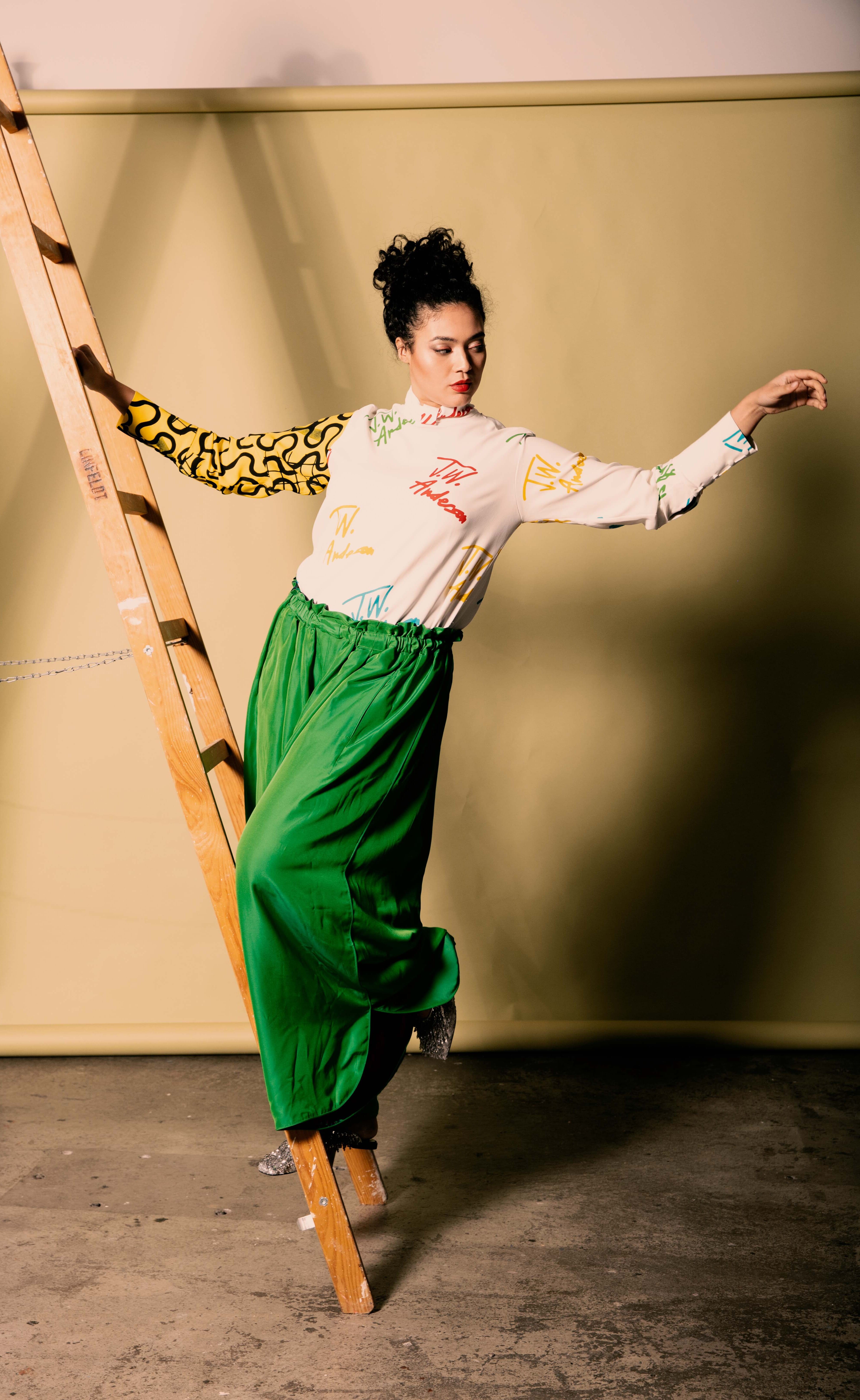
“Loving, self-confident and respectful. I have always had a good sense of my body and have developed it further, for example through dancing, gymnastics and yoga. Modelling has helped me handle my body in front of a camera too. Through nutrition and care I try to do my body some good every day, and I am convinced that attitude does the rest: I am very kind to myself and know that my body is not a machine.”
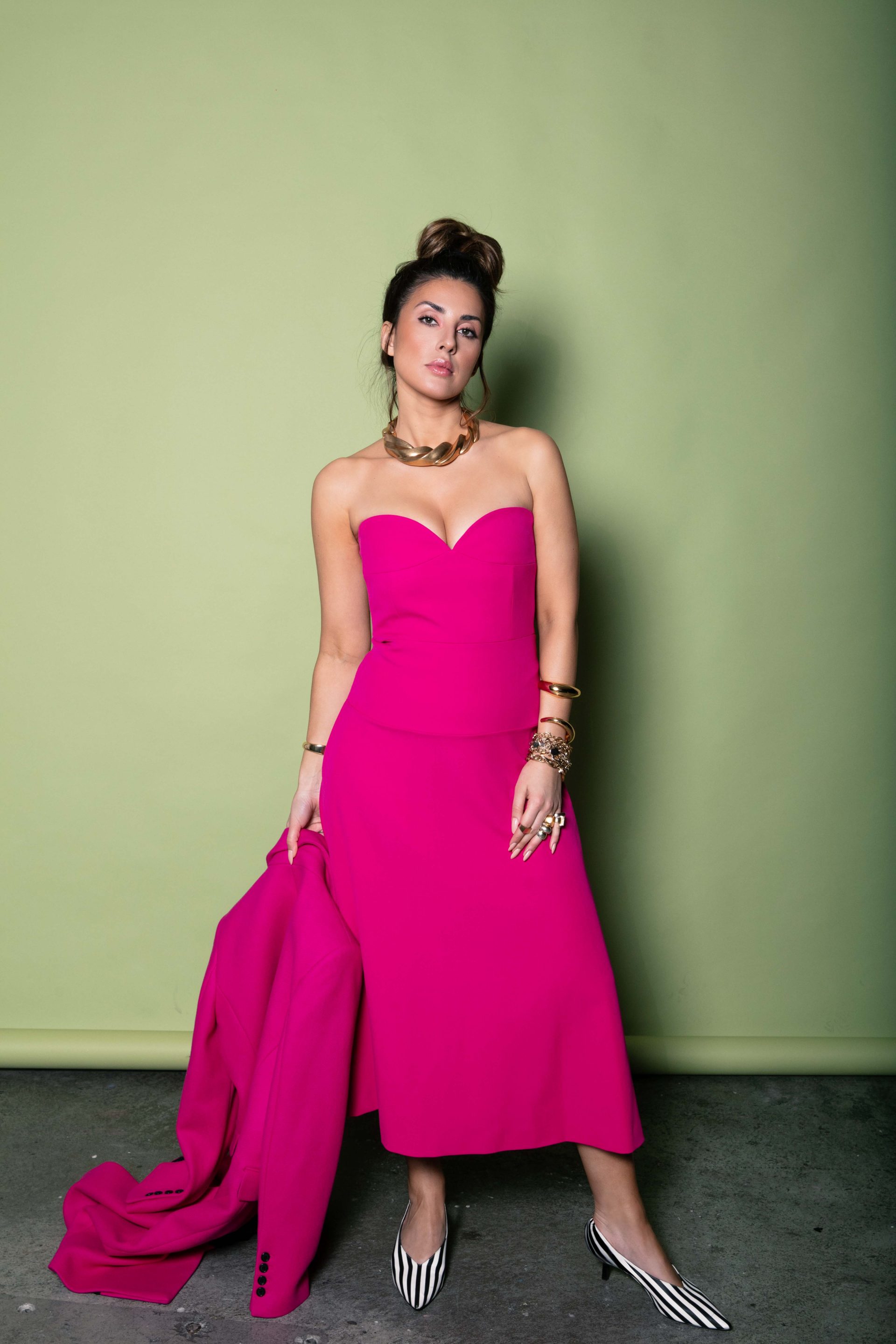

Which “flaws” do you forgive your body?
“I see the human body, especially a woman’s, as a wonder of nature. There is nothing I have to forgive my body for; on the contrary, you should learn to love it as soon as possible. It is as it is, sometimes heavier, sometimes thinner, sometimes more toned. And that’s a good thing.”
There is no longer ‘one’ ideal of beauty. Diversity is what is beautiful and interesting.
— Jana Azizi
IT’S A MAN’S WORLD
More and more often you also see men who have “had something done”. TV journalist Jenke von Wilmsdorff had himself surgically rejuvenated on the Pro7 show “Das Jenke Experiment”. Politicians, princes and celebrities – and more and more “ordinary” men too – opt for a hair transplant. Alongside that, liposuction on the stomach and chin and jaw contouring top the wish list of men visiting beauty clinics. Four years ago, the German Society for Plastic and Aesthetic Surgery announced that eyelid lifts are the most popular aesthetic surgical procedure among men. Trend: still rising.
I don’t stage myself as a fat man; I stage myself to tell stories, and I just happen to be fat. That’s who I am and I stand by it, but ultimately it is secondary to the result. However, I often get the feedback that it is very brave to portray myself like this. I don’t think so, because in the pictures I don’t really perceive myself as ‘me’; the message comes first. I see myself as a tool for telling a story. When I book models as a photographer, I look for something in a person that grabs me, something exciting. Admittedly, perhaps those are precisely the outwardly ‘imperfect’ people, but I only notice that afterwards, if at all.
To Kühne, artist
INTERVIEW MORESHA LOUISE
Moresha, you are a successful curvy model. What does a positive body image mean to you?
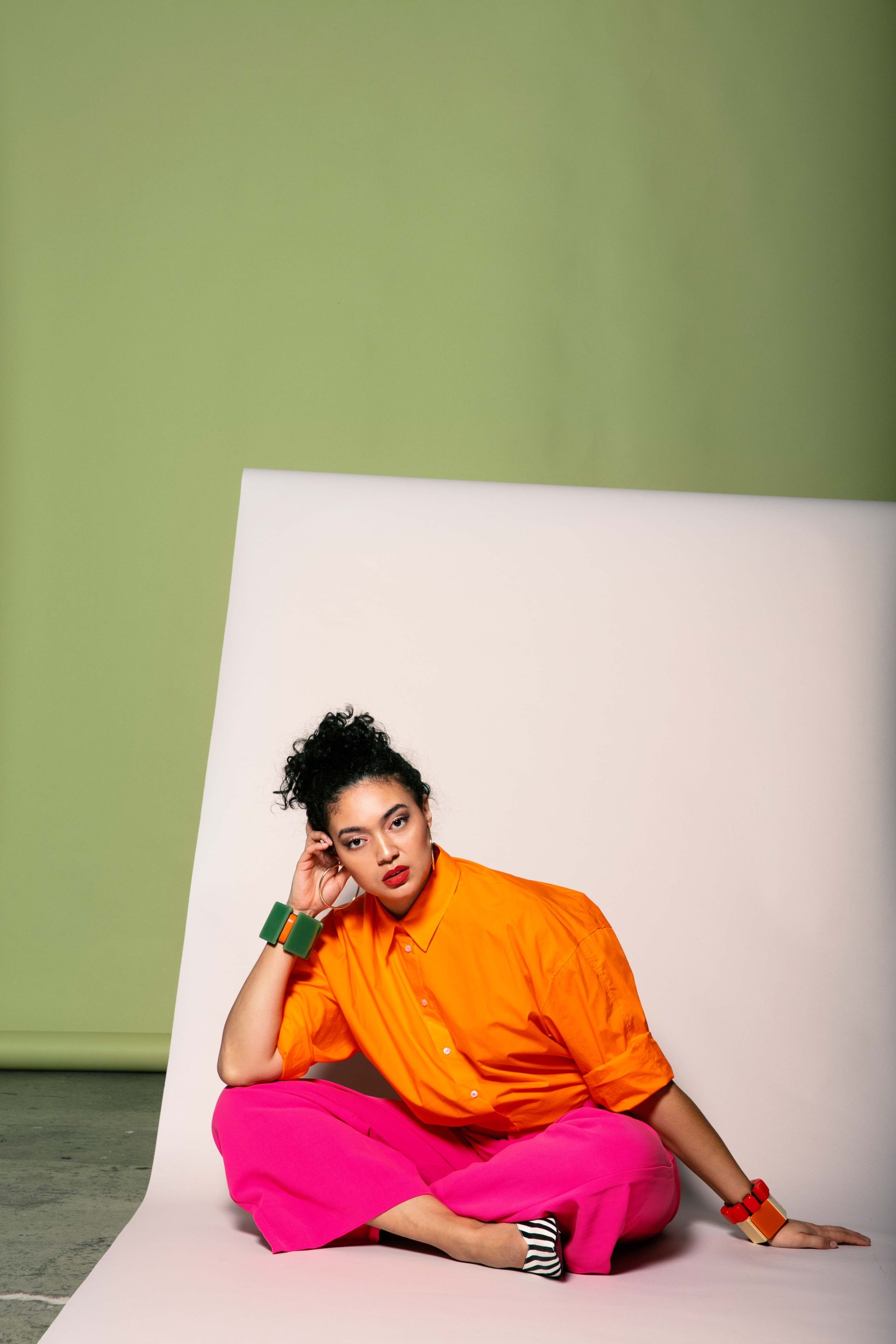
“I always try to remind myself that my body is more than its looks. It carries me through life every day, and at over 80 kilograms that isn’t so easy. The body positivity movement and everything that followed it has strengthened me in the real world and made me even more self-confident. For example, I saw body positivity posts on Instagram that have stayed with me for a long time. I notice a change in my job too. A few years ago I was booked exclusively for ‘plus size’ jobs; now clients book me because I am who I am and not because of my dress size. At the level of society, I would say that there is now more representation of different body types than ever before, but there is still room for improvement there too.”
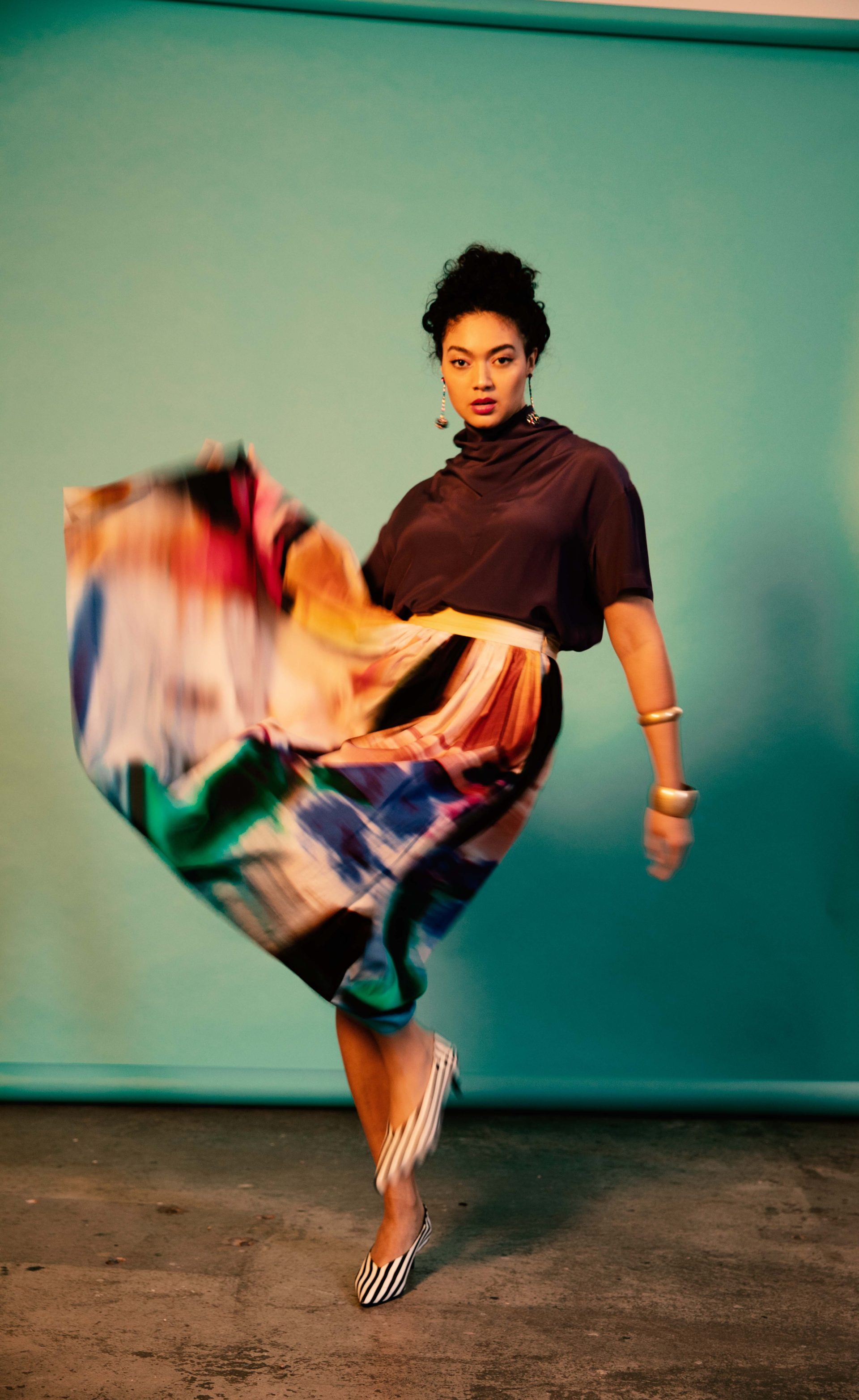
I have always been a very self-confident woman.
— Moresha Louise
Is body positivity just an Instagram phenomenon, as some claim, or is it more?
“The body positivity movement began long before social media; back then it was called Fat Liberation. At the time it was about destigmatising people with higher body weight and about their acceptance in society. The body positivity movement has changed a great deal in recent years; today it is about empowerment for all body types and about accepting one’s own body. In my perception, a lot happens on social media, but I also believe that the content shared spills over into the real world. Body positivity as it is understood today is something very personal, and so everyone has to work on it themselves and for themselves.”
Since the Rosenpark Klinik was founded 25 years ago, aesthetic medicine has changed enormously. Today’s ideal of beauty centres on perfect naturalness, not only in the face but across the whole body. A youthful-looking figure is regarded as a privilege at every stage of life. What once seemed impossible has now become routine, without scars and almost risk-free, thanks to special therapies.
— Dr Gerhard Sattler, founder and medical director of Rosenpark Klinik
BODY DIVERSITY
Last exit cosmetic surgery? If forecasts are to be believed, Generation Z, i.e. everyone born after 2000, will increasingly focus on natural beauty in two or three decades. Especially in a networked future with a great deal of high-tech beauty, natural beauty will become more important, it is said. Body diversity, the acceptance of the variety of body shapes, will then overtake body positivity. The former also accepts origin, religion and sexual orientation. In short: rough edges instead of perfect proportions. If defined perfection is available everywhere and at any time in future, or if you can have yourself optimised for little money, then imperfection, which not everyone will have, becomes interesting. Such “countermovements” have arisen again and again in the past.
Alongside physical health, psychological balance will be the focus of the health markets in the coming months.
— Corinna Mühlhäuser, trend and futures researcher (Zukunftsinstitut, Frankfurt)
THANK YOU
Creative Director: Anna Quandt
Photographer: Knut Wörner
Location: Studio Qube
Fashion: Fifty Eight.s, Kronberger Strasse 19, FFM
Styling: Alessandra Frank
Models: Moresha Louise & Jana Azizi
Hair & Make-Up: Niki Riegler
Cover Look: Blouse by Vintage H&M Studio, Jewellery by Stylist
More stories








GET IN TOUCH