
Travel
BHUTAN AND THE POWER OF STILLNESS
Text Redaktion Photos Shutterstock/Nopp Chan-thada, Department of Tourism Bhutan, Road Red Runner
Why Bhutan sets the pace – and we should follow
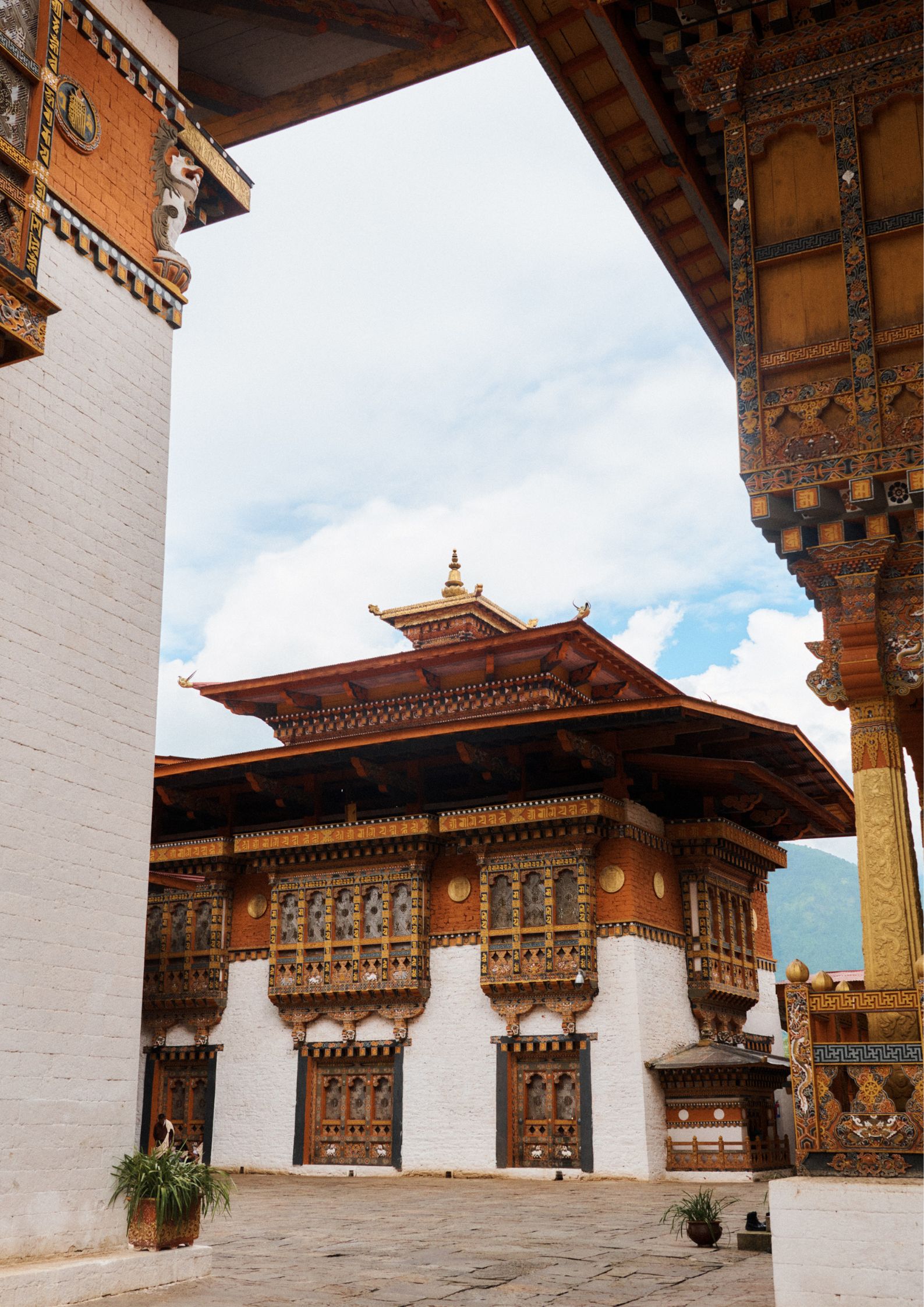
There are countries that set their own standard. Not out of arrogance, but out of conviction. Bhutan is one such country. While the rest of the world spins ever faster, the “Land of the Thunder Dragon” has chosen a different course: a slower one. A quieter one. One that has more to do with depth than with speed.
This deliberate slowness – slow power – is more than a way of life. It is a cultural concept, a political model and a quiet provocation against the global obsession with acceleration.
THE POWER OF LESS
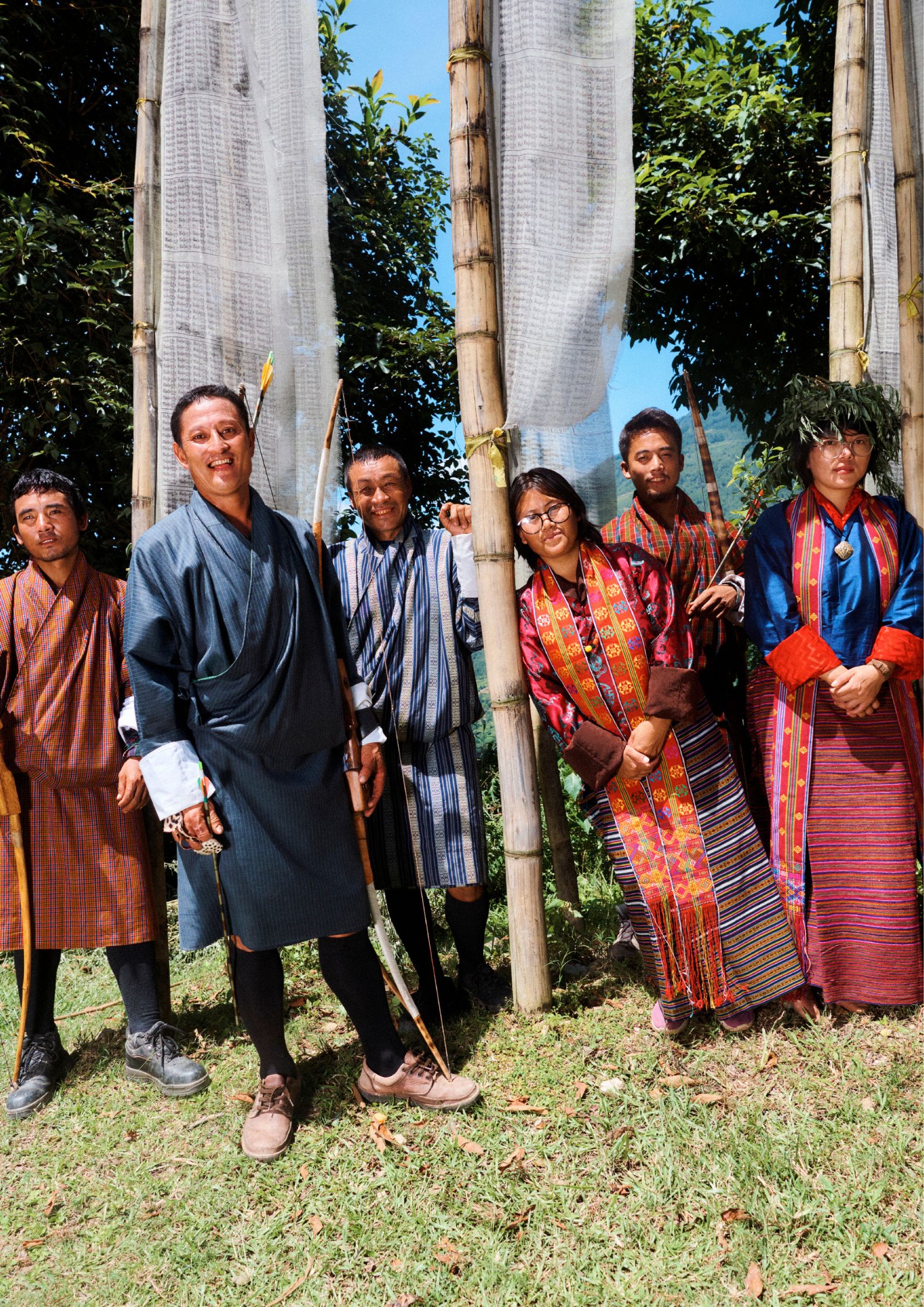
In Bhutan, a country’s success is measured not by gross domestic product, but by gross national happiness. Education, environment, spirituality, health and cultural resilience – these are the factors that really count.
This attitude can be seen everywhere: in the unhurried traffic, where a police officer directs the few cars with dancer-like elegance. In the architecture, which adapts to nature, not the other way round. In travel itself, which here is shaped not by selfie spots, but by silence. In Bhutan, “less” is not about doing without – but about presence.
TIME AS RESISTANCE
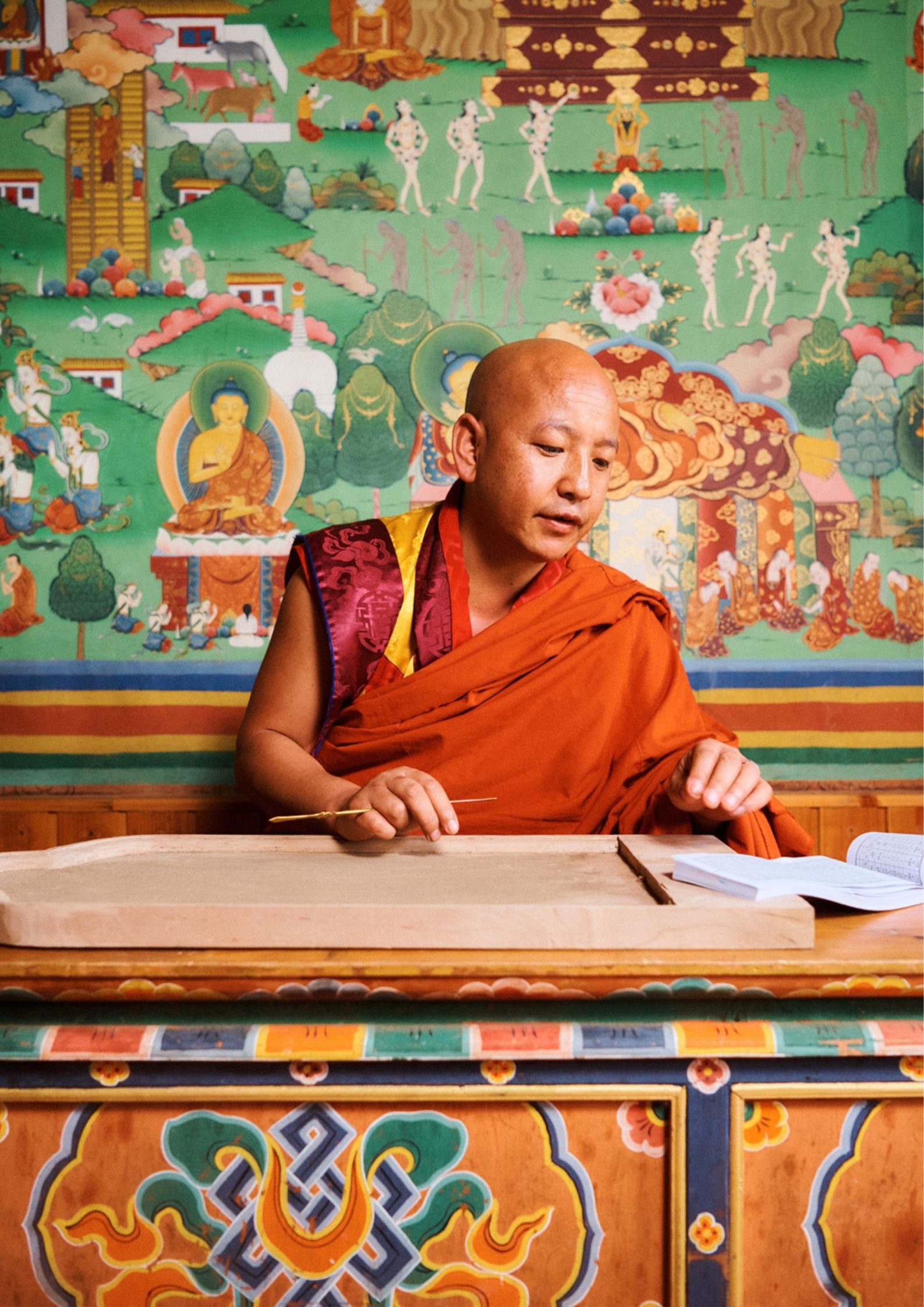
In many Western societies, speed is regarded as a sign of efficiency, performance and power. Bhutan disagrees. Here, power means giving space. Allowing time. Preserving rather than pushing.
One example: Bhutan’s highest peaks are unclimbed. Not because no one could climb them – but because no one is allowed to. Out of respect for the gods. These mountains do not want to be conquered, but to be left in peace. An attitude that seems almost radical in the age of constant availability.
LEADERSHIP THROUGH STILLNESS
King Jigme Khesar Namgyel Wangchuck embodies this principle of slow power in impressive fashion. The young monarch rules with foresight, but without haste. His policies are shaped by education, sustainability and social care. No aggressive reforms, no populist manoeuvres – but slow, stable growth.
Even in tourism policy, Bhutan goes its own way. Only a limited number of travellers are allowed into the country at any one time. And those who come pay – not for luxury, but for the privilege of being part of a system that takes sustainability seriously.
This is not exclusion – it is an invitation to responsibility.
WHAT WE CAN LEARN FROM IT
Slow power does not mean regression. It means focus. At a time when attention has become the most valuable resource, Bhutan shows how to protect it.
The question is not: how can we copy Bhutan? But: what does Bhutan’s path tell us about our own pace?
Perhaps it is time not only to live more slowly, but to ask more wisely. To achieve less – and understand more.
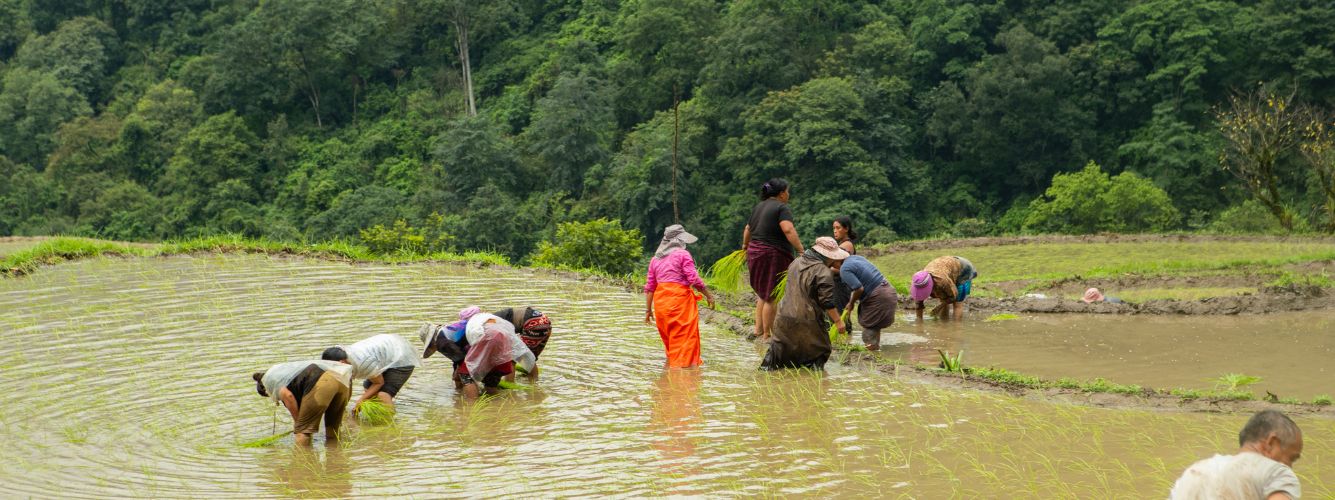
CONCLUSION: THE FUTURE IS QUIETER
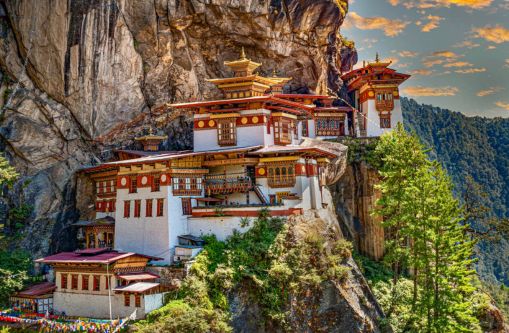
Bhutan is no fairy-tale land. It has challenges, contradictions and tensions. But it possesses something that many societies lack: the capacity for self-restraint – not out of fear, but out of insight.
In the midst of a world that has to be loud to be heard, Bhutan opts for the opposite:
Stillness. Depth. Substance. That is slow power. And perhaps that is precisely the most powerful idea of our time.
More stories








GET IN TOUCH