
Art
ART IS POLITICAL
Text Heike Strelow Photos Sandra Mann
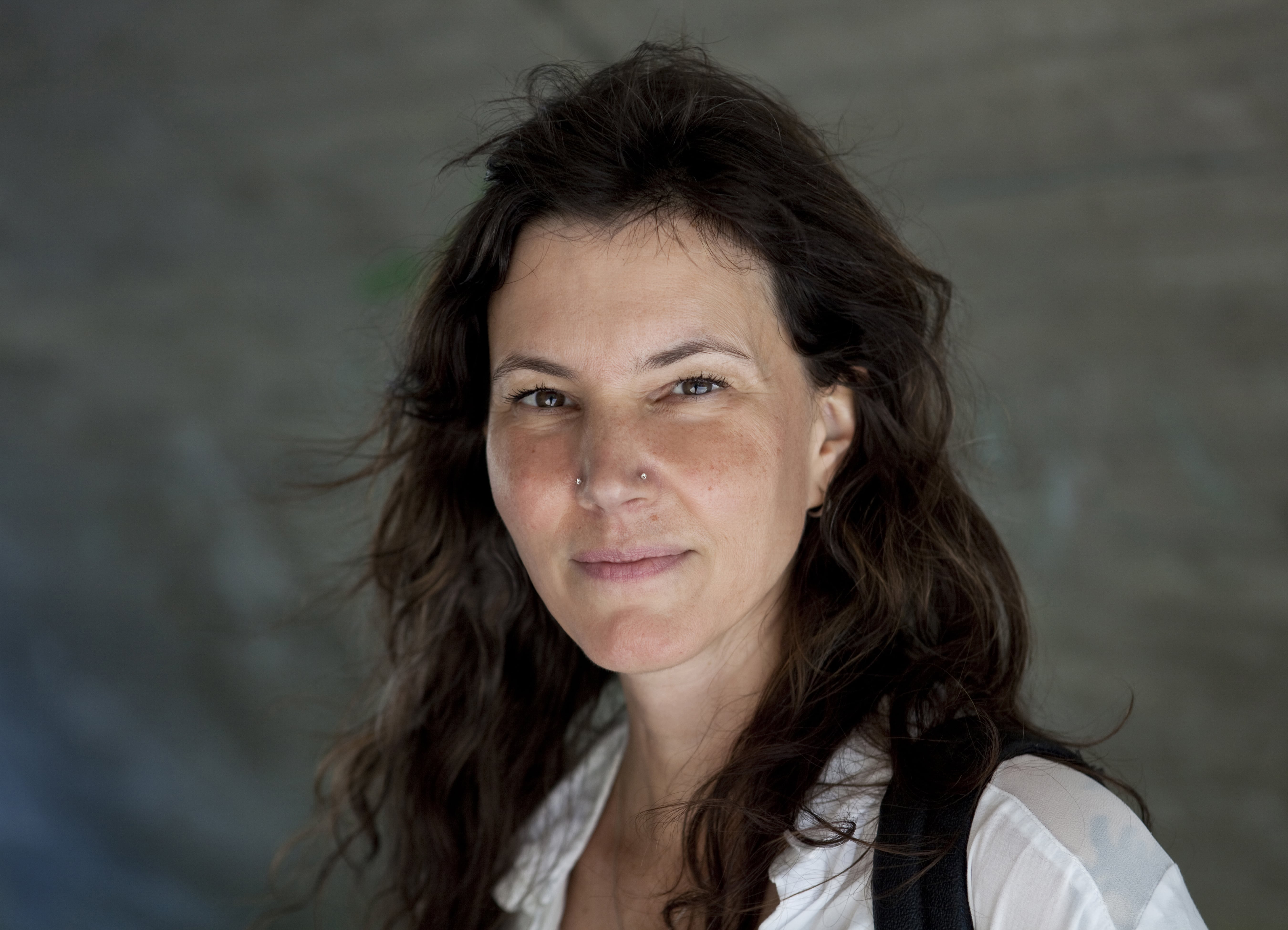
Although women have made up the majority at German art academies for many years, it is decidedly harder for female artists to establish themselves on the art market and in institutions after graduating. In her series, Heike Strelow once again presents an artist from the Rhine-Main region who has succeeded in making her mark with her work. For THE FRANKFURTER, the gallerist spoke this time with the artist and photographer Sandra Mann (b. 1970), who was awarded the City of Frankfurt’s Goethe Plaque last year.
Sandra, you have received this special award from the City of Frankfurt, with which since 1947 it has honoured “poets, writers, artists and scholars and other figures of cultural life [...]” “who through their creative work are worthy of an honour dedicated to the memory of Goethe”. A great honour in itself, and all the greater given that fewer than 20 per cent of the recipients of this plaque have been women. Especially since the proportion of women has by no means grown in the 21st century. Why do you think it is still so much harder for women in the cultural sphere today to gain attention?
“There are so many reasons. In 2008 I had a residency in Finland. There, women work just as men do. There are state-run 24-hour nurseries; women don’t have to feel guilty about working; it is socially accepted. Above all, there is gender equality in education. In parliament, 47 per cent – almost half – of the members are women. Equality is actively lived, and that is how it should be here too.

There are no limits except those we create with our thoughts.
— Sandra Mann
Looking at your CV, besides the honours, what stands out is the large number of exhibitions worldwide you can look back on. You have gone your own way from the very beginning. What were the key moments?
“Even during my studies I exhibited a great deal and everywhere. In 2000, at the Festival junger Talente, Jean-Christophe Ammann, then director of the MMK, noticed one of my works. That encounter led to many further collaborations with art institutions. In 2003, in Mexico City, I met the artist and curator Ichiro Irie. Through and with him, thematic exhibitions came about, with artists and later with our students. Among other things, these friendships led to exhibitions I curated myself. For me it is always about content and people, and only then about selling the work.
Artists’ careers are highly individual, but what would you advise young female colleagues on how to establish themselves on the market and in the art world after their studies?
“The most important thing is to find a position/stance; the works always have a (visual) message. The quality of this message defines the intrinsic value of the work, which is ultimately reflected in monetary terms. If the message doesn’t convince, the work is reduced to decoration. Authenticity is an important point. If a supposed theme is imposed on your own work, it shows. I would also advise: ‘exhibit, exhibit, exhibit’, gather experience, reflect, be quality-conscious, work flexibly and with a focus on solutions. A good network, with the discipline it requires, also helps to cope well with difficult times such as the pandemic. Being represented by a good gallery with which you have not only a professional but also a friendly relationship is a great foundation.”
Gender equality and equal rights are also themes found in your works, alongside questions of environmental protection and sustainability. Do you see yourself as a political artist?
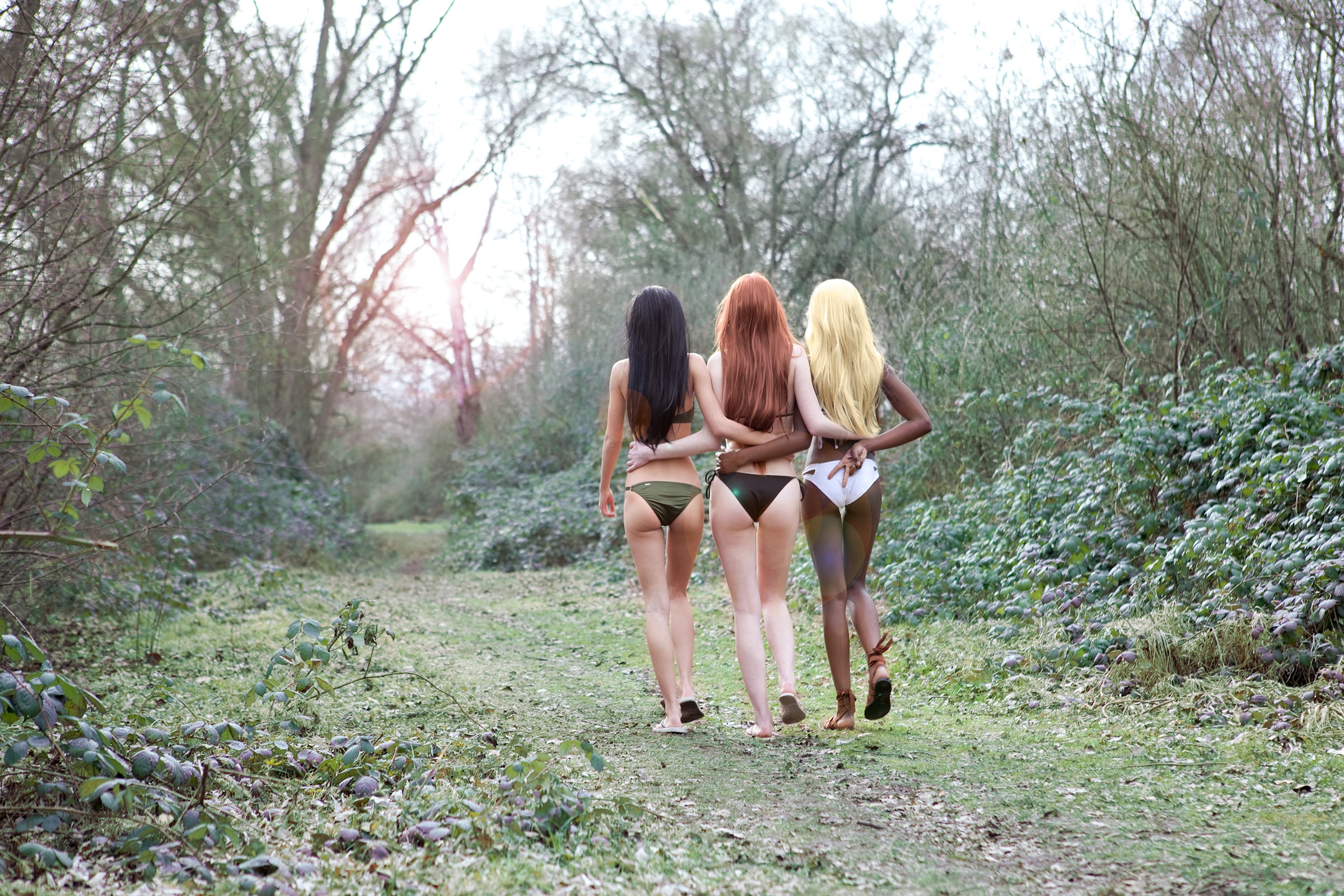
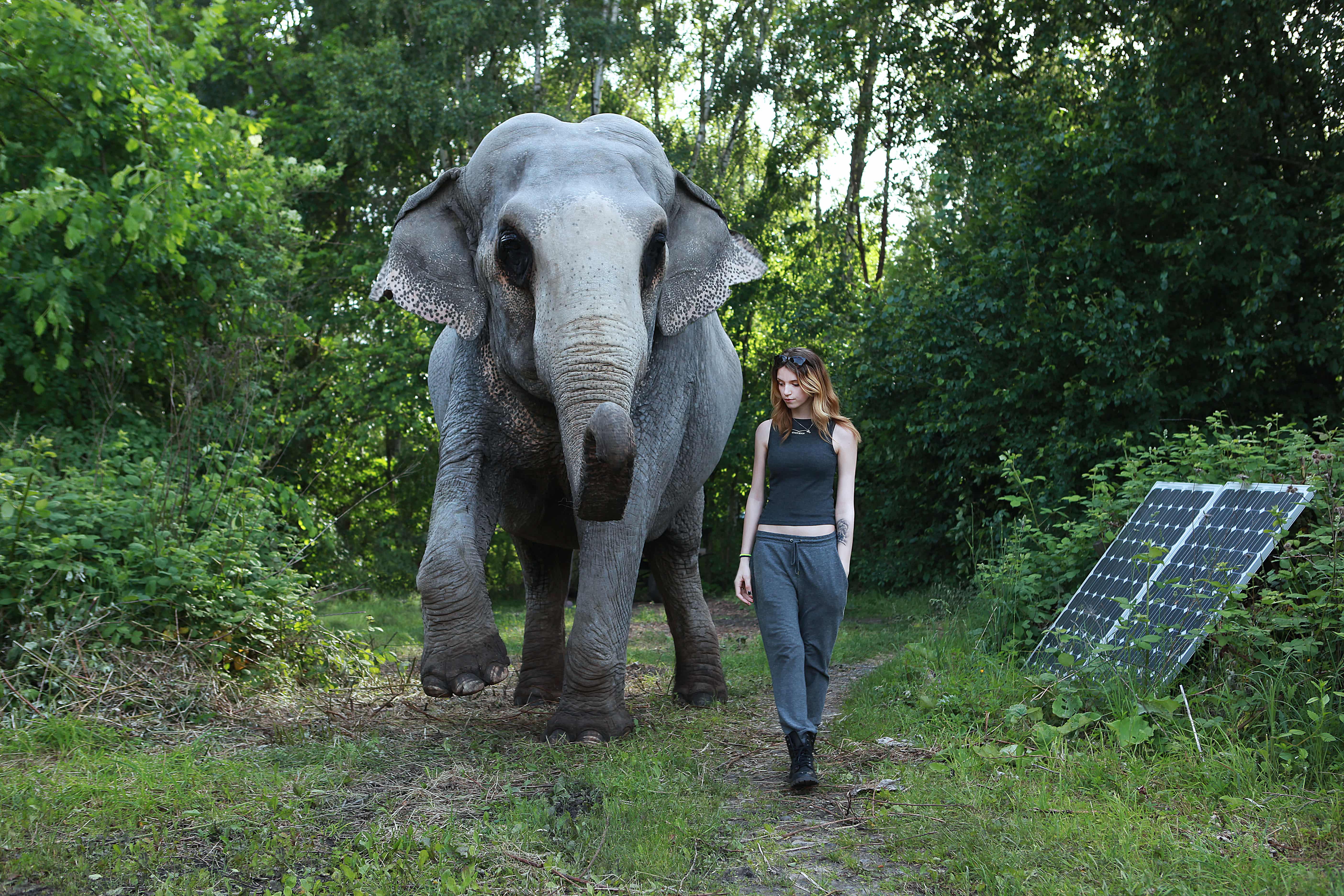
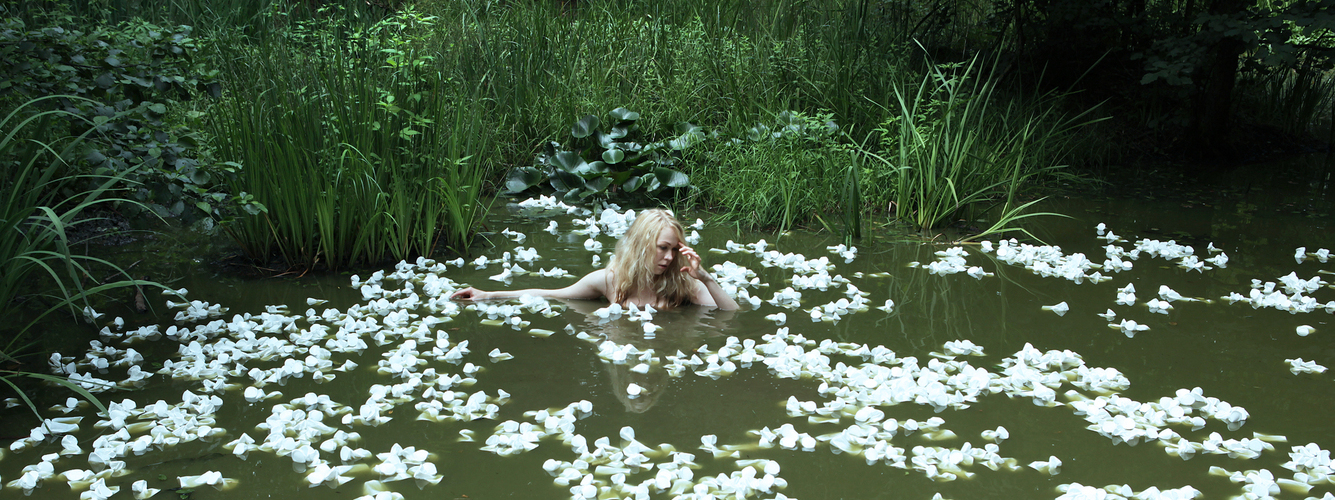
“Fundamentally speaking, art is in fact so political that it is enshrined in the Basic Law as a fundamental right and an asset most worthy of protection. For my part, I stand for certain values that are reflected in my work or that I pursue. Justice, perception and love are central themes. These days it is above all the UN’s 17 Goals to which I feel committed and which find their way into my works.”
Photography is your central medium, supplemented, extended and complemented by spatial installations, sculptures, videos, multimedia installations, artistic interventions and design. It becomes clear that you also pursue the idea of dissolving boundaries in your choice of artistic media. Would you say this is a theme that runs through your works in both content and form?
“Yes, absolutely. Quantum physics plays a key role here; it fascinates me again and again. To simplify: whether stone, plant or animal – if you keep dividing the smallest elements, all that remains in the end is potentiality, that is, the possibility of forming into something. So at root, all things in this world are the same. There are no limits except those we create with our thoughts.”
More stories








GET IN TOUCH