
Business
ARCHITECT JÜRGEN ENGEL
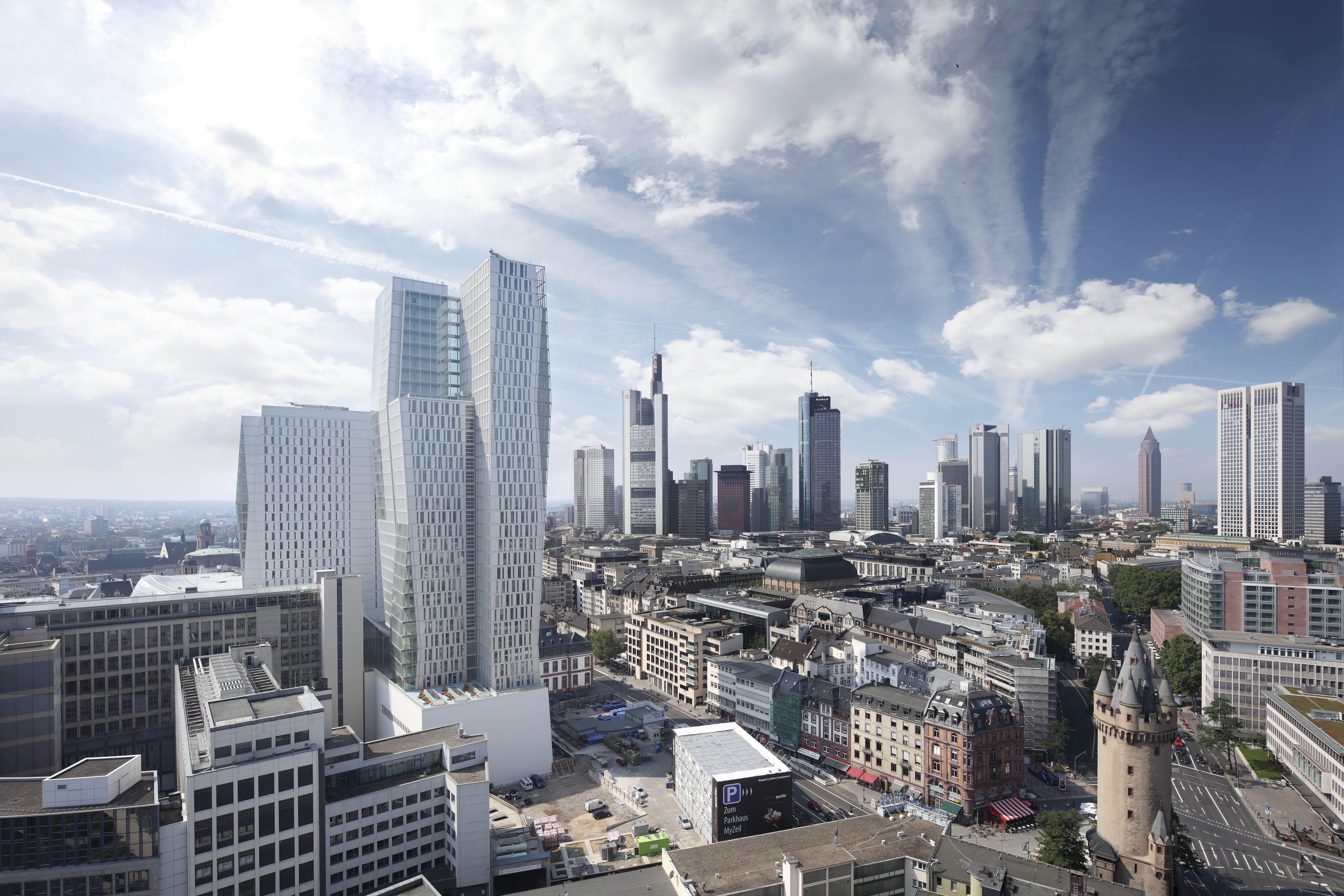
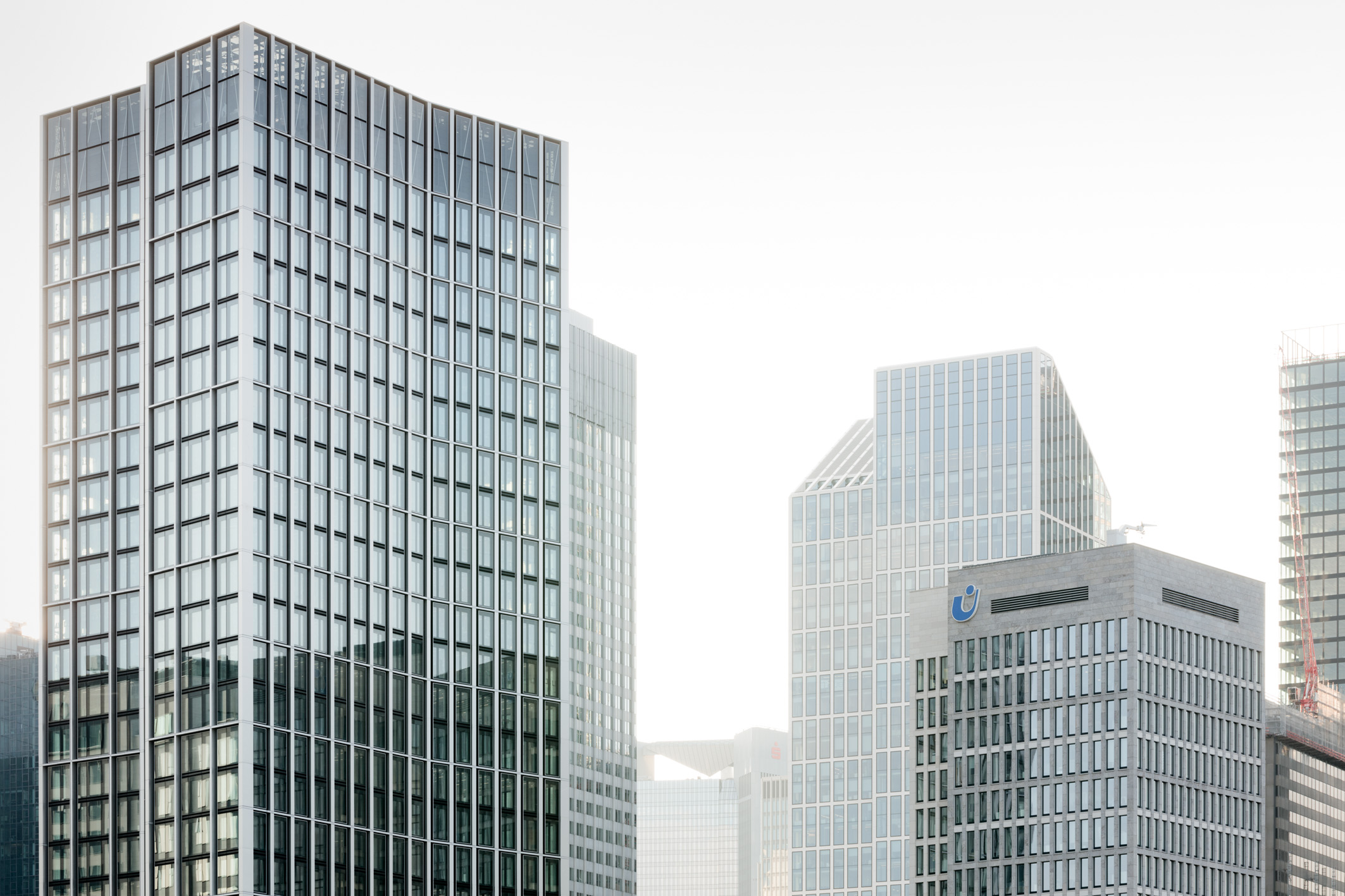
With towers such as the WestendDuo, the Nextower and the WINX Tower, architect Jürgen Engel has shaped the Frankfurt skyline like few others. His practice KSP Engel is one of Germany’s most renowned architecture firms and works worldwide. On the occasion of his 70th birthday, THE FRANKFURTER met the Düsseldorf native for a conversation – about, among other things, the Central Business Tower currently under construction.
Text Martina Metzner Photos Betti Klee
How did you come to be an architect?
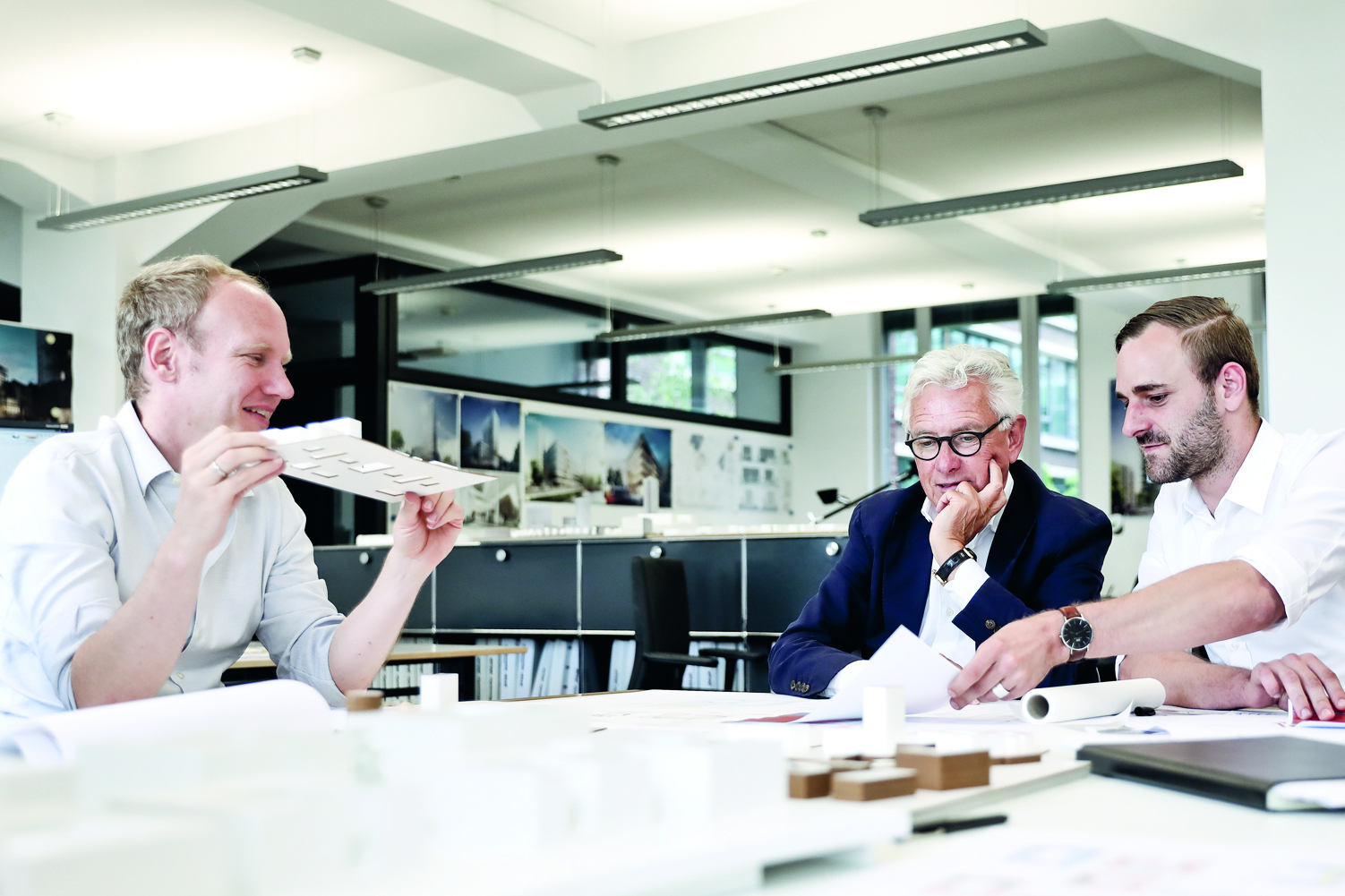
Jürgen Engel: “It started early for me. My father was a mechanical engineer, and lots of architects came and went at our house. He was also artistically gifted and painted. I then started drawing at the age of six. I was interested in this mix of engineering and creativity. What appeals to me about architecture is that the profession is so varied. You don’t just sit at a desk; you are out and about a lot, on the building site, and deal with all sorts of different people.”
What do you like doing most?
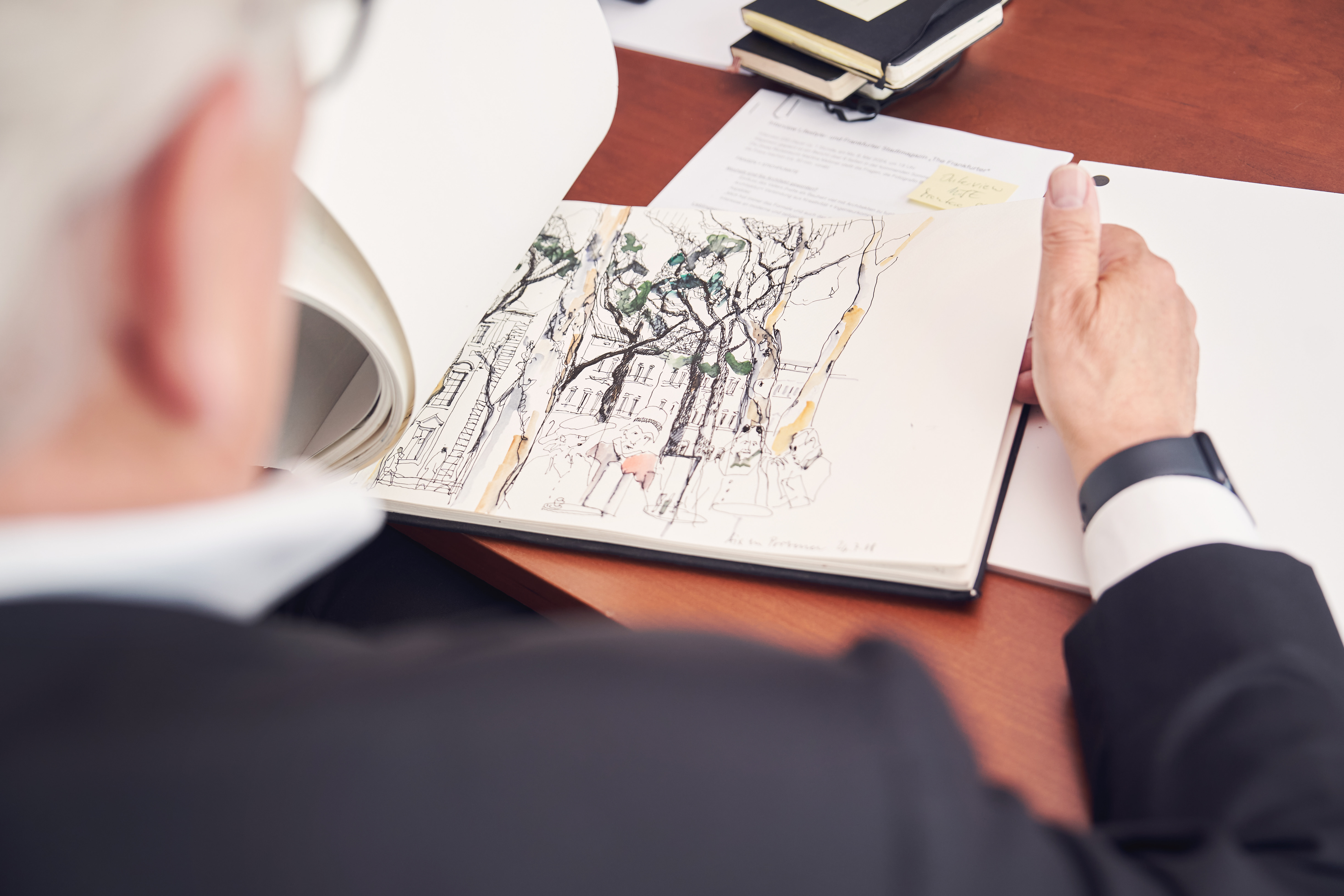
“Most of all I like designing. That can be anywhere. With a pencil I am free; I don’t need a computer and can react quickly. In a drawing you can also drift into something, you can become more abstract, you can apply many creative techniques.”
NEW LANDMARK IN FRANKFURT
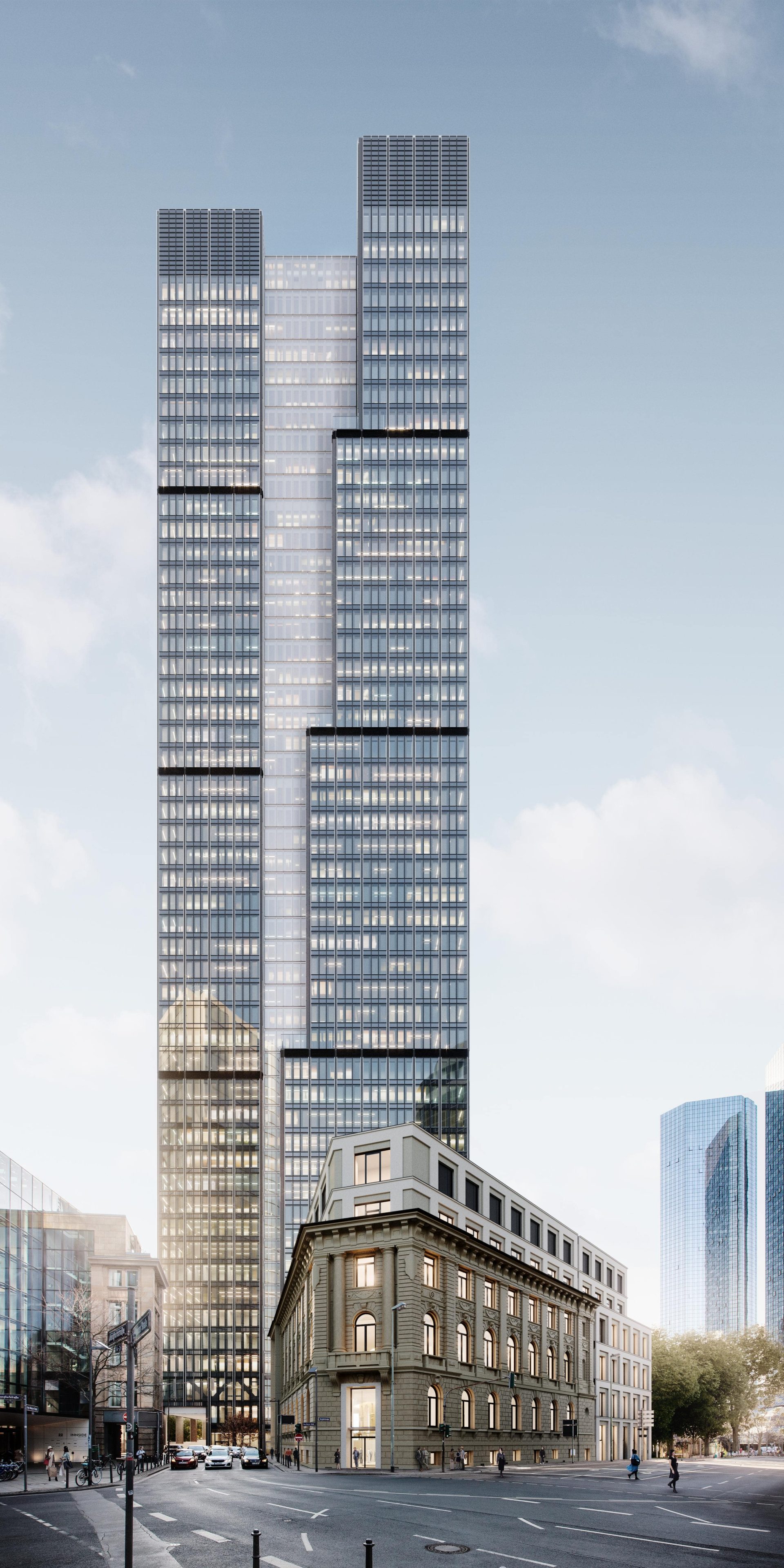
You are currently working on the Central Business Tower (CBT) on the Wallanlagen, which is set to be 205 metres high. You waited more than 20 years for it to be realised …
“The CBT’s concept was first-rate from the very beginning, because it is very flexible and incredibly efficient. The reason it wasn’t realised for so long was that the competition included two plots belonging to different owners. Merging the plots then dragged on for a long time. In the end, fortunately, an agreement was reached.”
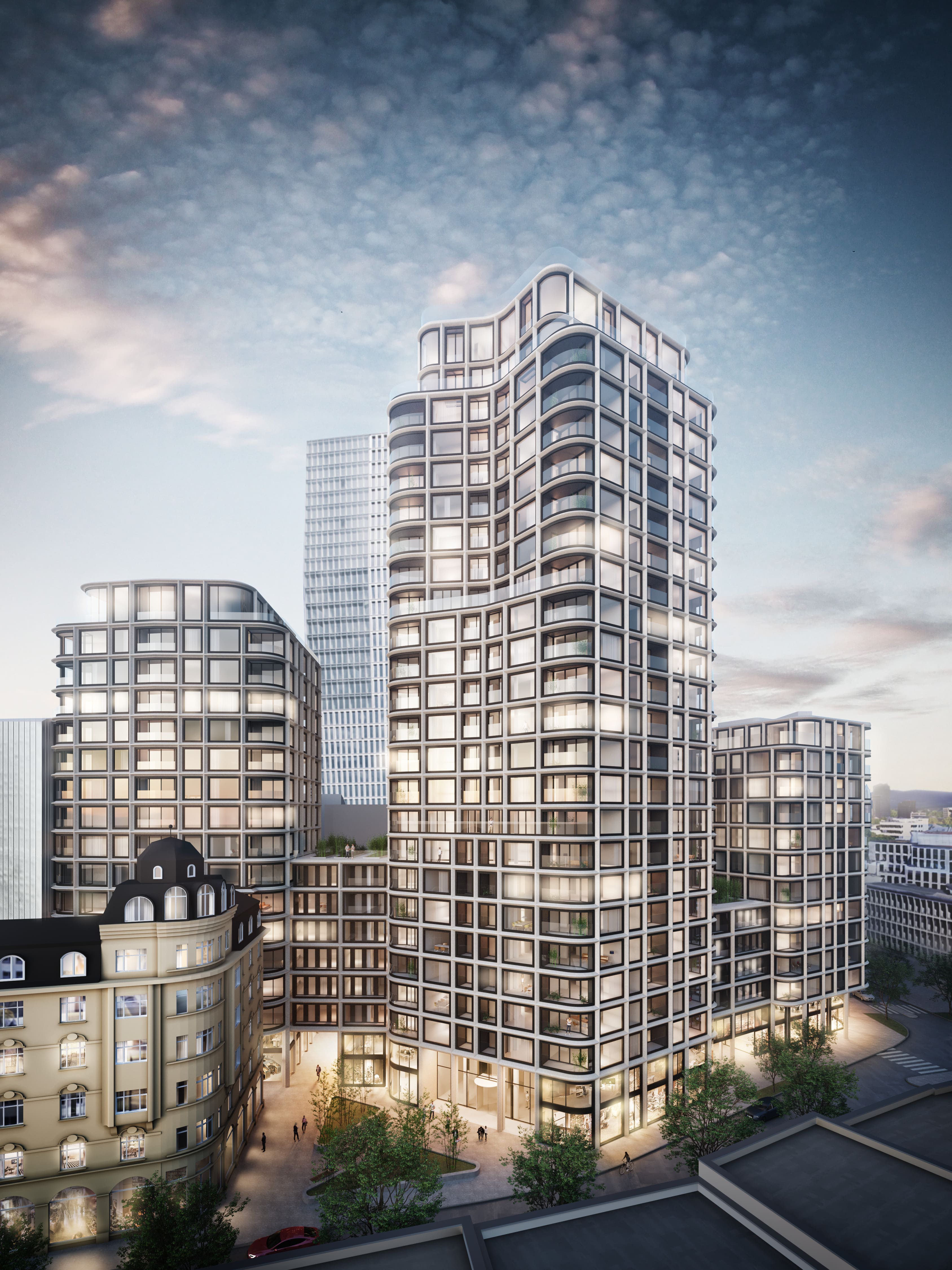
Construction is soon due to begin on the new residential high-rise complex Highlines, which you designed, in the city centre. Are residential high-rises still the right way forward for Frankfurt?
“I think living in a high-rise is wonderful. You are right in the middle of the city and can walk everywhere, to a bar in the evening, to the Zeil, to all the cultural institutions, and you have this great view of the city. It is a good way of densifying the city centre without having to touch large areas of land.”
How do you see the development of the Frankfurt skyline?
“The high-rise has a future – regardless of how controversially we debate these buildings. Sustainability also means using space efficiently, bringing places closer together and improving exchange. The high-rise helps to preserve parks and green spaces, to avoid building on the outskirts of a city and to make the city centre more lively. Frankfurt’s skyline has also become an unmistakable landmark of the city. The extraordinary view of the cluster of high-rises from a distance is truly breathtaking. The people of Frankfurt should never forget that.”
FINDING THE GENIUS LOCI
Which of the projects you have overseen internationally is particularly close to your heart?
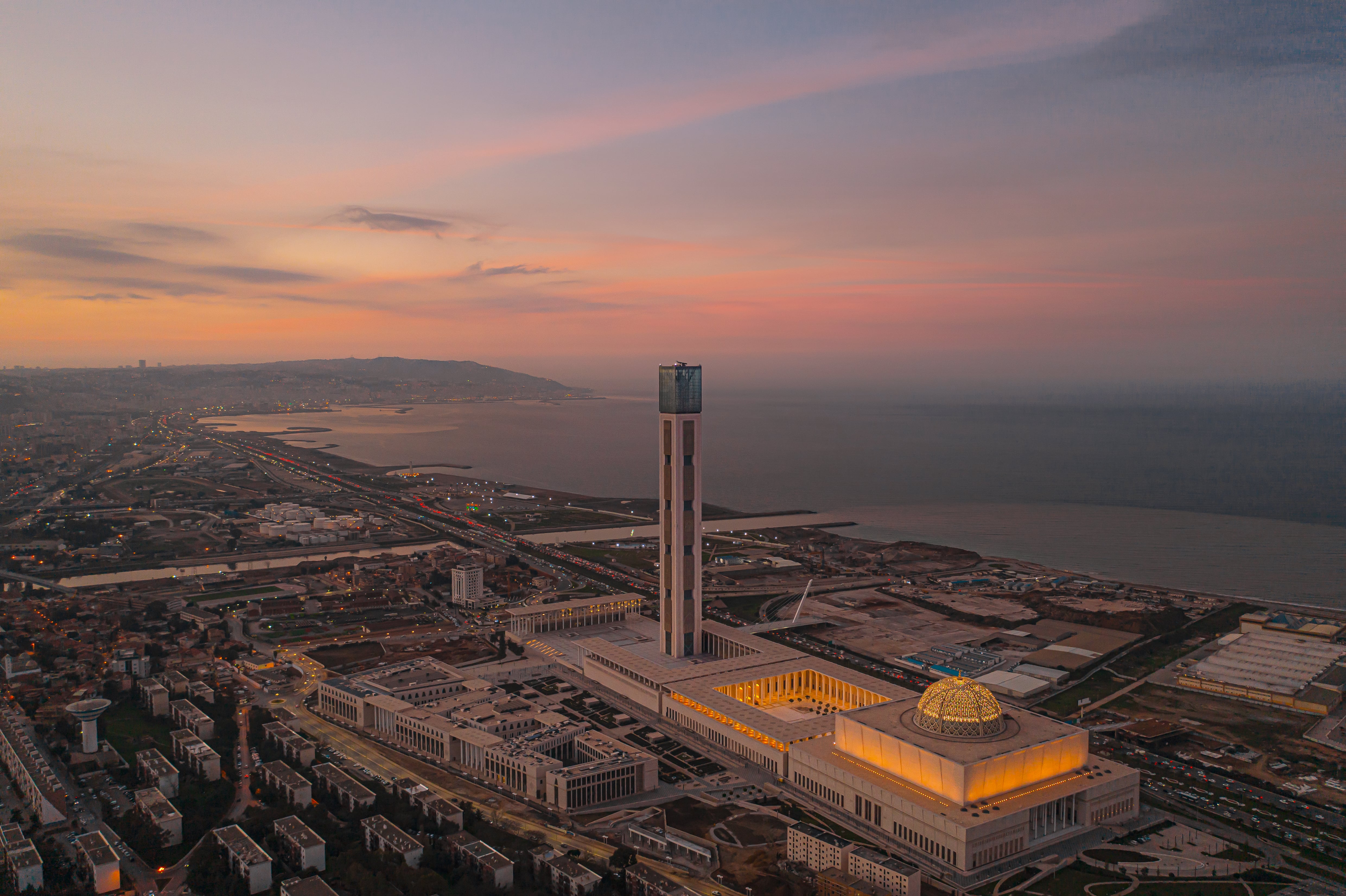
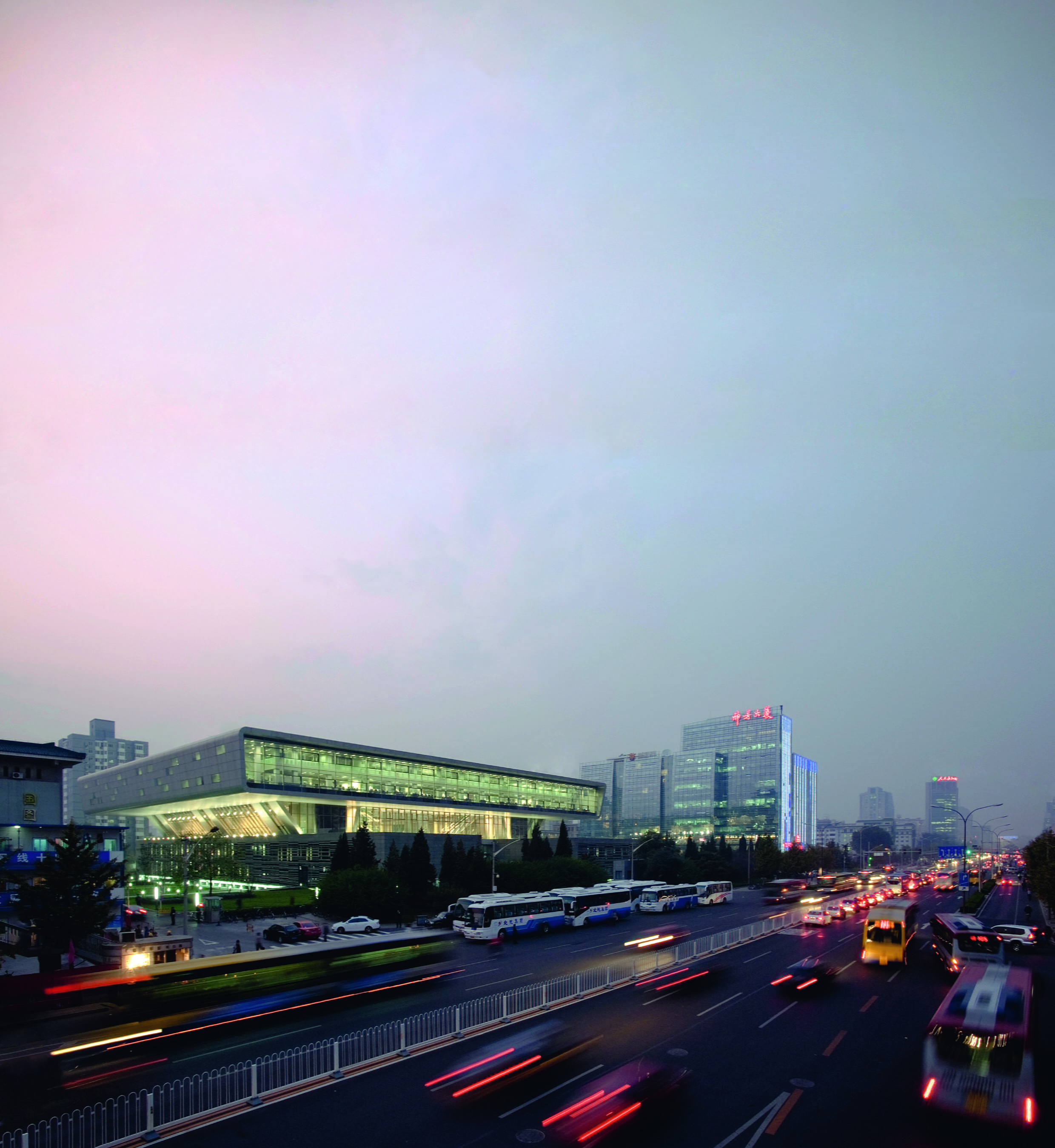
“One is the National Library of China in Beijing. A milestone and the breakthrough for our work in Asia. And the second is the Great Mosque of Algiers. It is the third-largest mosque in the world and the city’s new landmark. Many people in North Africa will move to the big cities along the Mediterranean. Africa, with its 1.4 billion people, will become a very interesting market for us.”
How do you proceed when you build in another culture, as in Algeria?
“We naturally engage with the culture, the history and the particularities of the place. First of all, it’s about what the place evokes in people, what they perceive, what fascinates them there. In Algiers we also asked ourselves what it means for the city as a whole when we erect such a huge building as the mosque, with a minaret 265 metres high that can be seen everywhere in the city. I was also inspired by Albert Camus and his Algerian stories, by the Mediterranean light and the connection to the water. From the mosque there is direct access to the sea, and the light there is special too. Despite its size, this place was meant to be one where people like to spend time.”
You have your own offices in Asia – what is the work like there?
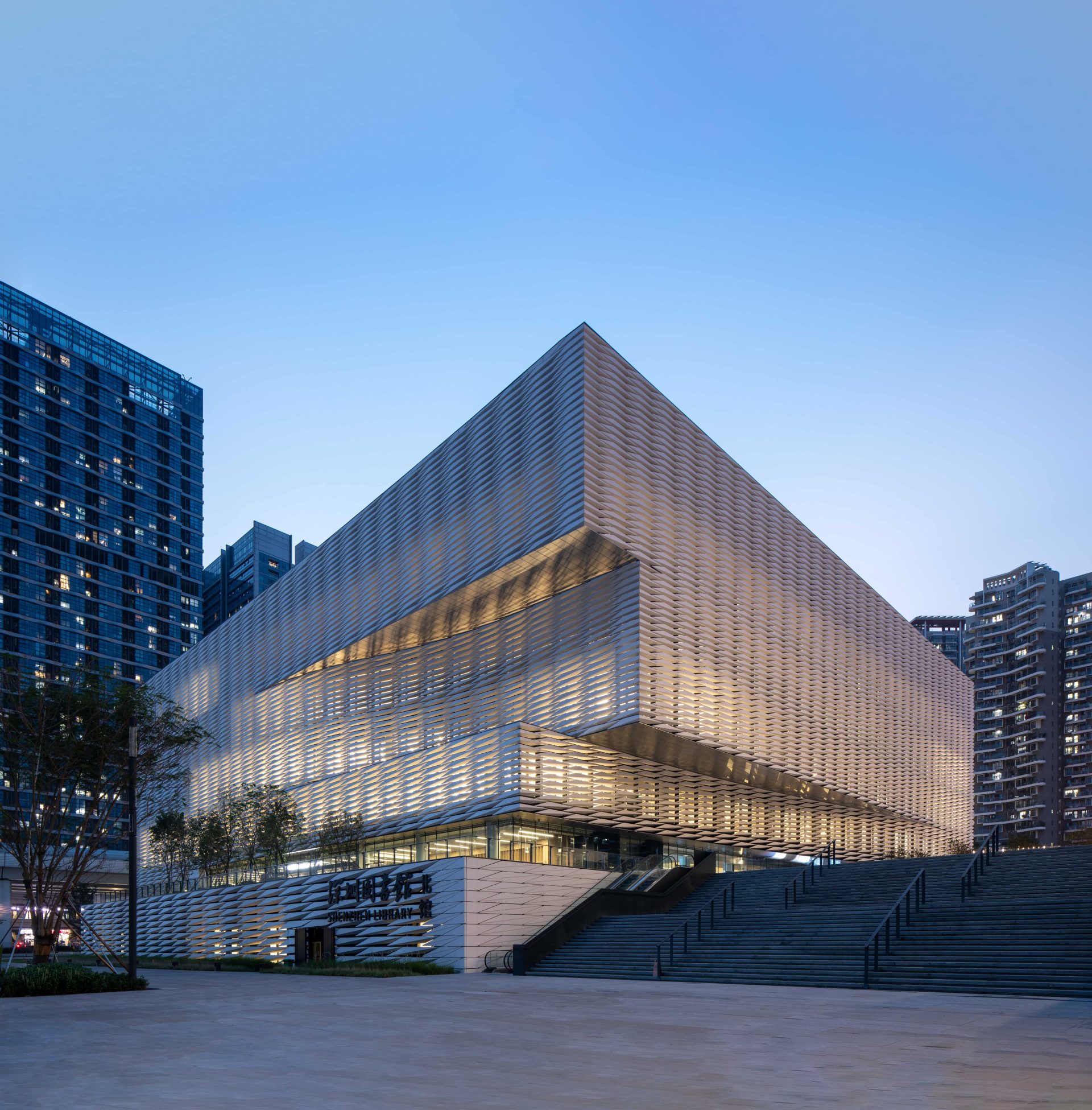
“I went to China in 1992, when Mao’s influence was still very strong. There were still few international architects there. That has changed today. To break into a market, you have to be there on the ground and find out who the key players are. We won a competition for the urban master plan for three universities in Shanghai – and with that we were in.”
THE NEXT GENERATION
How do you keep track of such an international business?
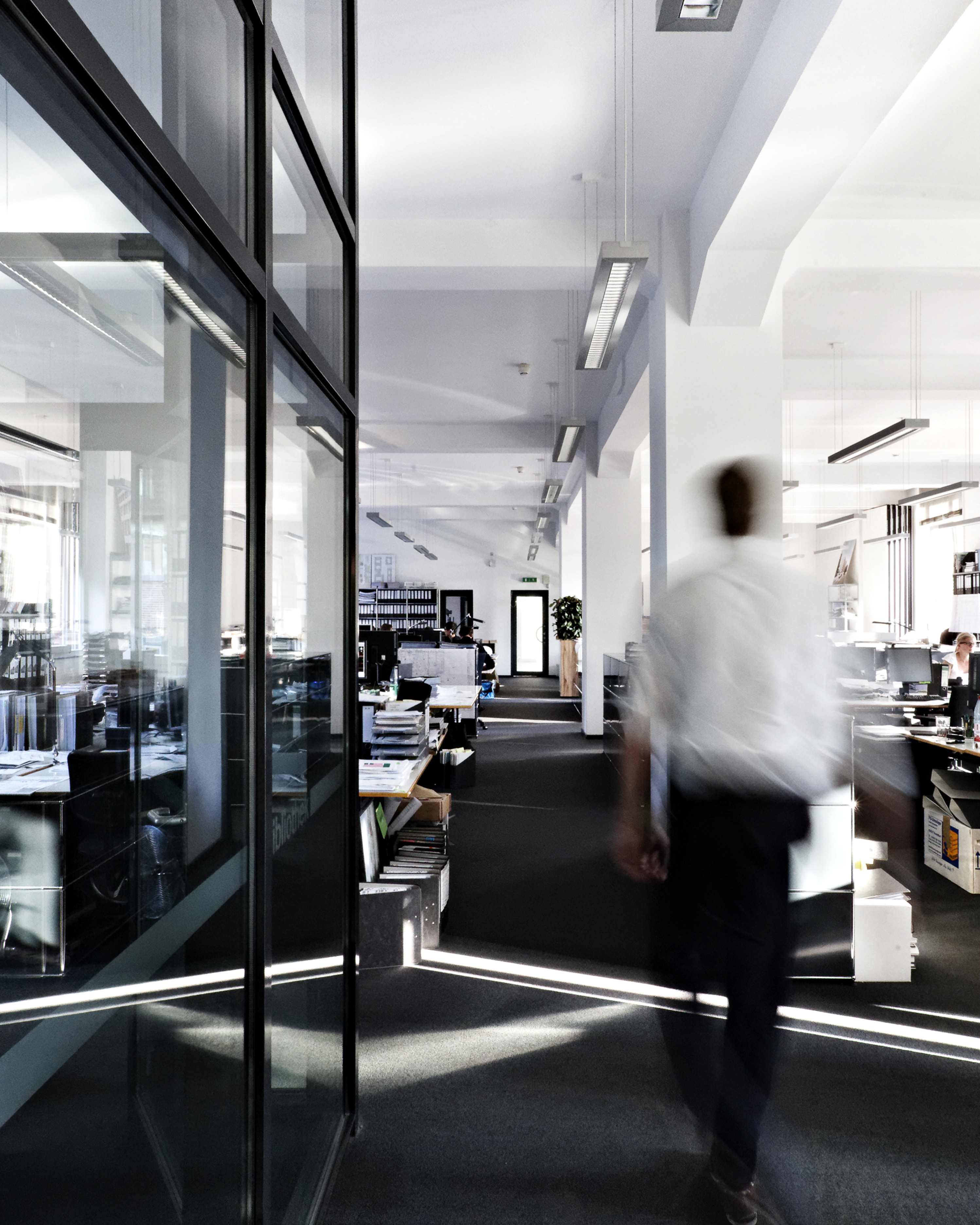
“I have a good team around me and don’t have to take care of everything. We have highly motivated staff, some of whom have been with us for more than 30 years. Then we have our offices in Beijing and Shenzhen. You have to be well organised. And in some cases we have also done pioneering work: in Algeria we helped the local authorities to create building regulations. For the National Library in Beijing, we worked with local experts to develop a solution for dividing the building into fire compartments that could be approved.”
Looking back, what would you advise your younger self or the younger generation?
“Well, to my younger self I would say: you did a pretty decent job. And as for the younger generation – I have four children – I would very much hope they realise that if you want to achieve something today and really commit to it, have ideals and visions and pursue them with perseverance, then you will be successful. Being able to make a difference in your work is very fulfilling and much more rewarding than having a lot of free time.”
More stories








GET IN TOUCH