
Home
ARCHITECTURE OF CARE: RETHINKING HOW WE LIVE
Text Redaktion Photos © Guenzel Rademacher Museum Angewandte Kunst
HOUSING MODELS FOR THE 21ST CENTURY
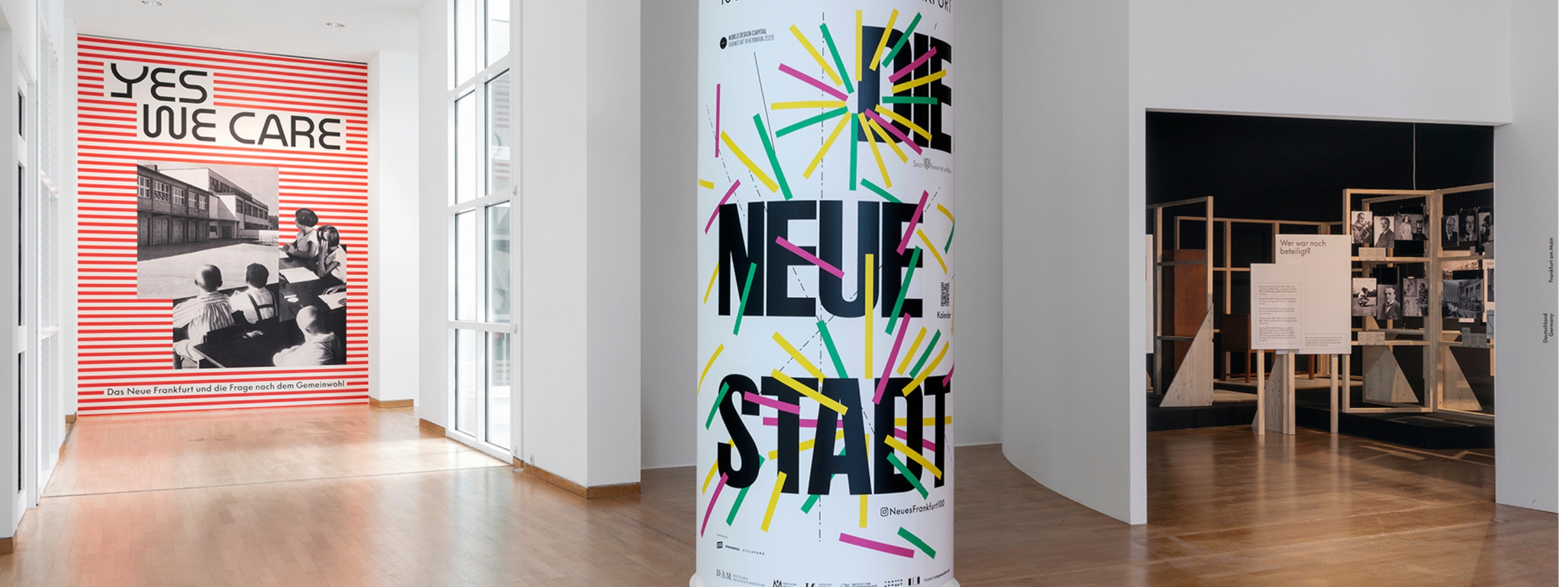
In a time of housing shortages, climate crisis and social division, one thing is clear: architecture alone cannot work miracles – but it can create structures in which care, community and sustainability are possible. Architecture of care is the name of a new paradigm that conceives living spaces not in terms of square metres, but in terms of needs. And it is no coincidence that this recalls a landmark project from Frankfurt: Das Neue Frankfurt.
For as early as the 1920s, architects under Ernst May designed more than flats. They planned a social housing model – with light, air, greenery and a clear commitment to the common good. Today, 100 years later, the question arises: what can we learn from back then – and what do we need to rethink?
HOUSING AS SOCIAL INFRASTRUCTURE
“Housing is a human right, not a market product” – this phrase has become a slogan in many European cities. In view of rising rents and a lack of social housing, it is becoming ever clearer that the home is the place where social inequalities either become entrenched or can be broken down.
The architecture of care thinks of housing not only functionally, but relationally: it asks questions such as – who cares for whom? How do single parents, people in need of care, queer communities, older people, students or people with precarious life stories live? And how can spaces support living together?
THE LEGACY OF DAS NEUE FRANKFURT
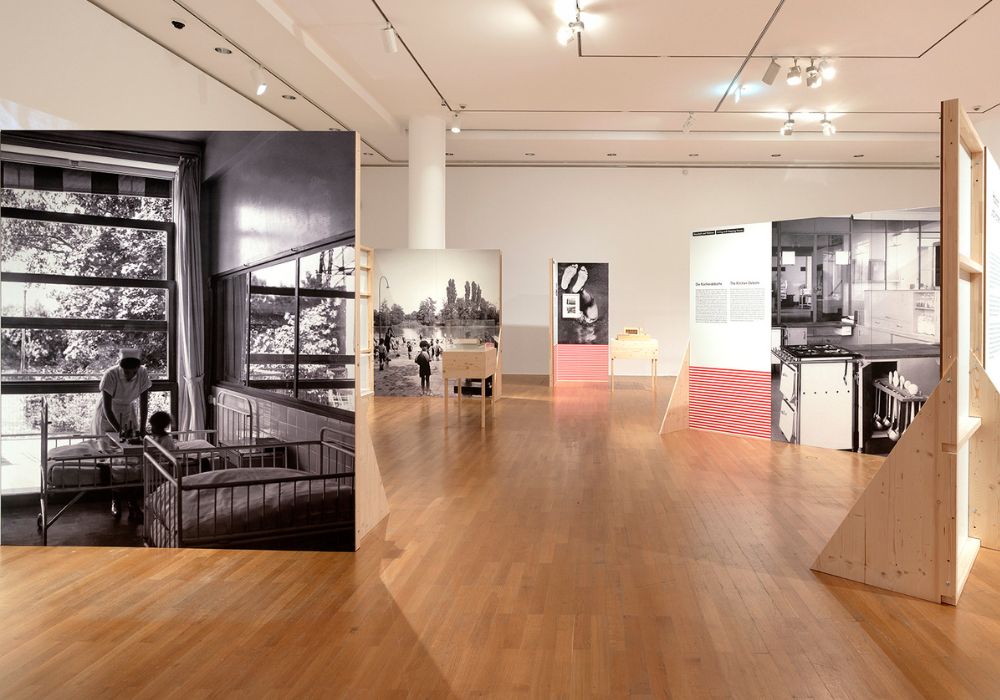
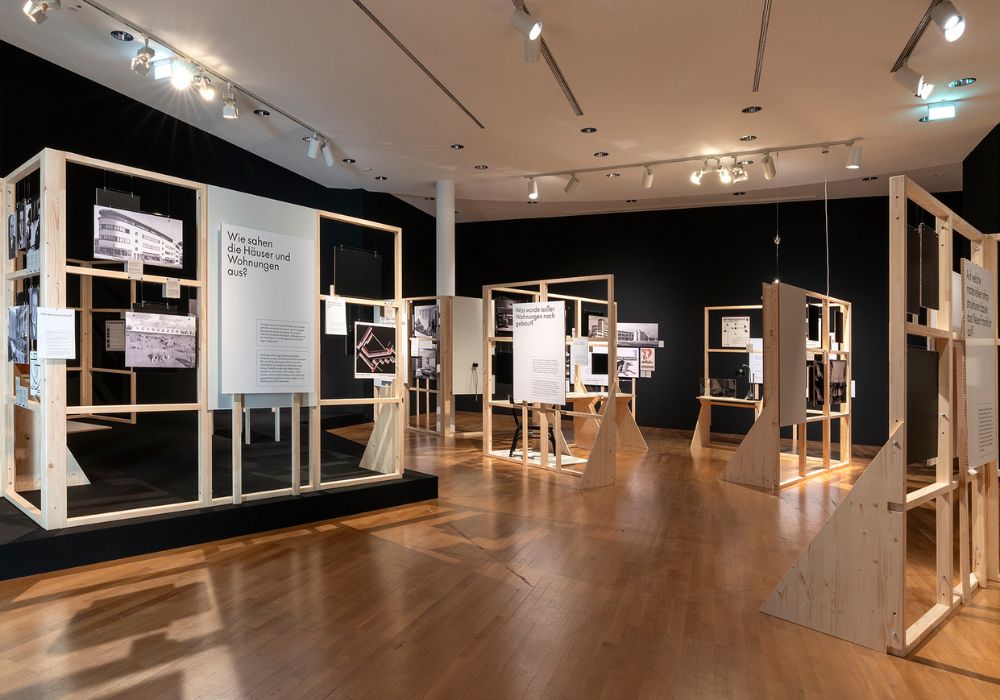
Even Ernst May and his colleagues went beyond mere building: they designed nurseries, schools, sports facilities, laundries, reform kitchens and communal spaces. Margarete Schütte-Lihotzky’s famous “Frankfurt Kitchen” was not only efficient, but an early response to care work and women’s emancipation in the home.
The rows of linear housing blocks with plenty of light, ventilation and open space reflected not only hygienic and technical standards – they were a designed expression of social care. Today we would say: architecture of care.
NEW WAYS OF LIVING – NEW POSSIBILITIES
New housing models that take up this attitude – and develop it further – are currently emerging all over Europe:
Cooperative housing projects such as R50 in Berlin or Kalkbreite in Zurich combine affordable housing with shared spaces, guest flats, workshops and collective management.

Multigenerational houses, shared care flats and community-oriented neighbourhoods such as the building group model in Tübingen foster social resilience in old age – and relieve family carers.
Feminist planning offices develop concepts for everyday fairness, including safety, accessibility and gender-equitable design of routes, squares and private spaces.
Open-source design and circular construction make building processes more democratic, more ecological – and more resilient to crises.
WHAT DOES THE ARCHITECTURE OF CARE NEED TODAY?
Political courage: housing construction must no longer follow pure market logic. What is needed are clear funding programmes, access to municipal land and developer models oriented towards the common good.
Planning from the bottom up: residents must become co-designers. Participation is not a bonus – but essential for viable, diverse communities.
Interdisciplinary approaches: urban planning, nursing science, sociology, gender studies and architecture must work together more closely. Only then will housing emerge that meets real needs.
Caring for the spaces in between: care often takes place out of sight – in the hallway, on the bench in front of the house, in the shared kitchen. Spaces of care need flexibility, time and the will to design them.
CONCLUSION: CARE IS THE NEW COOL
If Das Neue Frankfurt showed what social architecture can achieve, now is the time to recode this idea: more feminist, more ecological, more inclusive. Care does not mean a step backwards – but progress. Not restriction, but freedom. A city that takes care of its people creates genuine resilience. And that is perhaps the most important resource for the future.
More stories








GET IN TOUCH