
Art
DAVID POPA, A TRIBUTE TO TRANSCENDENCE
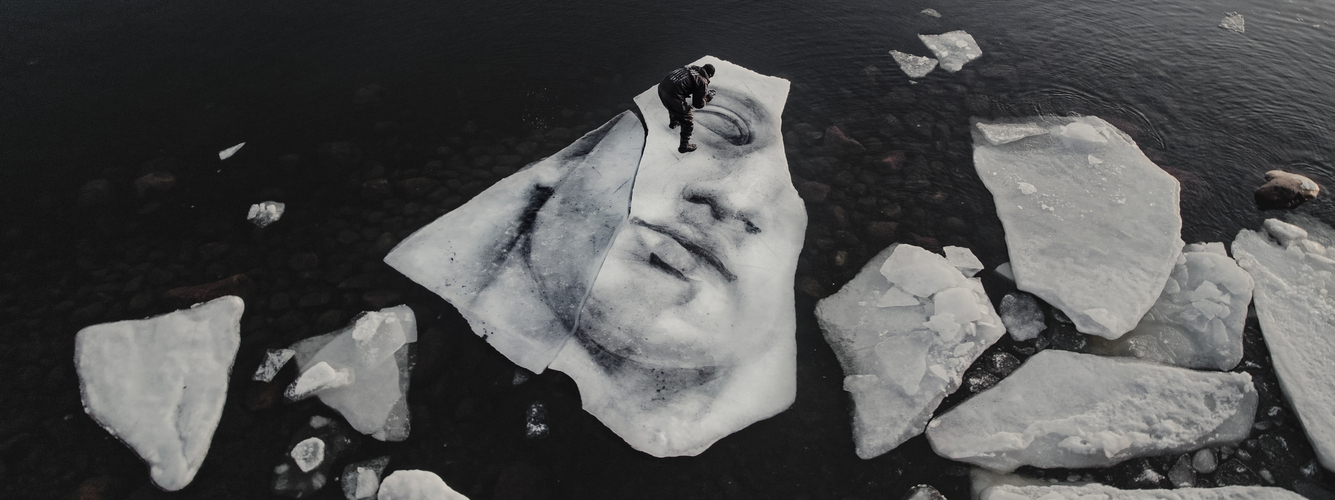
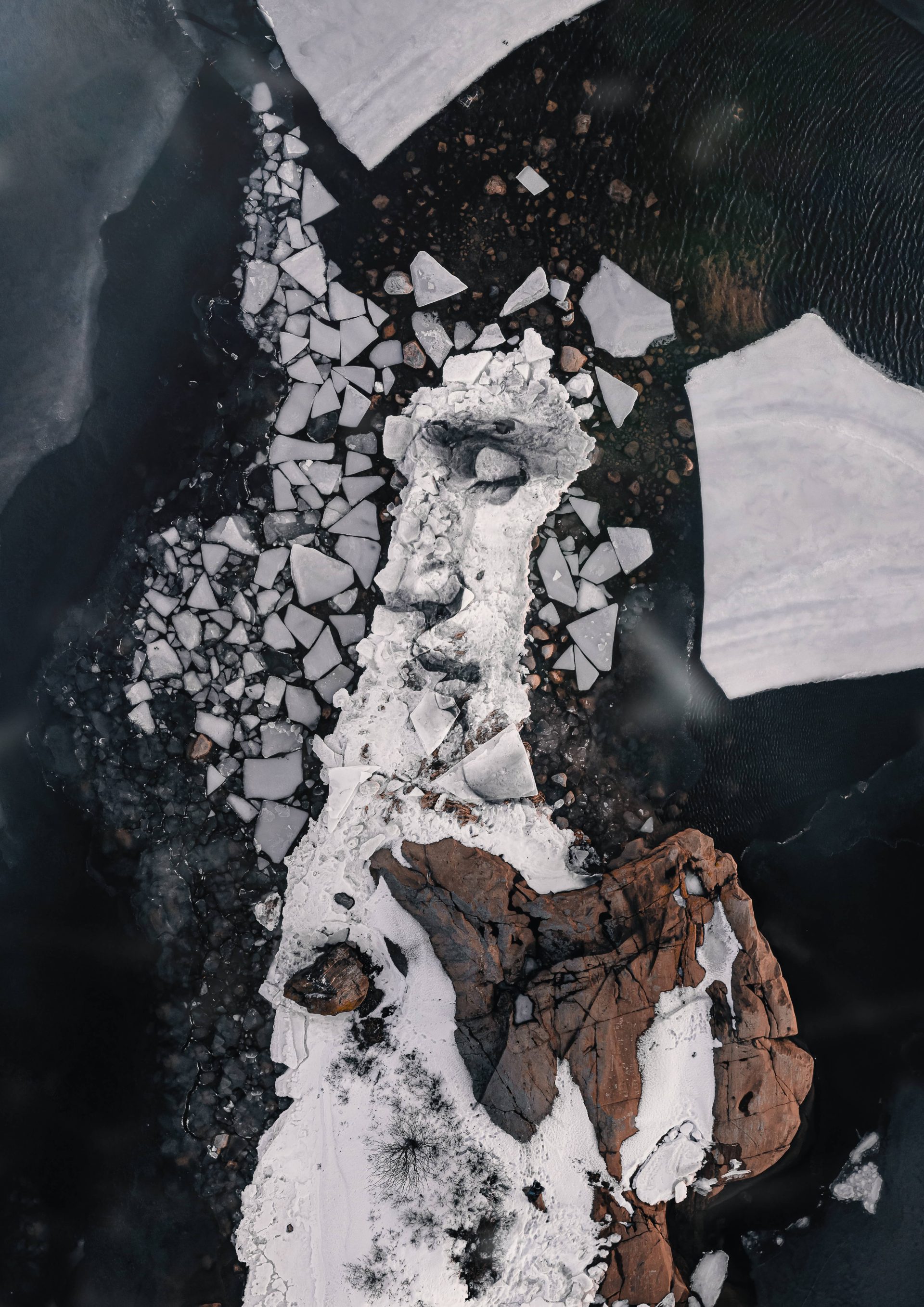
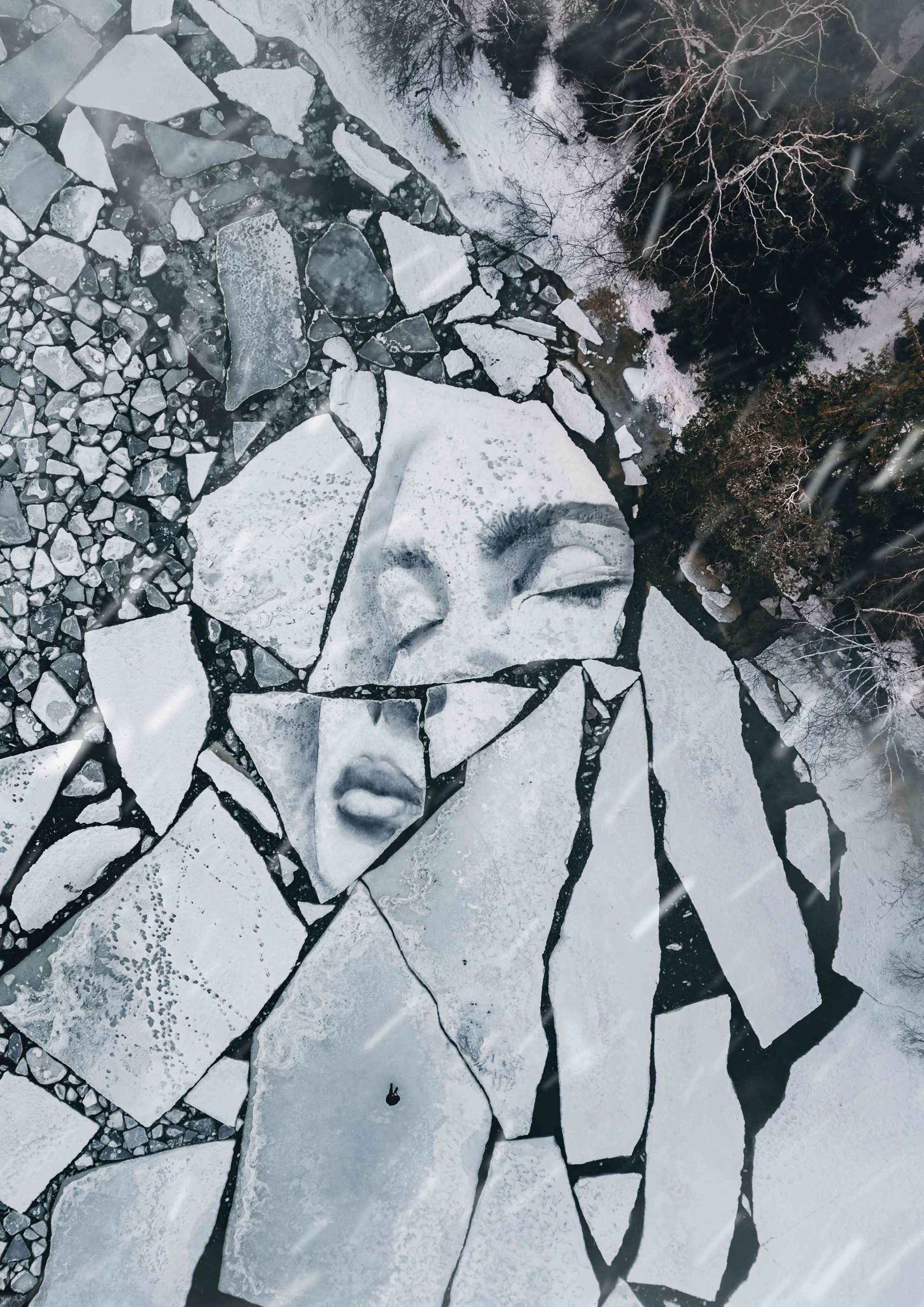
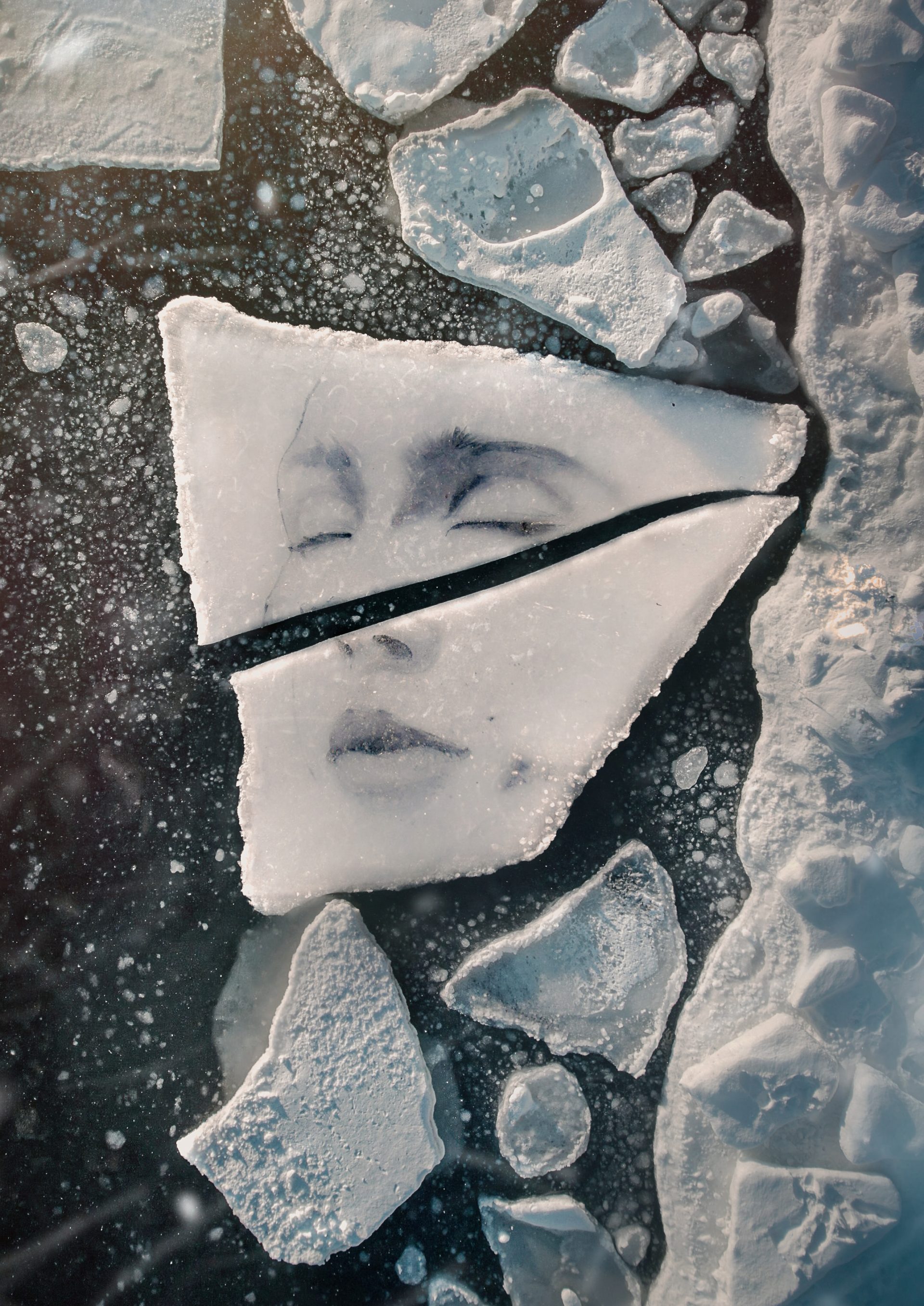
David Popa – born and raised in New York, the son of one of the Big Apple’s first graffiti writers – combines adventure, unspoilt nature and the idea of transience in his art. He paints outdoors, on a giant scale, sometimes even on ice floes. THE FRANKFURTER spoke to him about capturing the ephemeral.
Text Angelina Matousek Photos David Popa
David Popa’s works are a dynamic conversation with nature about the origins and destiny of the world and of humankind. And just as the things of the world are transient, his works adorn the landscapes only briefly before nature reclaims them. The artist swapped the studio canvas for the largest canvas in the world – nature. Whether glacial landscapes, rocky coasts or bone-dry deserts, he transforms them all into unique and fleeting glimpses of the world’s transcendence. Drone images convey the gigantic scale of his works.
Hello David, you now live in Finland. That’s quite a change of scene from New York. How did that come about?
David Popa: “Before my final year at college, I travelled to Finland on a whim and fell in love with a girl. It’s actually a pretty clichéd story that explains how a lot of foreigners end up in Finland. I decided to move the following year, and shortly afterwards we got married. Now I live here with my wife and my three children.
Your father, Albert Popa, was one of the first graffiti writers in New York City and introduced you to art. Did that create a special bond between the two of you?
“Definitely. I have a very close relationship with my father, and my story is of course linked to his. On my own artistic path, things came full circle when I started going outdoors to create meaningful adventures with my art – very similar to my father’s wild graffiti adventures in New York in his youth.”
You currently work mainly in and with nature to create fleeting, so-called “ephemeral earthworks”. What fascinates you about that?
“Working outdoors, in nature, is a holistic experience that affects me in ways I still can’t fully grasp. Physically, mentally and spiritually, I feel absolutely content and fulfilled at the end of each day. It bears no comparison with the time when I worked only in the studio. You never know how the weather will turn out, what surprises you’ll experience, how the landscape will inspire you to think completely differently and create something quite different from what you had planned. Put simply: it’s an adventure – and that’s what I always wanted for my life.”
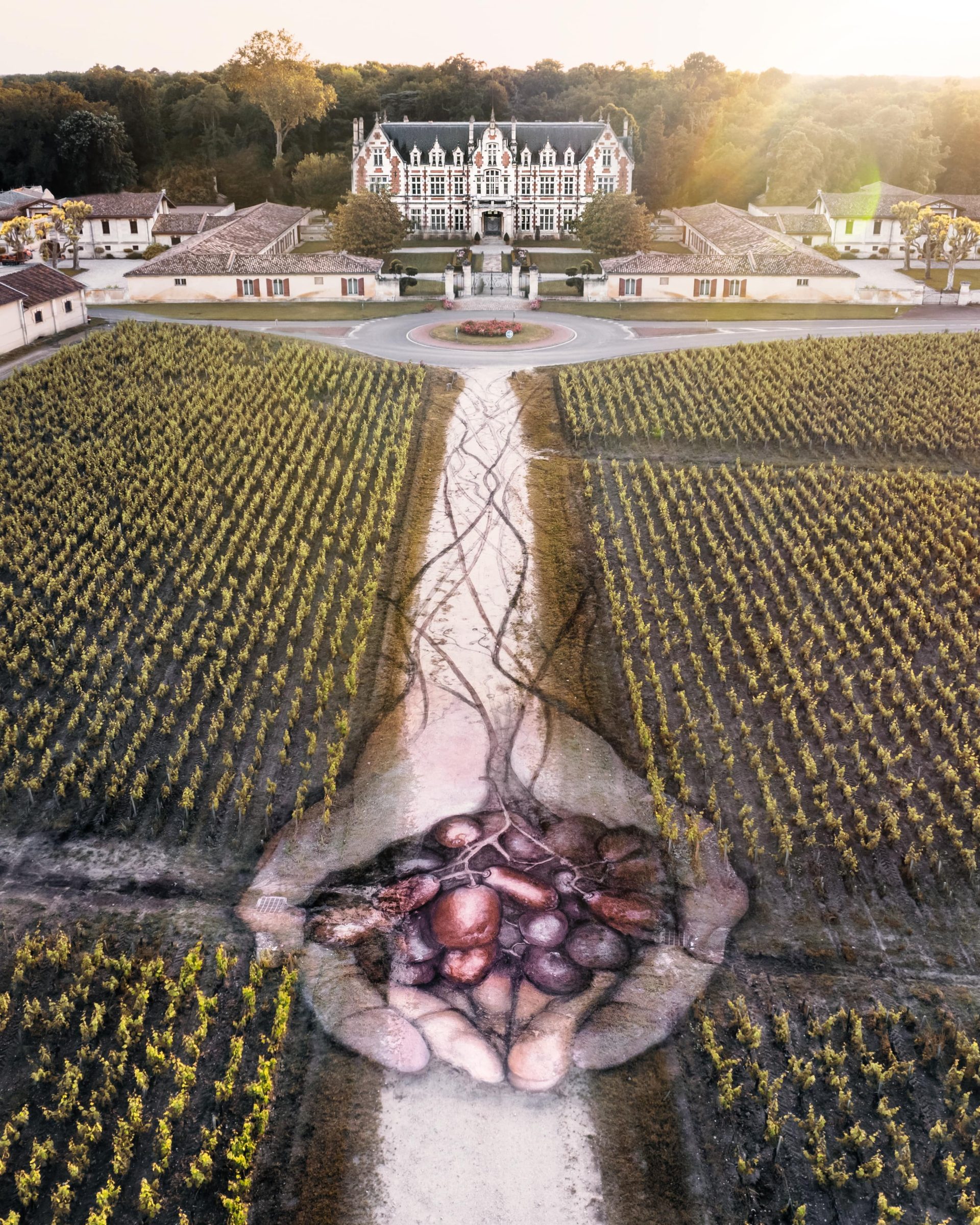
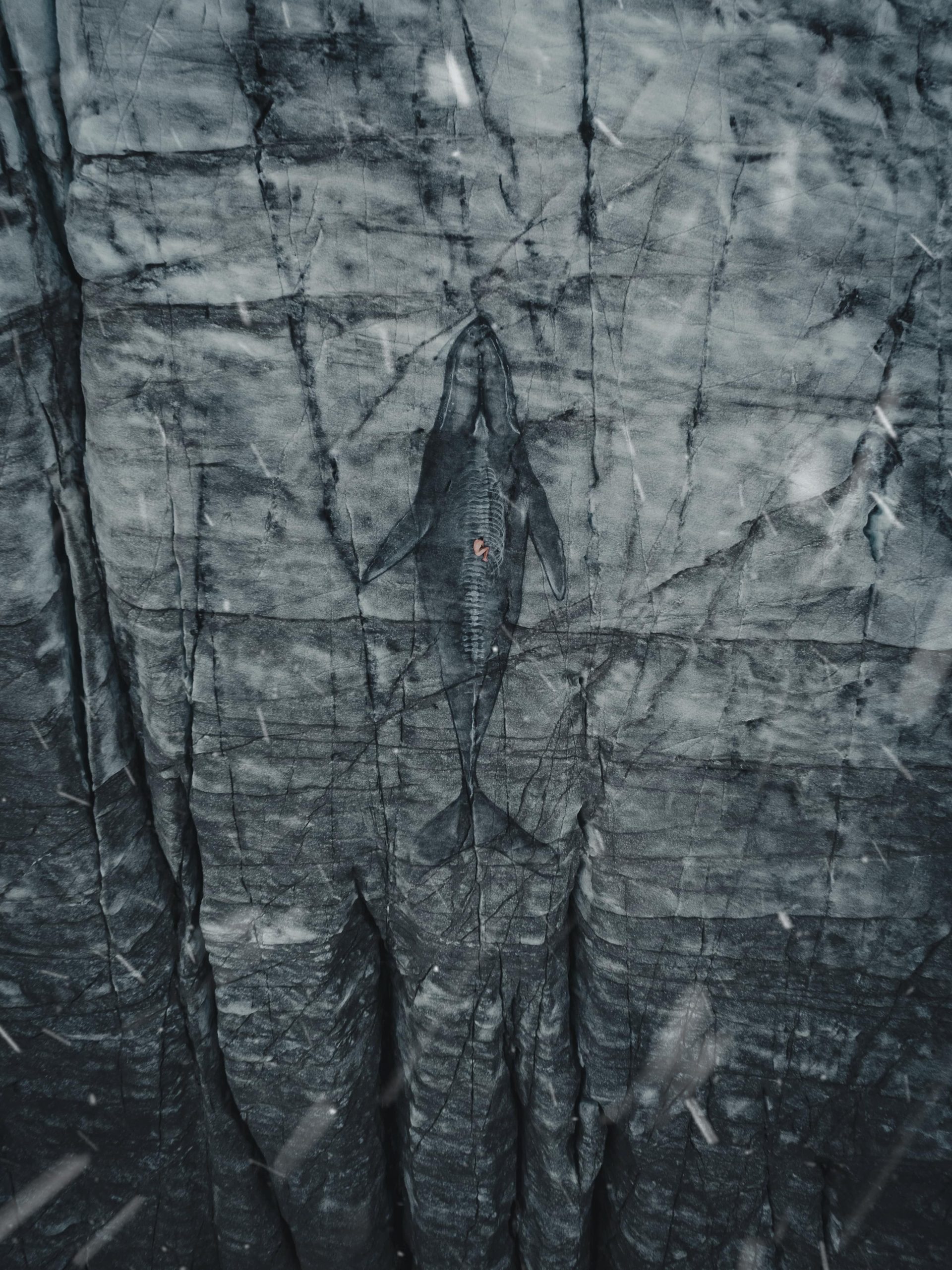
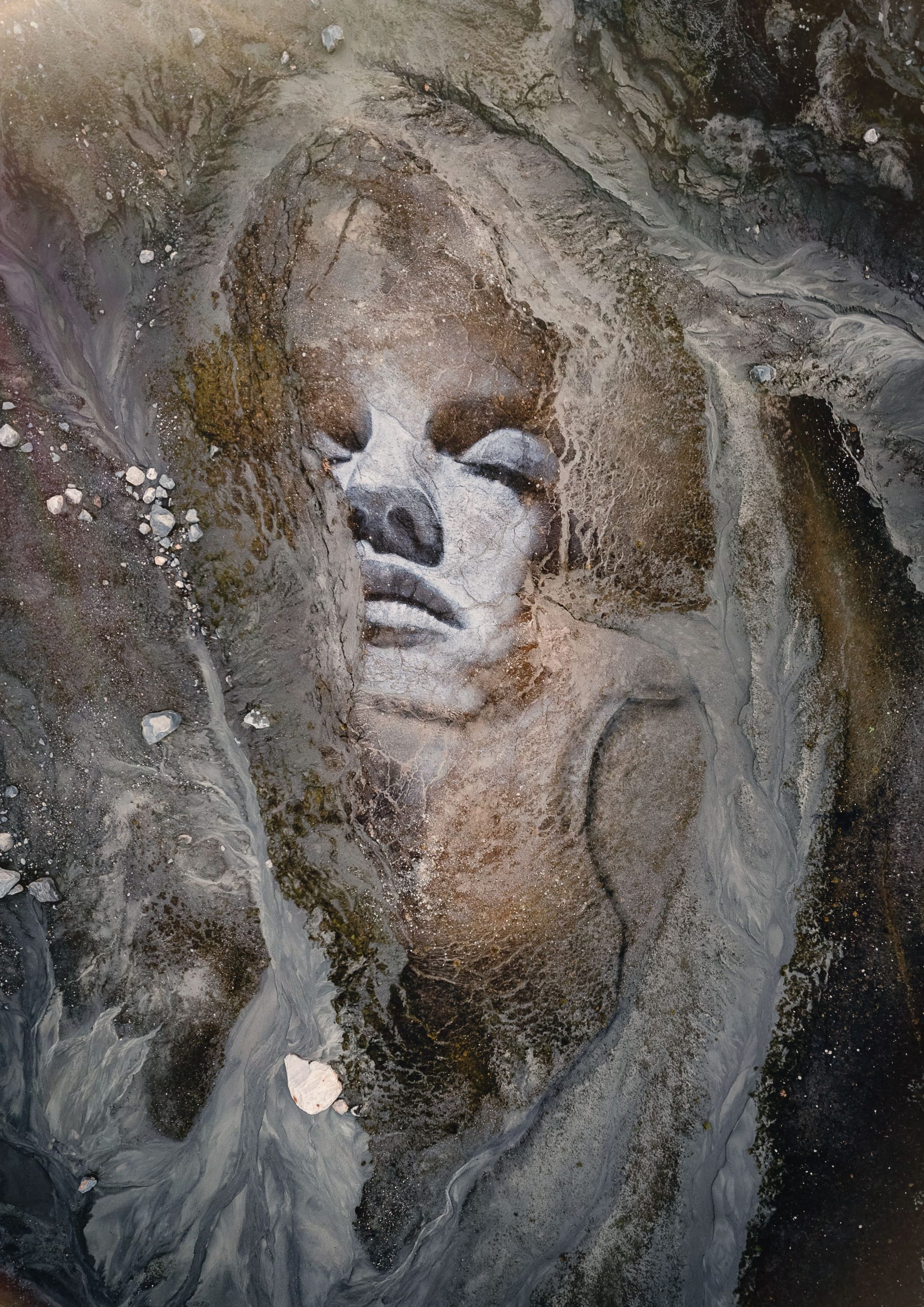
It’s about the sense of wonder and mystery in the face of the world we live in, and the fragility of it all.
— David Popa
The places you choose seem to come from another time.
“For some reason, I’m drawn to ethereal, vast, almost barren landscapes. Finding the locations is actually quite simple. I search for places on Google Maps and then set off. Sometimes the places are all over the world; sometimes the best spots are just 15 minutes from my home in Finland.”
You use charcoal, earth pigments and ground shells – raw materials that were also used for the earliest cave paintings. What inspired you to do that?
“When I started this project, I knew the pictures should be ephemeral. It just didn’t seem right to me to add my works permanently to the landscape I loved so much. I only wanted to be part of it for a brief moment and capture my work through photos and videos. At first it was quite a complex process to find a way to put this into practice. Then I had the idea of investigating what the cave painters used as ‘paint’. I soon discovered that sometimes it wasn’t paint at all. It could simply be saliva mixed with charcoal. Then I realised that all I had to do was mix water with natural pigments to create a medium that is probably the most environmentally friendly you can use.”
What do you pay attention to when planning a project?
“My new series ‘Artist In the Wild’, for example, is essentially an attempt to capture the transcendent and overwhelming emotions we all feel when we find ourselves in such impressive places in nature. At this point, planning a project really isn’t very formulaic. I bring along a filmmaker and one or two friends to help me, and then we see how it goes. We often sleep in my converted Sprinter, camp, or sometimes have the privilege of being put up by people we meet along the way. That’s all part of the adventure, in which we try to find out what wants to be brought to light.”
More stories








GET IN TOUCH