
Art
A SPACE CALLED HEUSSENSTAMM
In autumn 2019, Christian Kaufmann took over the management of the foundation of the same name, established more than 100 years ago by former mayor Carl Jakob Moritz Heussenstamm, with the aim of repositioning it conceptually and sharpening its profile. What has the art historian been able to achieve in his first two years, which were entirely overshadowed by Covid? Gallerist Heike Strelow met him for an interview.
Text Heike Strelow Photos Günther Dächert
Christian, as a visible sign of change, the name of the exhibition space on Braubachstraße was changed when you started as head of the foundation. It is now called “Heussenstamm. Raum für Kunst und Stadt”. Is the name a statement of intent?
We wanted to strip the space of its gallery character and emphasise its quality as an open space for art. We have launched a new exhibition series showing urban phenomena, which we run in cooperation with the Deutsches Architekturmuseum and the magazine urban shorts. It runs parallel to the ‘big’ art exhibitions. The frequency of projects has been increased, which of course also means we need to raise more external funding. Our presence on social networks has also been expanded, including our own YouTube channel.”
In your new role, art is once again more central for you. What is your aim?
“The desire to work more with art again was one of the main reasons for this change. But I am also very drawn to the question of the cultural region and thus the question of the regional and its quality – in relation to art.”
But debates on social and cultural policy issues are also at the centre of the new direction. Covid acts like a magnifying glass for social ills. Are you addressing that?
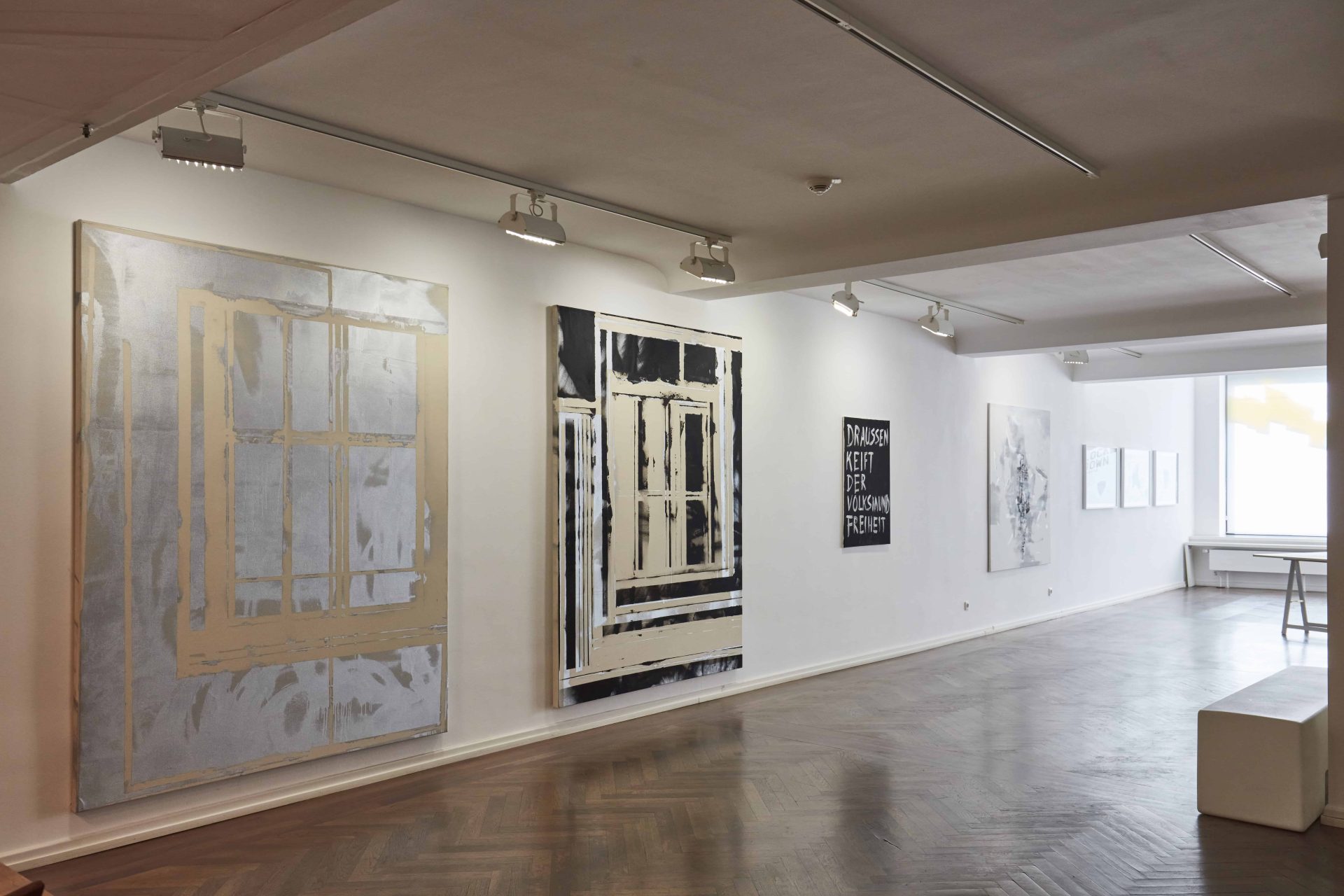
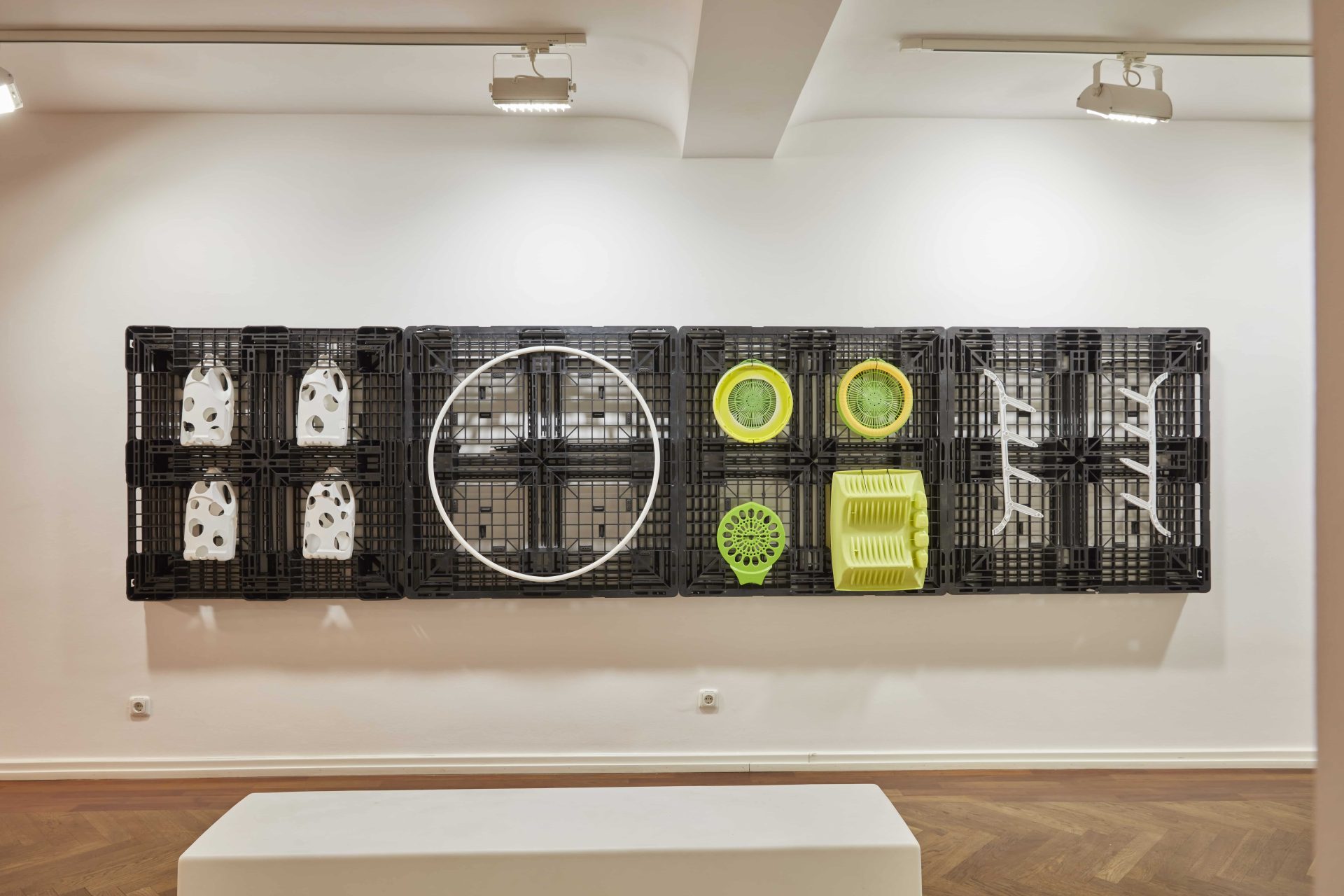
“An exhibition in the spring was about exactly that. With ‘Lockdown. Kunst und Krise’ we showed 43 positions dealing with the themes of the pandemic: environmental destruction or social distancing, for example. There were works that took up the question of who counts as ‘essential’, also in relation to the artists’ own position in society. Covid has exacerbated the precarious financial situation of artists, and we wanted to address that with the project too.”
Covid forced you to postpone some projects. How many of your plans have you been able to implement so far?
“After a long closure, many exhibitions have been postponed to 2022. Salons are on ice or have to be moved into public space. Nevertheless, we were able to realise some larger cooperative projects that I see as pointing the way forward and that I would like to expand in future. Larger network projects that are important for our institution because of their synergies.”
What awaits us in the coming months at “Heussenstamm. Raum für Kunst und Stadt”?
“We start in September with malatsion and Edwin Schäfer, whose works deal with questions of evolution. The Covid crisis remains a theme. For example with the exhibition ‘Wir vermissen euch’ (We miss you) on Rathenauplatz, in which the photographer Günther Bauer explores the lockdown in schools. November brings the exhibition by Nikolaus Nessler as well as a larger project exploring the combination of living and working among artists – another topic that has become more pressing during the pandemic. Three artistic projects in aesthetic education for young people are also planned, in cooperation with schools or as open workshops. An important area for the foundation, which is also to be expanded in the long term.”
More stories








GET IN TOUCH