
Art
100 YEARS BRAUN
Founded in Frankfurt 100 years ago, Braun became known from the 1950s onwards for its shavers, audio and kitchen appliances, film cameras and clocks in a radically functional style. Apple, too, took its cue from the designs of Dieter Rams, the company’s long-standing head of design. That alone shows: the brand’s design is iconic.
Text Martina Metzner Photos Hans G Conrad, Dieter und Ingeborg Rams Stiftung, Braun/P&G, Archiv Kronberg,
Our electrical appliances should be unobtrusive, quiet helpers and servants.
— Erwin Braun (1921–1992)
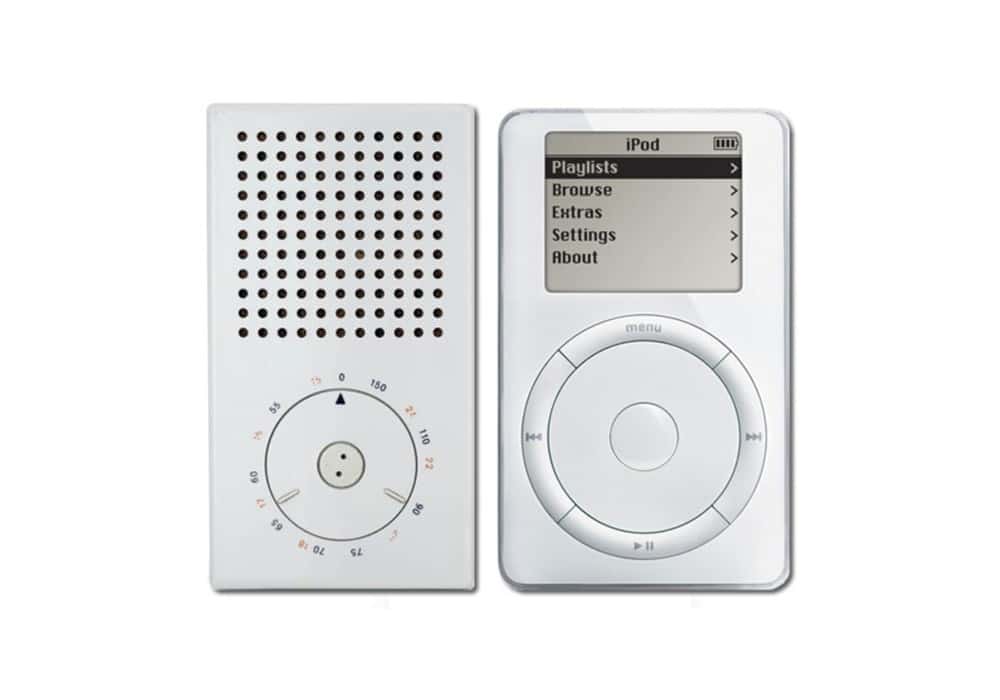
There are a few things that make Americans envious of us Germans – namely luxury cars such as Mercedes or BMW, hearty home cooking with bread, beer and sauerkraut – and the products of the Braun brand. Since the birth of the iPhone in 2007 it has been known that Apple’s then chief designer Jonathan Ive was inspired by the products of the Kronberg-based electrical goods manufacturer – and not only for the iPhone, but also for the iPod and the iMac. It is the pinnacle of a cult around Braun products that began in the 1960s and today is kept alive not only by collectors in the classic sense but increasingly by young, design-minded people.
Braun inspired Apple – a compliment.
— Dieter Rams
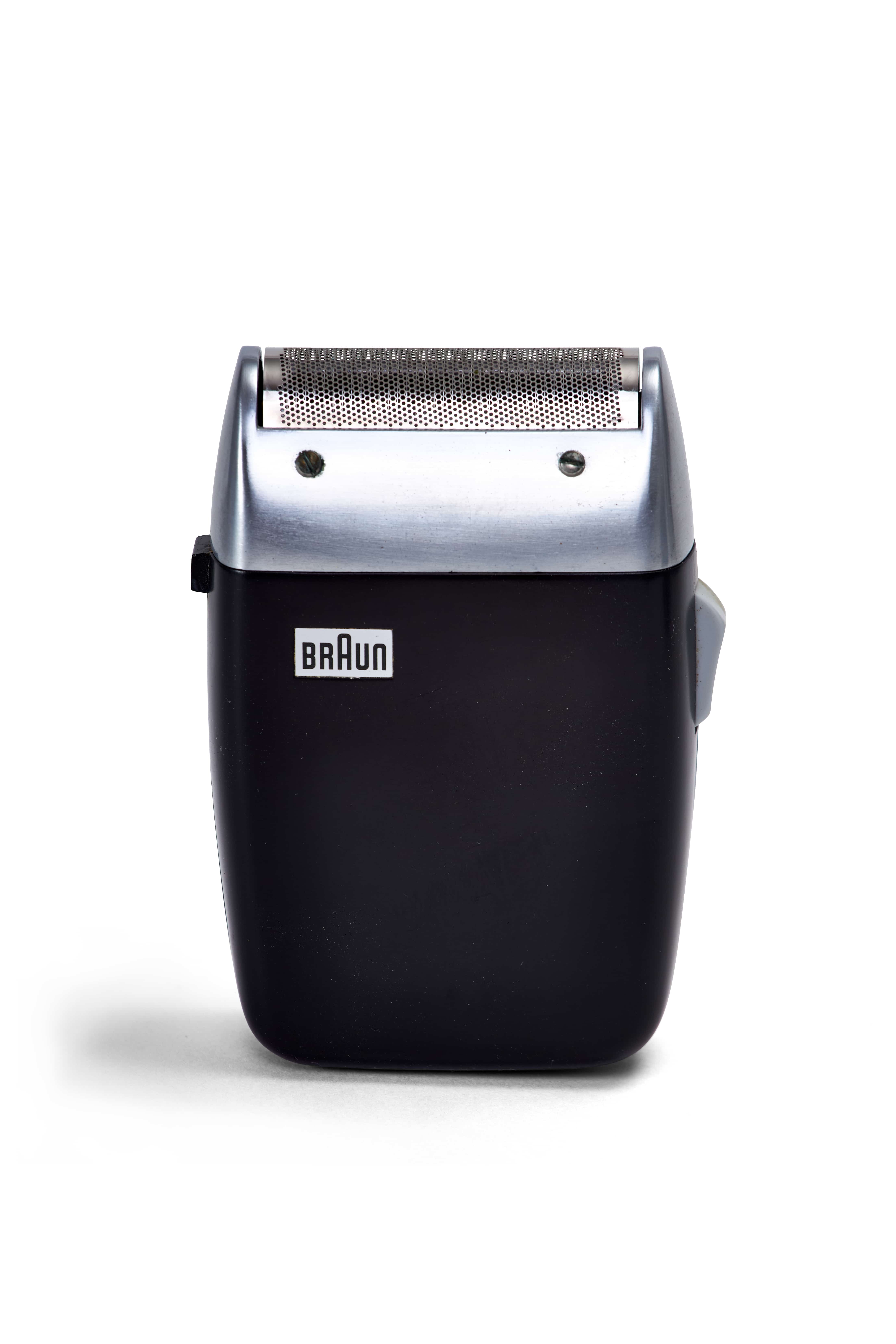
1951 After the death of Max Braun, his sons Artur and Erwin take over the business. Together with the art historian Fritz Eichler, Erwin builds a network of artists, designers and creatives – including from the HfG Ulm. · 1956 The radio-phono combination “Super Sk4”, designed by Hans Gugelot and Dieter Rams, is a pioneer of functional design in the post-war period. Because of its Plexiglas lid, the device is popularly known as “Snow White’s coffin”. · 1957 The “KM32” (design: Gerd Alfred Müller) sells 2.3 million units.
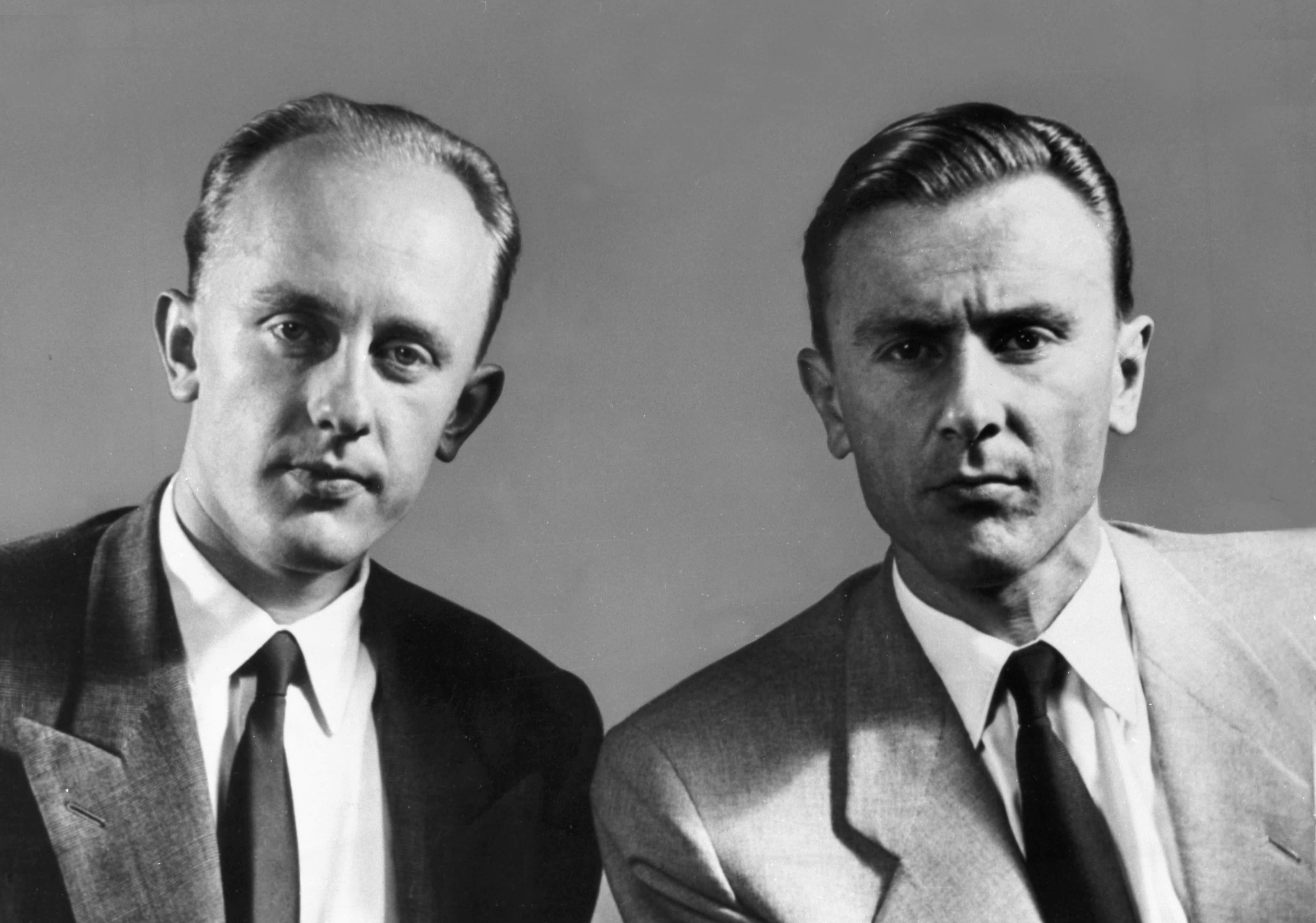
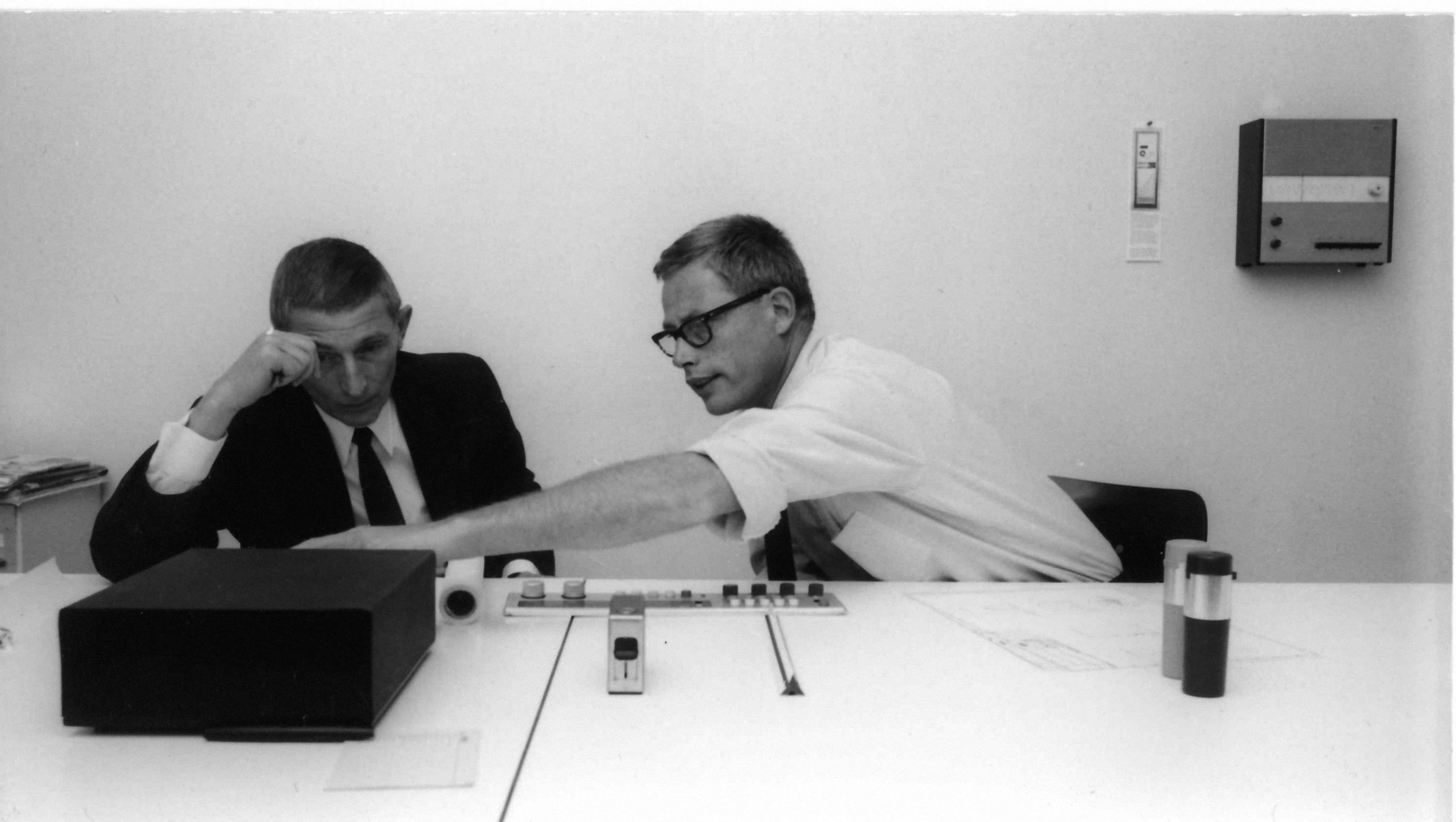
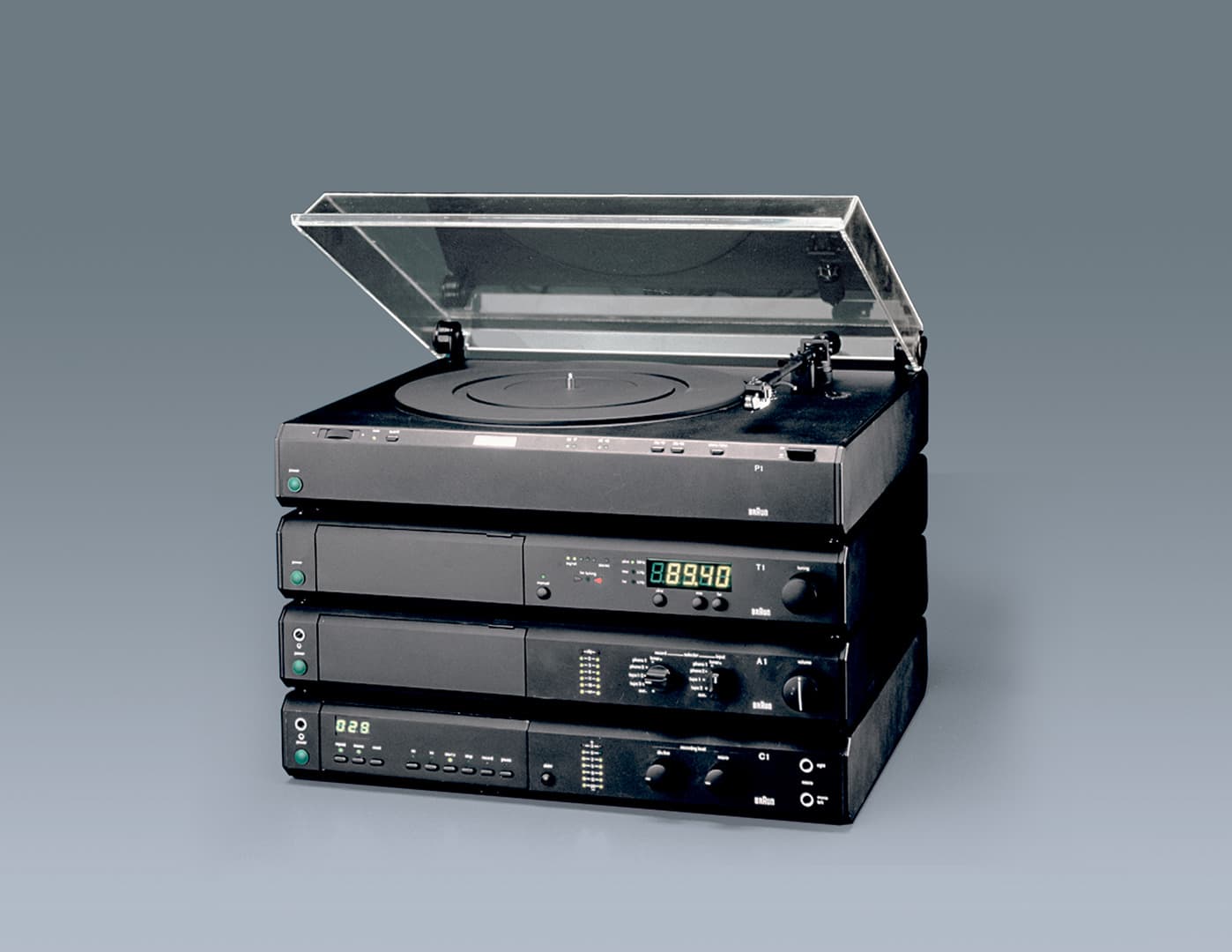
1961 Dieter Rams takes over as head of the design department and shapes the “Braun style” with many design classics (pictured with Fritz Eichler). · 1962 Bestseller: with ten million units sold by 1973, the “Sixtant” breaks all sales records. The black-and-silver combination becomes the standard for radios, music equipment and cameras for decades. · 1979 Beloved flop: Braun’s Atelier series was an expensive modular hi-fi system – with little market success but many devotees. Production ends in 1990. Today collectors pay high prices for it.
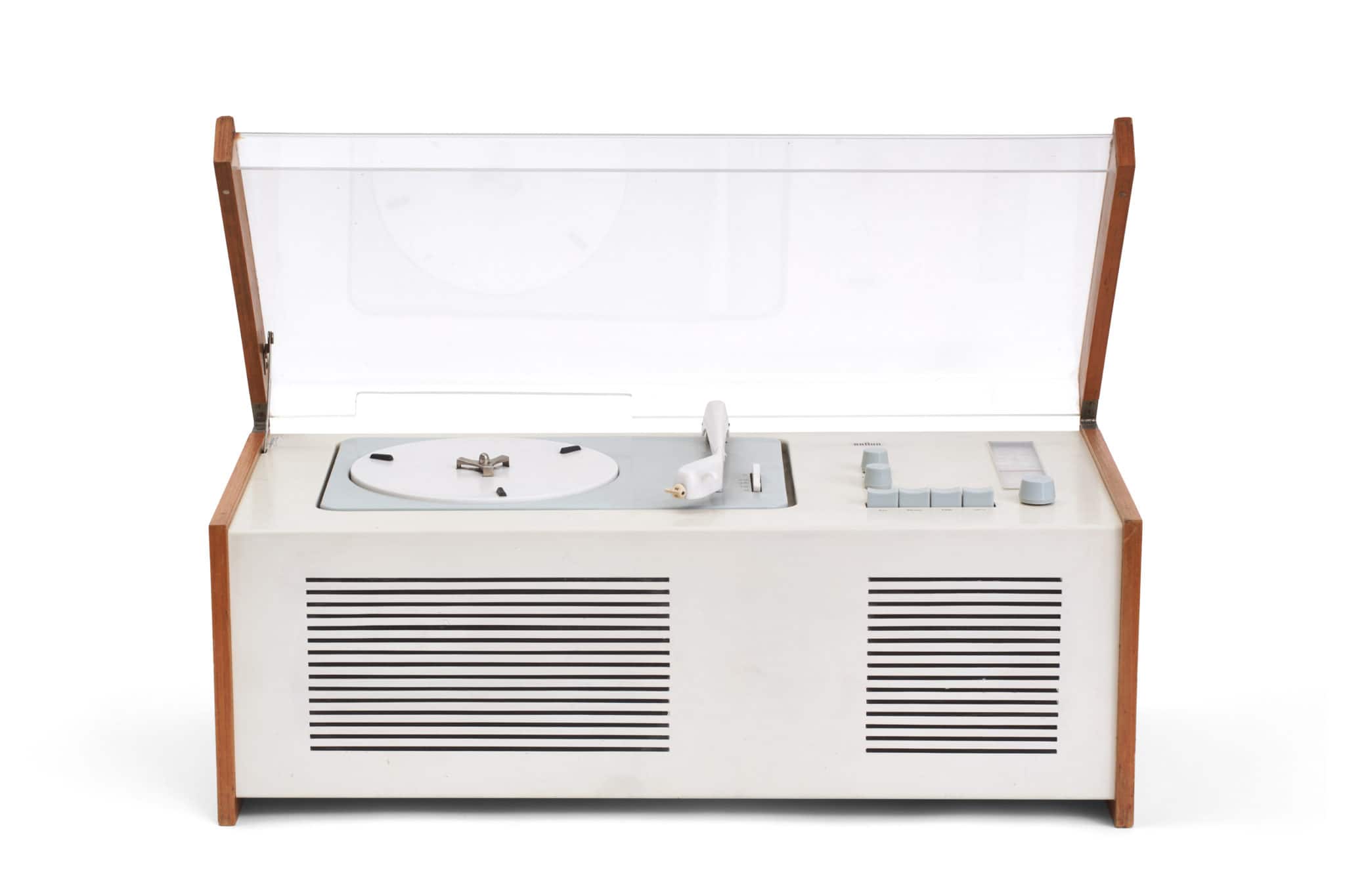
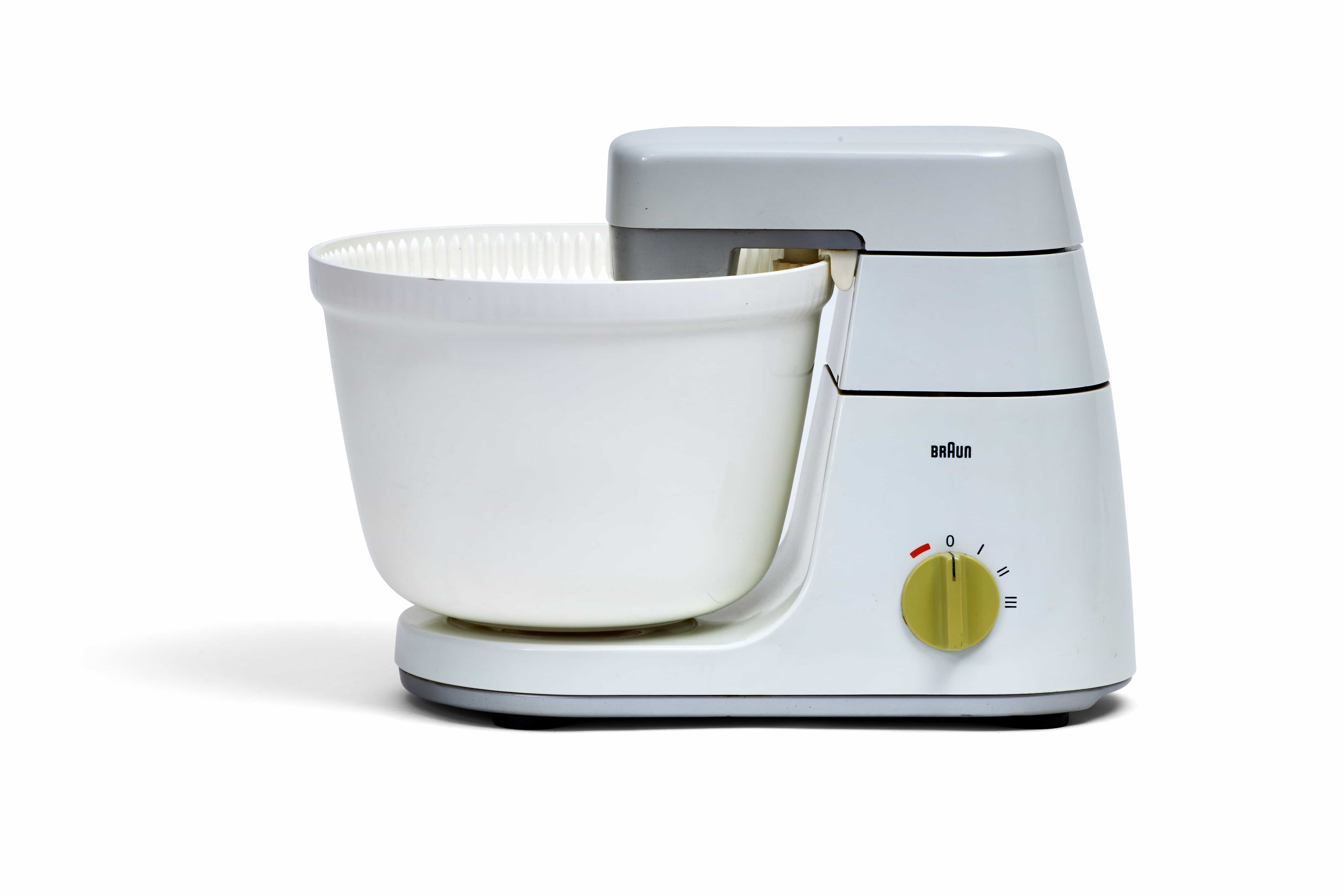
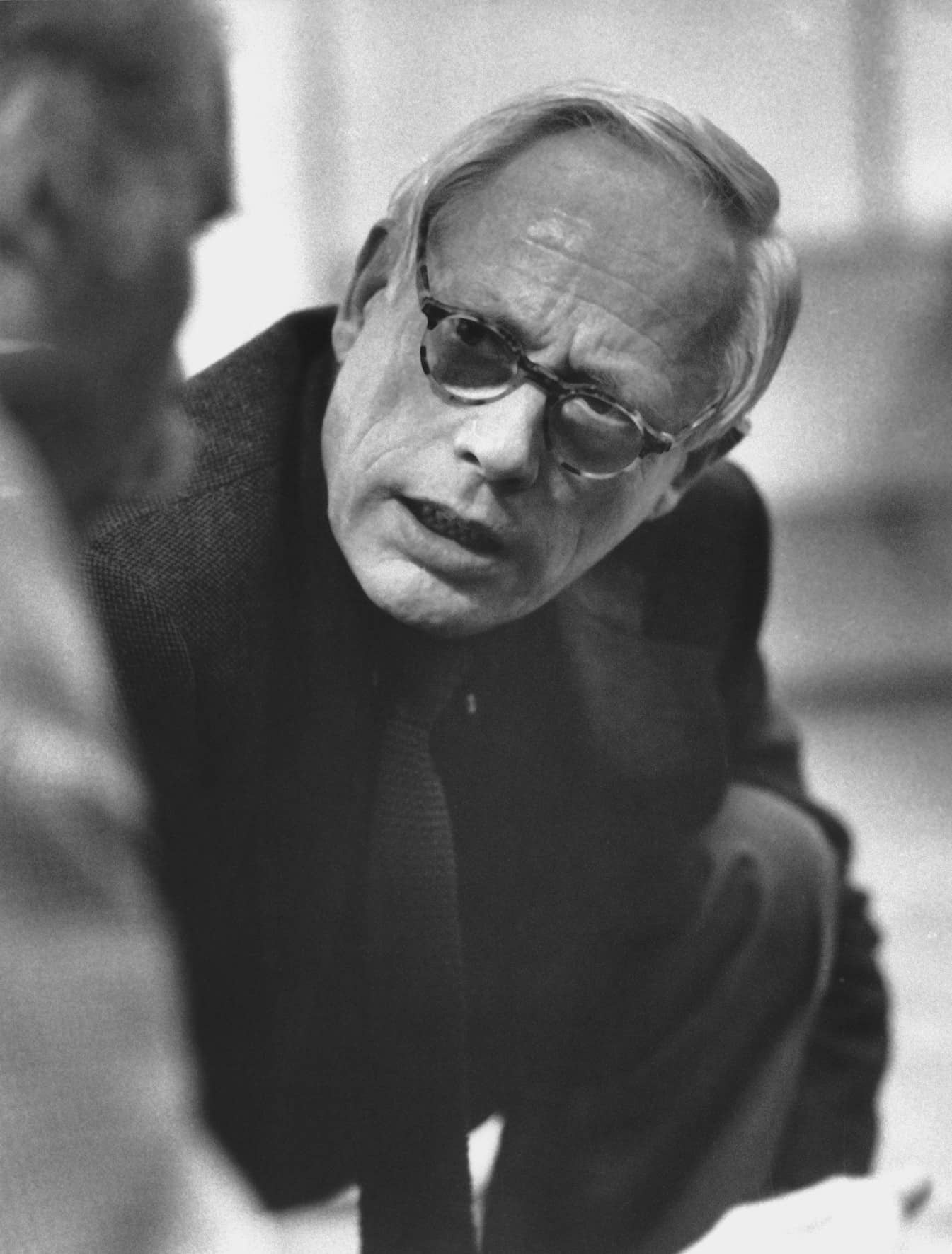
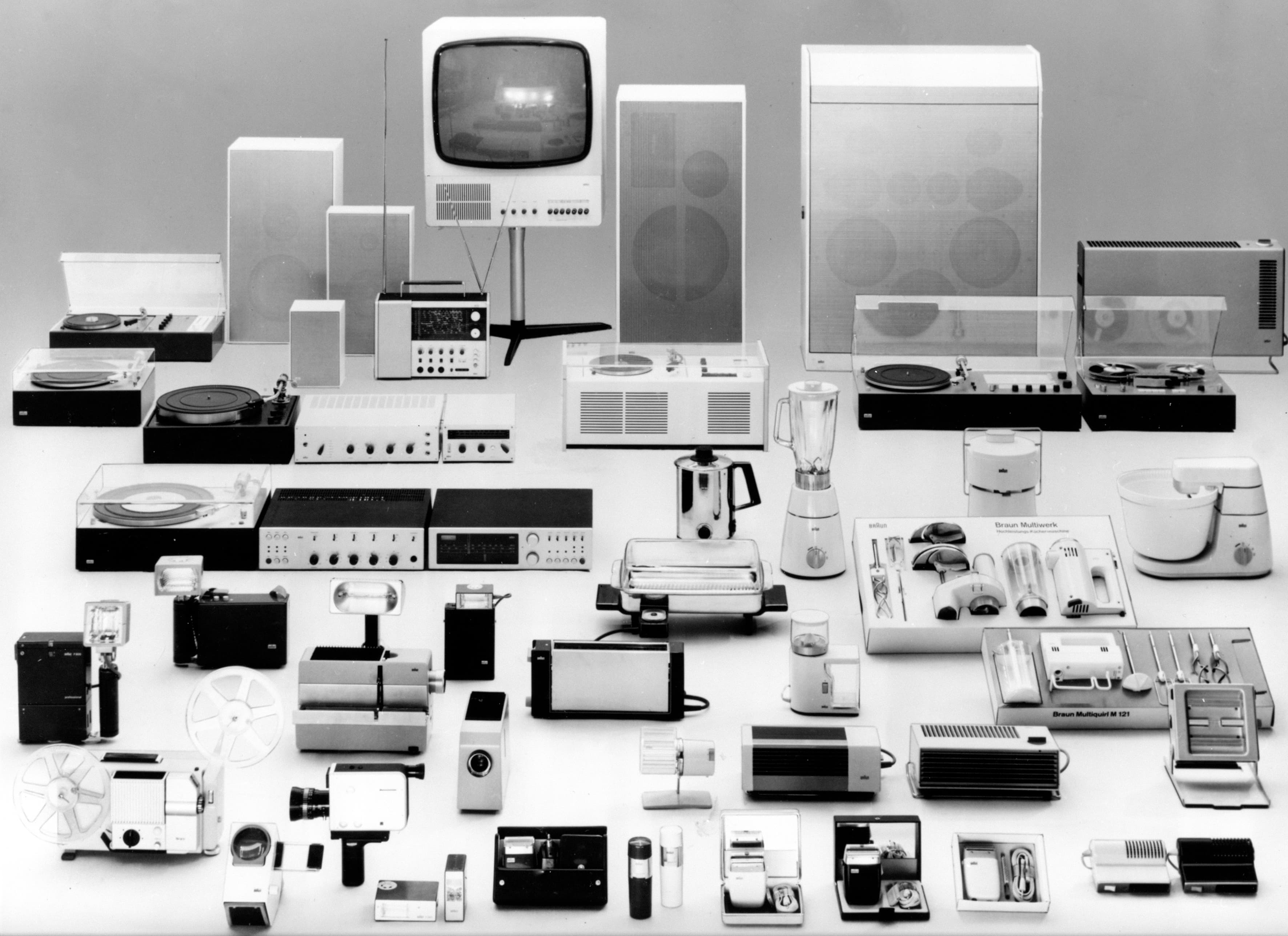
The functionally designed shavers, audio and kitchen appliances, film cameras and clocks represent German design par excellence – true to the motto coined by the company, “Less, but better”. Braun devices can be found in design collections around the globe, such as the Museum of Art in New York. Dieter Rams, Braun’s former chief designer, who lives in Kronberg im Taunus and is still interested in everything at 89, is regarded as the undisputed hero of international product design. Braun rose to prominence in the post-war years – hardly any other company shaped the German consumer goods industry more during this period.
Let’s turn back the clock a little and look at this unique success story and its design secret.
AHEAD OF THEIR TIME: ARTUR AND ERWIN BRAUN
Max Braun’s company was founded in Frankfurt am Main in 1921, exactly 100 years ago. It made what many others made too: radios, including the well-known Volksempfänger of the Third Reich, indispensable at the time and the most up-to-date medium of its era. There was nothing special, however, about the boxes made of brown-glazed wood or the then-new plastic Bakelite.
It was only in the post-war years, when Max Braun’s two sons took over the company in 1951 after his early death, that Braun ascended to design Olympus. It was Erwin Braun, the extroverted cosmopolitan, who during the reconstruction years wanted not just to look back but to usher in a new phase. While others longed for the dark, heavy home interiors of the 1920s, new currents were arriving from the USA and Scandinavia, whose modern, light and carefree design of everyday objects – from furniture and fashion to cars – went hand in hand with a longing for a new idea of how to live, one that would leave the dark past behind. Erwin Braun looked for like-minded people, and so he hired the art historian and stage designer Fritz Eichler, whom he had met during the war, and made him responsible for the outward appearance of the company and its products.
JOINED FORCES: BRAUN AND THE HFG ULM
Eichler brought Braun into contact with the avant-garde of the architecture and design scene of the day – alongside Herbert Hirche and Wilhelm Wagenfeld, a shared outlook was quickly found at the Hochschule für Gestaltung in Ulm, established after the war. Founded by, among others, Inge Scholl, the elder sister of the Scholl siblings, it set out to pick up where the Bauhaus, dissolved by the Nazis, had left off, and in a similar way to shape people and society through design. Like the Bauhaus, Ulm was social-democratic in outlook and interested in improving the living conditions of the broad masses. From then on, a fruitful collaboration developed between Braun and the HfG Ulm until its closure in 1968, beginning with Hans Gugelot, head of the design department, and involving many other Ulm figures, including Otto “Otl” Aicher, co-founder of the HfG. This cooperation produced a series of product developments that were technically state of the art – and, above all, reduced to the essentials.
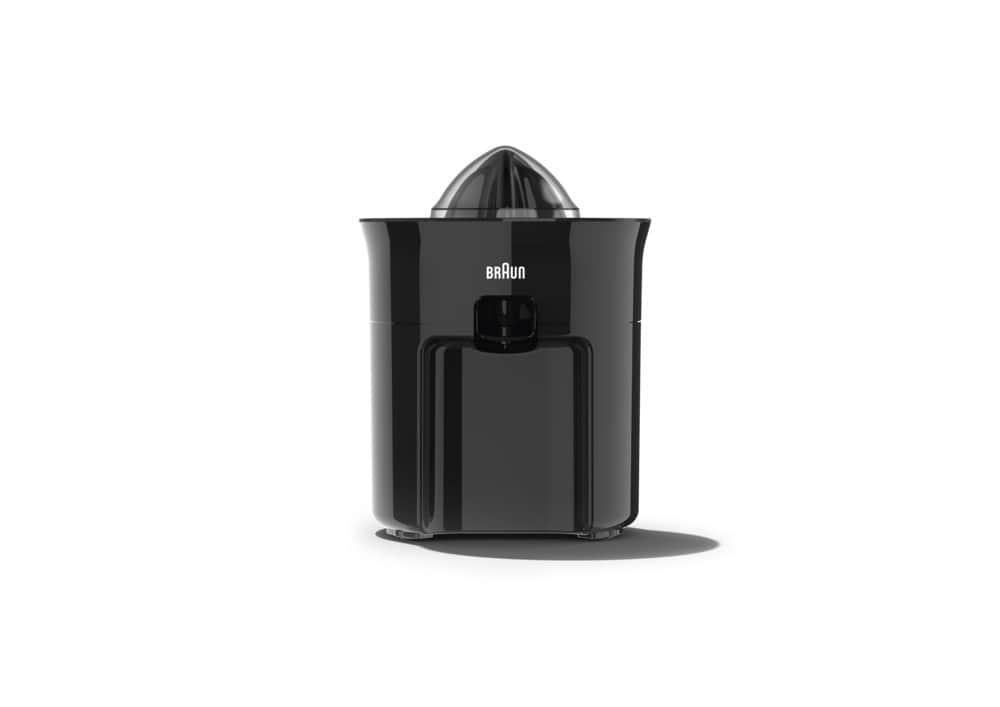
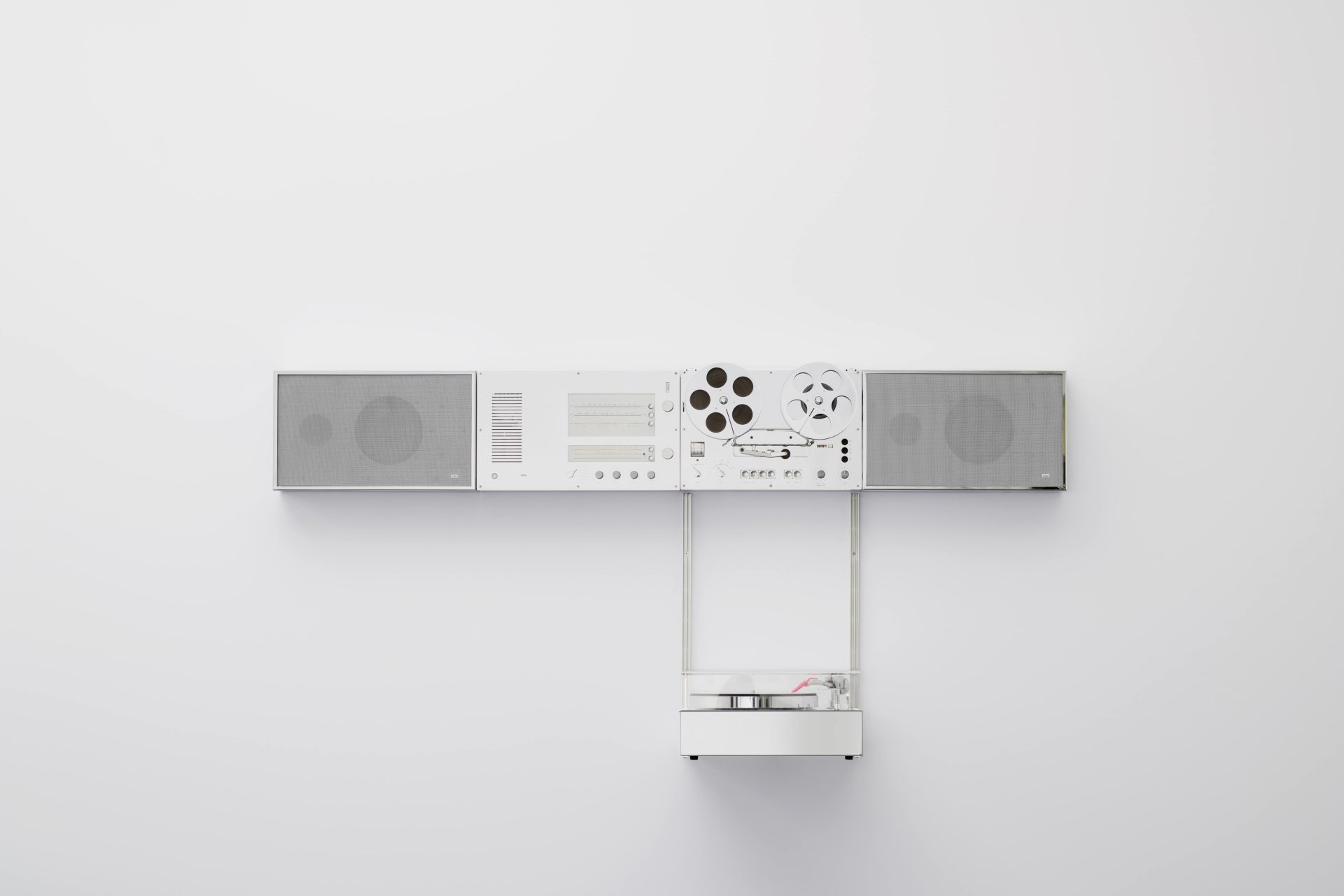
1993 Dieter Rams formulates the “10 principles for good design”. · 2021 Braun celebrates its 100th anniversary, among other things with a black “100 Years Limited Edition” that also includes the classic citrus press from 1972. · 2021 Commissioned by Braun, US artist, fashion designer and musician/DJ Virgil Abloh puts his signature on Dieter Rams’ audio wall unit (1961). The result is a chrome-plated one-off.
“The design history of the Braun brand serves as inspiration, but it has to be translated into the present day and developed further. For this we coined the expression ‘Past Forward – looking back and forward’. We want to continue developing products with a timeless aesthetic that simplify life and have a long lifespan.”
— Oliver Grabes, Head of Braun Design
“MR BRAUN” DIETER RAMS
The company grew rapidly in the 1950s and 1960s, driven above all by its successes with shavers, particularly in the USA. It had almost 5,000 employees internationally (by comparison, today there are around 3,800). Throughout, it never strayed from its design philosophy oriented towards simplicity, based on the three pillars “simple”, “functional” and “durable”.
Alongside its collaboration with independent designers, the company built up its own design department and – another novelty at the time – founded a Braun Prize (1968), with which it rewarded and also recruited young talent. Dieter Rams, a trained architect from Wiesbaden, became head of the design department in 1961 – and remained so until 1995. This was to be the second formative design phase, in which the hi-fi equipment stood out above all – a must-have at the time. Because of their price, these were not suited to the mass market, but they did all the more to burnish the company’s reputation. Dieter Rams – known in the USA simply as “Mr Braun” – embodied the Braun attitude like no one else and formulated the “10 principles for good design” – a classic that design students still use as a guide today.
GOOD DESIGN FOR THE NEXT 100 YEARS
In 1967 the Braun brothers sold the majority stake in their company to the US corporation Gillette. In 1991 the hi-fi division was discontinued because it could no longer hold its own against competition from Asia. Since 2005 Braun has belonged to the US consumer goods group Procter & Gamble. In 2012 the kitchen appliances were licensed to the Italian household appliance group De’Longhi.
With a focus on Braun’s core business of shavers and electric toothbrushes, Oliver Grabes, a native of central Hesse, now steers Braun’s design, and together with his team knows how to connect yesterday with today. In 2014, for instance, a re-edition of the iconic kitchen appliances came out, and in 2019 a reissue of the speakers. For the anniversary, alongside a special product range in black, the company also invited US artist Virgil Abloh to reinterpret the absolute style icon of the company, Dieter Rams’ audio wall unit. This cult device from 1961, which looks like a painting when mounted on the wall, now gleams in chrome – like the “grillz”, the chrome-plated teeth of rappers.
Served as the model for the Apple iPod: the “T3” mini radio (design: Dieter Rams, 1958).
Anniversary exhibitions
BraunSammlung (with permanent exhibition) Company headquarters, Kronberg www.foerderkreis-braunsammlung.de · “Braun 100” Bröhan Museum, Berlin Until 29 August 2021 www.broehan-museum.de · “Dieter Rams. Ein Blick zurück und voraus” Museum Angewandte Kunst, Frankfurt Until 8 August 2021 www.museumangewandtekunst.de
More stories








GET IN TOUCH