
Food
TASTE FOR THE EXTRAORDINARY
Text Redaktion Photos Courtesy of Alchemist, Daniel Jensen, Søren Gammelmark, Tobias Lamberg Torjusen, Courtesy of Brutalisten
The world’s most unusual ingredients
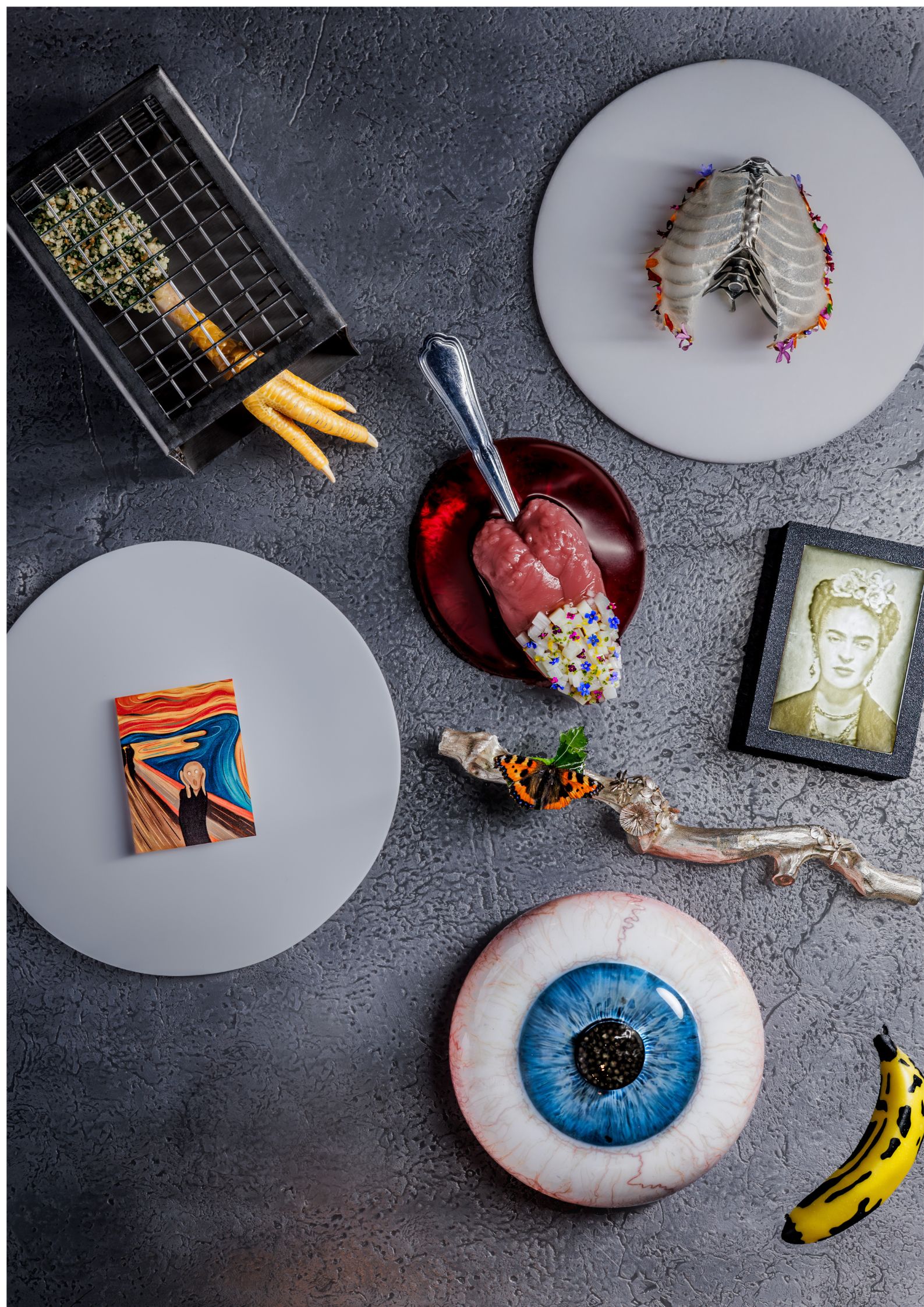
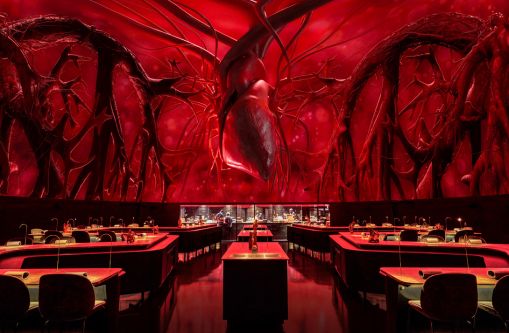
Exclusive venues, spectacular spaces and avant-garde head chefs are shaping the new international fine-dining scene. But beyond the setting, the extraordinary often begins much earlier: with the ingredients themselves.
More and more top restaurants are deliberately seeking out unusual, rare or almost forgotten ingredients in order to redefine taste and surprise guests.
Here is our look at some of the most fascinating examples – ingredients that carry the promise of the extraordinary in the raw material itself.
Pearls from the sea: seaweed caviar
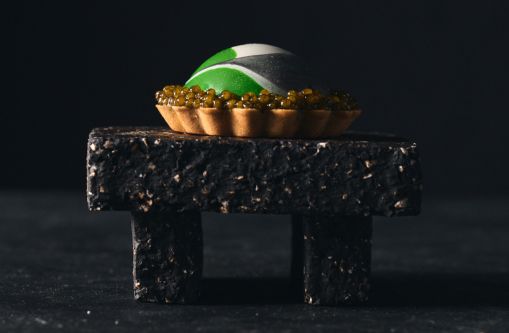
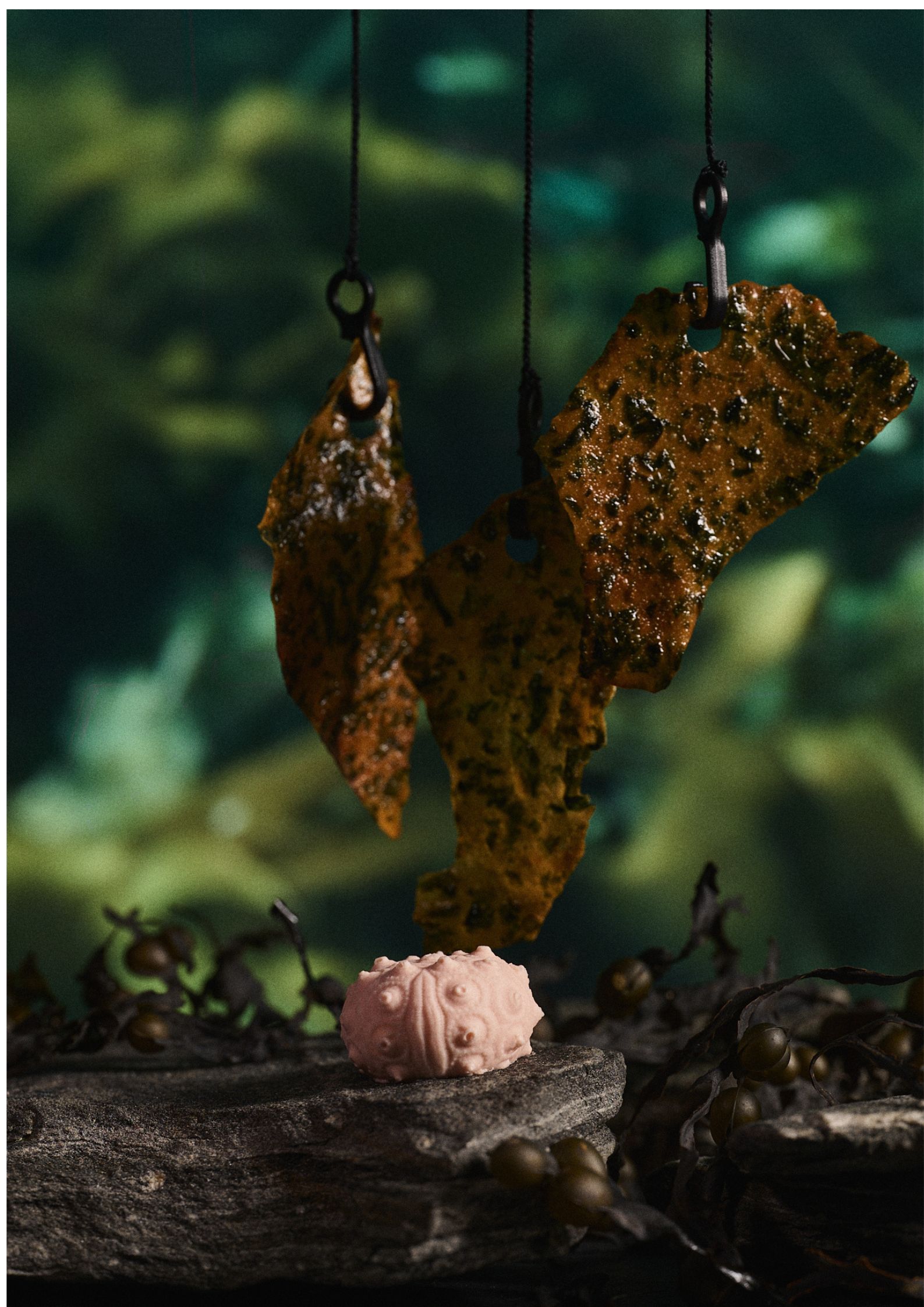
Seaweed has long since made the leap from Asian cuisine into haute cuisine. Particularly extravagant: seaweed caviar (algae caviar) – small, glossy pearls of algae extract that look like real caviar but bring a new, mineral-green flavour. Sustainable, plant-based, texturally exciting.
Rare beef varieties: Rubia Gallega & Arctic wagyu
While wagyu has long ceased to be an insider tip, variants such as Arctic wagyu or the meat of old dairy cows from Galicia (Rubia Gallega) are now making their way into fine dining. What makes them special: long ageing, high intramuscular fat content, an intense flavour of their own – the perfect basis for pure, uncompromising meat dishes.
Insects as a delicacy
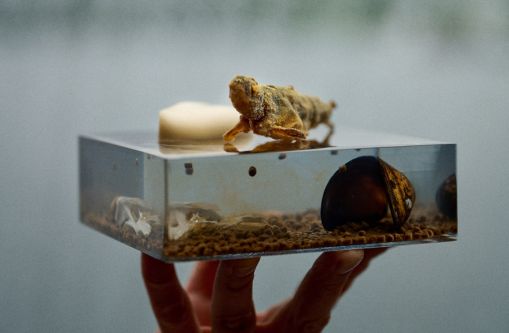
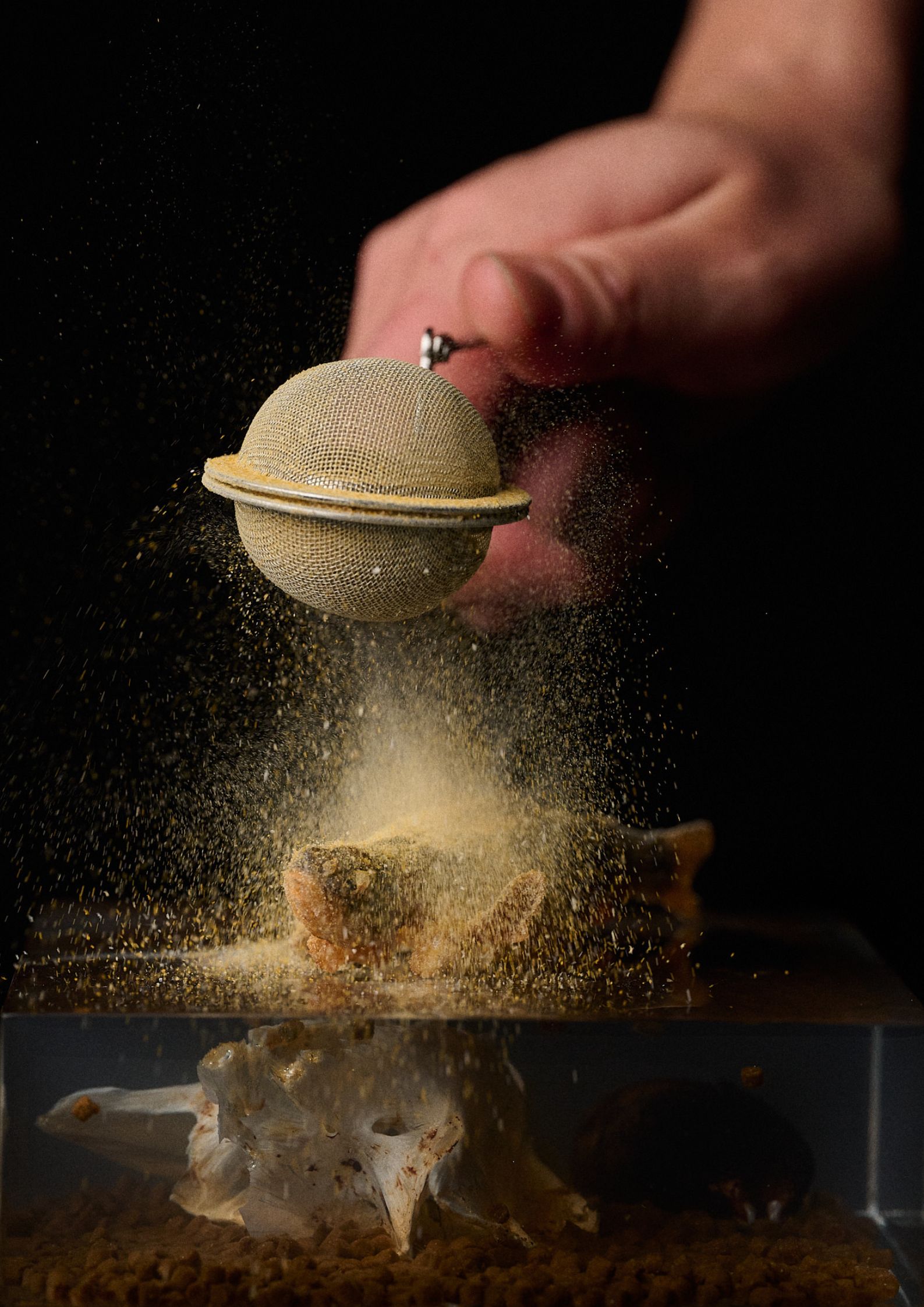
Firmly established in many cultures, eating insects is still regarded as an experiment here. But cricket flour, dried grasshoppers and crunchy ants are finding their way into progressive kitchens. The formic acid in the insects provides an unexpectedly citrusy freshness, for example on raw marinated fish or in sauces.
Unusual fermentation: garum, koji, black garlic
Fermentation is making a comeback – and not just with kimchi. Garum, an ancient Roman fish sauce, is being reinterpreted; koji mould transforms grains into savoury pastes; black garlic brings umami and sweet depth through months of ageing. These ingredients serve as “flavour boosters”, providing intense aromas that are often used with surprising subtlety.
Plants of the future: salicornia and sea fennel
In times of scarce resources, plants from coastal and salt marsh regions are gaining in importance: salicornia (“sea asparagus”) and sea fennel thrive on salty soils and provide crunchy textures and a salty, mineral freshness. On the plates of avant-garde kitchens, they are becoming a symbol of sustainable, climate-adapted nutrition.
Conclusion
Today, TASTE FOR THE EXTRAORDINARY shows itself not only in spectacular venues, but even in the carefully curated approach to the ingredients themselves.
What used to be considered “exotic” has long been part of a new culinary vocabulary – subtly bringing together storytelling and taste.
From algae to ants: the future of fine dining tastes of experimentation, sustainability – and a desire for new horizons.
Discover more





GET IN TOUCH