
Food
HIGH CUISINE: WOMEN WHO HOLD THE STARS
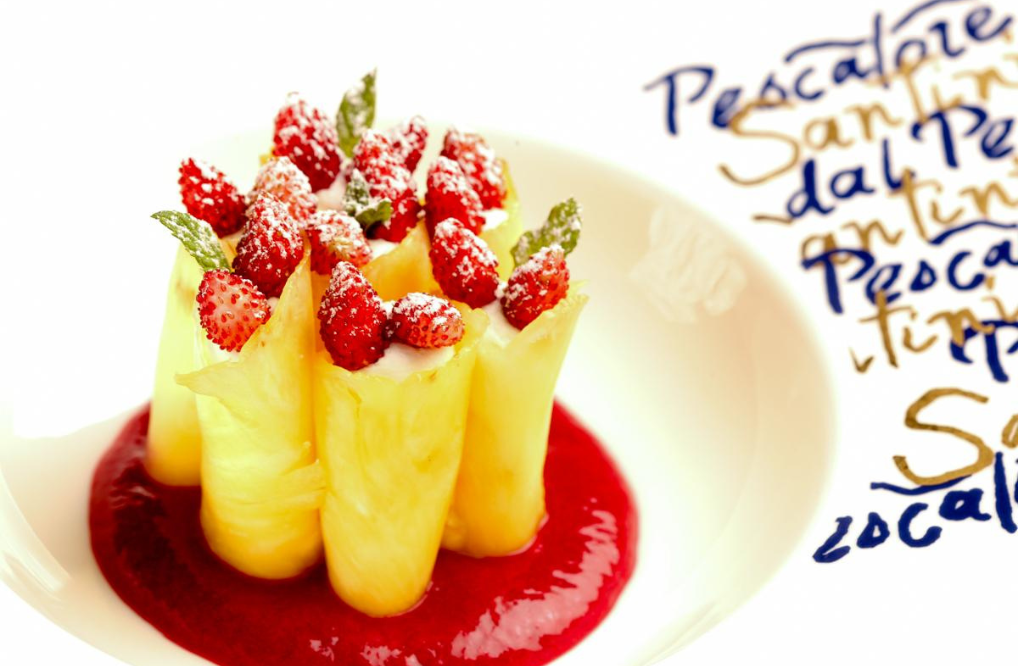
Text Redaktion Photos gastrofilm, Magdalena Staurino, Sara Santos, Dal Pescatore Santini, Anne Emmanuelle Thio, groupePIC
In the current issue of THE FRANKFURTER, we look at a culinary revolution: leading female chefs from around the world are setting standards in an industry in which women are still clearly under-represented. With taste, conviction and unmistakable style, they are shaping the future of fine dining – and showing that excellence is not a question of gender. Our online article explores how hard the road to this point has been and why the rise of these chefs marks a significant turning point for the entire industry.
From invisible to unmissable: the paradigm shift in haute cuisine
That female chefs today top international gourmet lists, hold Michelin stars and are celebrated worldwide is by no means a given. The history of haute cuisine is almost entirely a history of male dominance – visible on front covers, in competitions, in cookery schools and culinary academies. Women have been part of gastronomy for centuries – but invisible in the decisive positions.
They were already working in…
- canteens
- family businesses
- bistros and trattorias
- bakeries and simple kitchens
They were missing from…
- top restaurants
- international competitions
- elite cookery schools
- leadership positions with creative and decision-making authority
All the more remarkable is the change we have only been observing for around 20 years – and which has accelerated rapidly over the past five.
Why women were barely visible for so long – a look back
1. The myth of the “tough professional kitchen”
Until well into the 2000s, fine dining resembled a military camp: shifts late into the night, a military tone, physical strain. These structures systematically excluded women – not for lack of competence, but because of an environment that defined “toughness” and “authority” as male virtues.
2. Kitchens as rigid hierarchies
The classic brigade kitchen according to Escoffier was:
- strictly hierarchical
- run in an authoritarian way
- hardly open to change
Women were rarely given the chance to grow into these structures – let alone lead them.
3. A lack of role models
The few female pioneers – such as Eugénie Brazier or Marie Bourgeois – remained marginal historical figures. Without female role models, haute cuisine long seemed like a “closed club”.
4. Structural hurdles
- little scope for combining career & family
- male-dominated networks
- difficult access to elite training
- traditional gender roles: “cooking at home = woman, cooking professionally = man”
Women could have shaped haute cuisine long ago – but they were simply not let in.
What brought the turnaround – and why so much is possible now
1. Globalisation & new culinary realities
Haute cuisine became more international, more creative, more scientific. New concepts opened up space for new voices:
- more experimental
- more aesthetic
- more diverse
- more interdisciplinary
2. Mentoring & networks for women
Since the 2010s, programmes, funds and awards have emerged that – despite criticism – create genuine visibility for the first time.
3. Modern leadership instead of kitchen warfare
More and more top restaurants are moving away from authoritarian structures.
They are establishing:
- diverse teams
- work–life balance models
- creative freedom
- a respectful leadership culture
This new atmosphere enables women not only to arrive – but to shine.
4. Media & social storytelling
Today female chefs use social media, documentaries and podcasts to:
- tell their stories
- make their culinary philosophy visible
- build their own communities
Media power no longer lies exclusively with the classic arts pages – and that changes everything.
Success today: why it matters so much
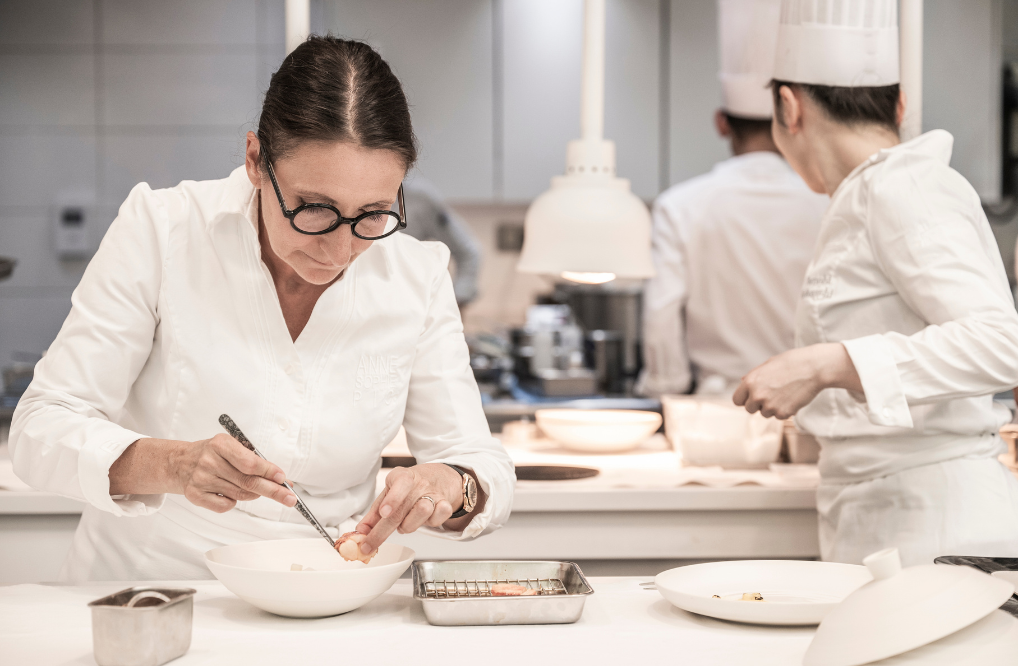
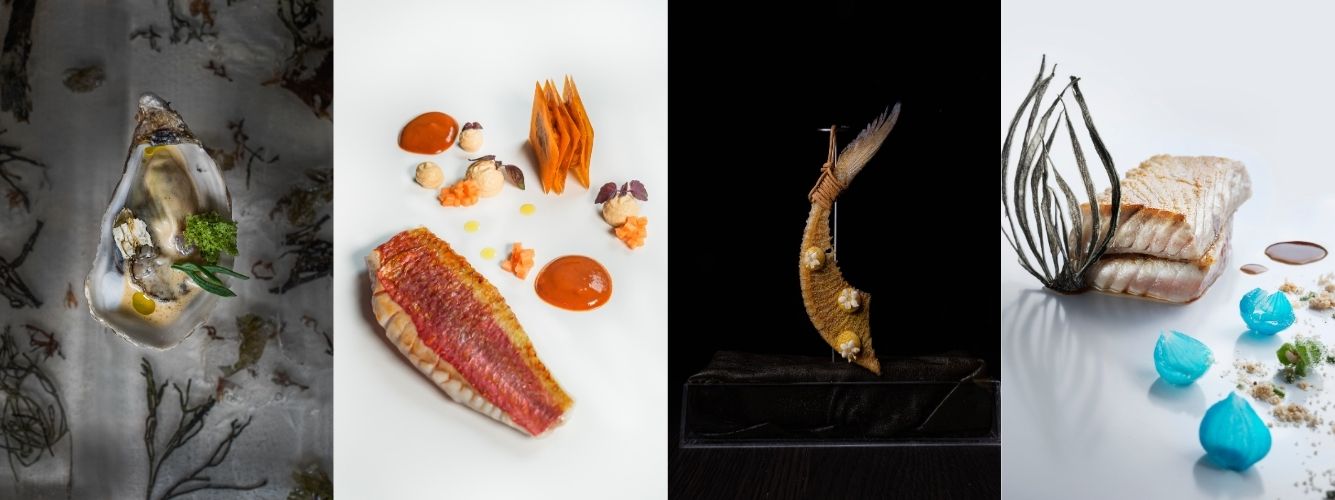
When women such as Elena Arzak, Anne-Sophie Pic, Nadia Santini or Chef Pam are awarded stars, the impact reaches far beyond cuisine.
They redefine:
- how we understand indulgence
- how haute cuisine is run
- which traditions are preserved or renewed
- who is allowed to be visible today
- which voices shape the industry
Their success is not only individual – it is culturally, structurally and socially relevant.
The new strength: what top female chefs do differently in the kitchen
1. Precise flavours instead of loud effects
Balance, subtlety, textures – rather than pure staging.
2. Identity & origin as a creative source
The personal becomes a culinary statement.
3. Sustainability as a fundamental attitude
Product ethics, local sourcing, a mindful use of resources.
4. Empathetic leadership
Teams work more creatively, with more motivation and for longer.
5. Culinary storytelling
Cuisine becomes a form of narrative – about origin, culture and memory.
Looking ahead – a generation on the starting blocks
For the first time, young talent worldwide can see: women run Michelin-starred restaurants. Women feature in rankings. Women shape the industry. This visibility gives people courage – and opens doors for the next generation. In our current print issue at www.the-frankfurter.com we introduce some of these exceptional chefs, whose talent, conviction and style have made a lasting impression not only on gastronomy, but on us too.
Discover more



GET IN TOUCH