
Art
Deutsches Ledermuseum Offenbach: a museum reinvents itself
Text Redaktion Photos Nikita Kulikov
In the current issue of THE FRANKFURTER, we talk to Dr Inez Florschütz, director of the Deutsches Ledermuseum in Offenbach, about transformation, the courage to change and an institution in a constant state of new beginnings. What surprises many visitors: although the full-scale refurbishment is still to come, the museum has already changed fundamentally. Here we explore why this is so – and why precisely this change exemplifies a global museum trend.
From archive to experience: the transformation of museums
Museums worldwide face a crucial question: how do they stay relevant? Away from static exhibitions, towards living spaces of experience – visitors today expect more than mere viewing. They want to interact, feel and understand.
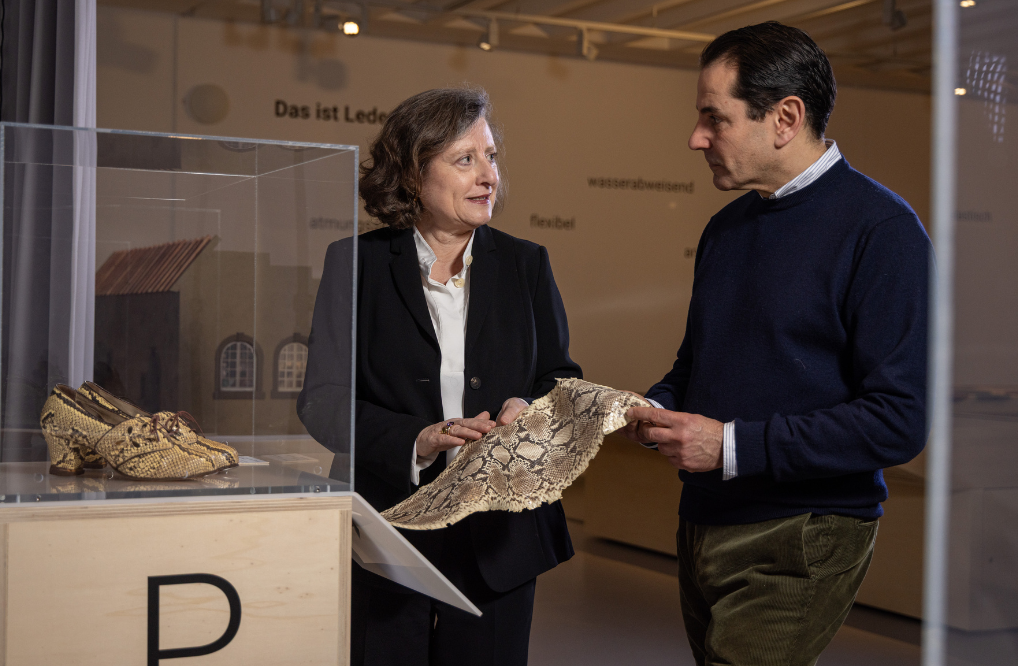
This is exactly where the Deutsches Ledermuseum Offenbach comes in. Instead of classic display cases and overcrowded rooms, stories, contexts and sensory experiences take centre stage. Particularly innovative is an exhibition area in which materials can not only be looked at but actually touched – an approach that follows the concept of the so-called immersive museum. Institutions such as MoMA in New York and the V&A in London have already shown how strongly multisensory experiences can change the perception of art and design.
Materiality as the key to the present
What at first glance seems like a niche subject – leather – turns out on closer inspection to be highly topical. For it is not just about fashion or craftsmanship, but about fundamental questions of our time: how are materials created? How sustainable are they? What cultural significance do they carry?
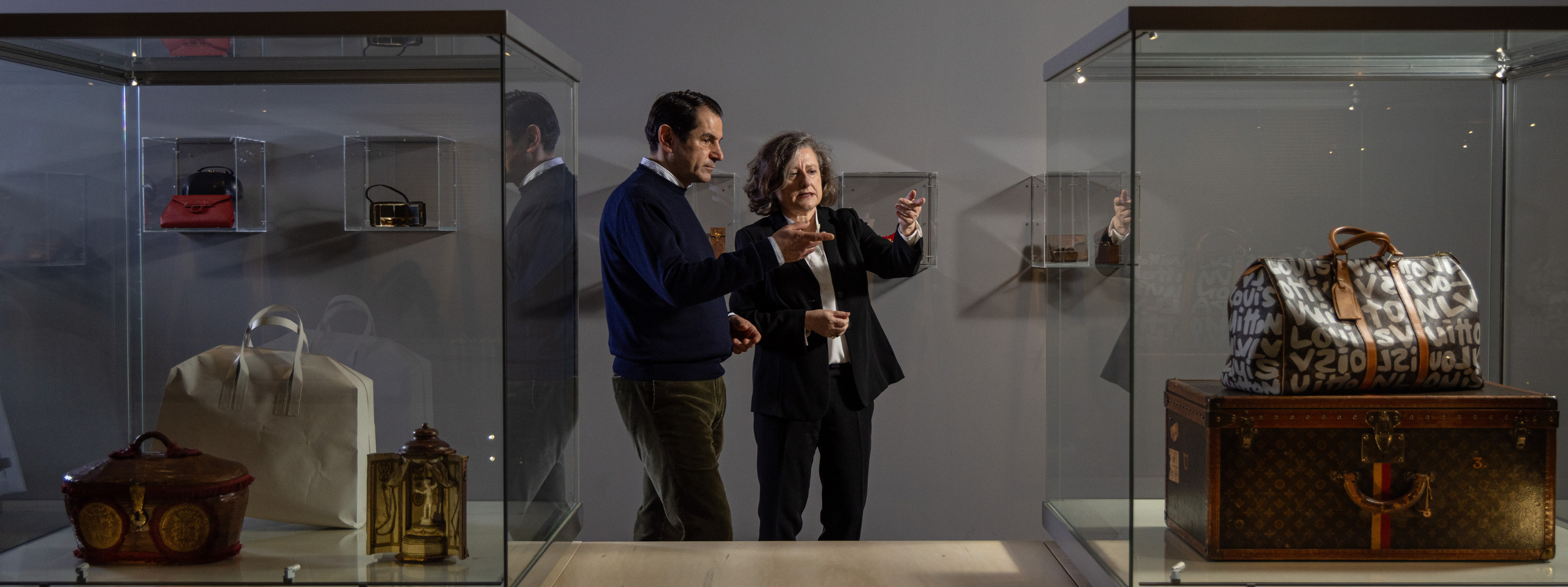
The Deutsches Ledermuseum uses its collection of more than 30,000 objects to ask precisely these questions – linking historical exhibits with current discourses on sustainability, provenance and consumption. The past thus becomes a mirror of the present. An approach that could hardly be more relevant to the current debate on sustainable materials and conscious consumption.
New audiences through new formats
Another success factor of the Offenbach museum is its resolute embrace of new formats. With film series on design legends such as Martin Margiela and Alexander McQueen, the museum specifically addresses an audience that classic museums often fail to reach – young, international, culturally engaged.
This strategy has long been more than an experiment. Cultural institutions are becoming hybrid places where exhibition, event, film and discourse come together. For a younger, urban audience, this is exactly what matters – and the Deutsches Ledermuseum is leading the way.
Closure as an opportunity: the major refurbishment is coming
2026 marks a turning point: the museum will close for a comprehensive refurbishment. But rather than standstill, this means one thing above all – transformation.
The exhibition “Am Wendepunkt” (At the Turning Point) not only reflects on the museum’s history but also critically questions it. Topics such as the provenance of objects and colonial contexts are deliberately made visible. This open approach to its own history is part of a global trend: museums are becoming more transparent, more self-critical and more dialogue-oriented – and are gaining credibility and social relevance as a result.
The future: open spaces, open concepts
The planned refurbishment shows where things are heading. More transparency, more openness, more opportunities to meet. Inviting architecture, public spaces and a café as a social meeting place are intended to make the museum a place that goes far beyond classic exhibition concepts.
Particularly exciting: a pop-up concept is planned for the closure period – a mobile museum that will continue the dialogue with the city of Offenbach. This, too, is a sign of the times: culture no longer takes place only inside the building, but wherever people come together.
Why this change matters now
The Deutsches Ledermuseum Offenbach exemplifies a new generation of museums: experimental, socially relevant and open to change. Especially at a time when cities and cultural identities are redefining themselves, such places play a decisive role.
They are not only guardians of the past – they actively help shape the future. And they show that culture is at its most vibrant when it questions itself.
Conclusion: a museum that understands the zeitgeist
What is currently taking shape in Offenbach is more than a renovation. It is a new beginning with a clear stance – and proof that the most exciting cultural venues are not always found in the big metropolises.
You can read the full story – with personal insights from Dr Inez Florschütz, background on the exhibition “Am Wendepunkt” and exclusive details on the refurbishment – in the current print issue of THE FRANKFURTER: Click here!
Discover more



GET IN TOUCH